What is the best month to go to Punta Cana? The best time to visit Punta Cana is between February and April. These months deliver the lowest rainfall, average temperatures around 82°F (28°C), and the calmest ocean conditions for swimming and boat tours. June through November marks the official Atlantic hurricane season, bringing higher humidity and brief afternoon tropical showers.
Planning a trip to the Dominican Republic means dealing with tropical realities. You aren’t just looking at a thermometer app on your phone. You have to track trade winds, monitor sargassum seaweed forecasts, and figure out if an afternoon rain shower will cancel your sunset cruise.
Our crew at Boat Trips Punta Cana spends over 300 days a year on the water. We know these local weather patterns intimately. The best time to visit Punta Cana depends entirely on your tolerance for humidity and what you actually want to do out on the water. Let’s break down the actual 2026 climate data, completely free of the usual travel brochure sugarcoating.
Understanding Punta Cana’s Tropical Climate
The Dominican Republic features a complex microclimate. We sit right on the edge where the rough Atlantic Ocean collides with the calm Caribbean Sea. This geographical position dictates everything from wave height to the humidity sticking to your skin when you step off the plane.
The Dry Season (December to April)
Think low humidity, crisp mornings, and oceans flat as glass. The trade winds blow steadily from the east during these months. This breeze keeps the coastal heat completely manageable. When you book private boat tours during this window, you rarely have to worry about choppy offshore conditions.
The convergence zone between the Atlantic and Caribbean stays incredibly peaceful. Because the weather is so reliable, this is peak tourist season. You will definitely want a solid Punta Cana travel guide to navigate the resort crowds and book excursions before they sell out. The UV index remains high, even when that cold north breeze makes it feel cooler than it actually is.
The Rainy Season & Hurricane Vulnerability (May to November)
Tropical rain rarely ruins a vacation. It usually hits fast and hard in the mid-afternoon. The sky bruises purple, it dumps heavy rain for twenty minutes, and then the sun blasts right back out, turning the pavement to steam.
We track the National Hurricane Center daily from June 1st onward. Direct hurricane hits are statistically rare. The island’s geography, specifically the towering Cordillera Central mountain range inland, often shears apart incoming storm systems before they make landfall.
However, the humidity absolutely spikes. Ocean swells kick up, especially out in the deeper water trenches. If you want to dive into the best places to snorkel in Punta Cana, mornings are absolutely critical during these months before the afternoon thermal winds build up the chop.
2026 Punta Cana Weather & Sea Condition Matrix
| Month | Avg. Air Temp (°F/°C) | Avg. Sea Temp (°F/°C) | Rain Days | UV Index | Boating Conditions |
| January | 81° / 27° | 79° / 26° | 7 | 8 (Very High) | Excellent, crisp breeze |
| February | 82° / 28° | 79° / 26° | 5 | 9 (Very High) | Pristine, flat seas |
| March | 83° / 28° | 80° / 27° | 5 | 10 (Extreme) | Ideal, crystal clarity |
| April | 84° / 29° | 81° / 27° | 6 | 11 (Extreme) | Warm, very calm |
| May | 86° / 30° | 82° / 28° | 10 | 11 (Extreme) | Good, occasional chop |
| June | 88° / 31° | 83° / 28° | 11 | 11 (Extreme) | Fair, afternoon swells |
| July | 88° / 31° | 83° / 28° | 12 | 11 (Extreme) | Fair, sudden squalls |
| August | 89° / 32° | 84° / 29° | 12 | 11 (Extreme) | Flat mornings, hot |
| September | 89° / 32° | 84° / 29° | 13 | 10 (Extreme) | Variable, watch storms |
| October | 88° / 31° | 83° / 28° | 12 | 9 (Very High) | Improving, humid |
| November | 85° / 29° | 82° / 28° | 10 | 8 (Very High) | Good, cooling winds |
| December | 82° / 28° | 80° / 27° | 8 | 7 (High) | Excellent, refreshing |
Month-by-Month Punta Cana Weather Guide
January to April: Peak Sun & Calm Seas
January: The year kicks off with phenomenal conditions. The Punta Cana weather in January brings cool, comfortable evenings dipping into the low 70s. You might even want a light long-sleeve shirt if you eat dinner outdoors. Ocean temperatures sit around 79°F. It’s the perfect time to explore things to do in Punta Cana without sweating through your shirt by 10 AM.
February: This is arguably the finest weather month on the island. The Punta Cana weather in February boasts minimal rain and crystal-clear skies. We see the absolute best water visibility of the year right now. If you bring the family, figuring out things to do in Punta Cana with kids is incredibly easy because the ocean acts like a giant, calm swimming pool.
March: Things start warming up slightly, but the Punta Cana weather in March remains incredibly stable. Trade winds keep the coast breezy and comfortable. This is prime season for a private catamaran Punta Cana Bavaro charter. The water temperature creeps up past 80°F, making long snorkeling sessions over the offshore reefs incredibly comfortable.
April: The final month of the true dry season. The Punta Cana weather in April hits a beautiful sweet spot. It’s hot enough to make an icy Presidente beer taste perfect, but the intense, suffocating summer humidity hasn’t arrived yet. We highly recommend booking a private catamaran sunset cruise this month. The cloud coverage is minimal, offering spectacular, unobstructed evening horizons.
May to August: Warming Waters & Summer Showers
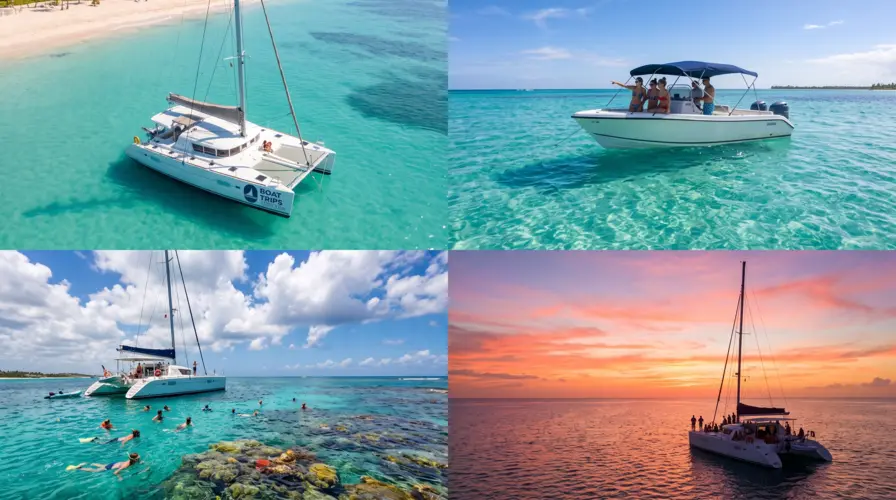
May: The seasonal transition begins. The Punta Cana weather in May introduces more frequent, brief afternoon showers. The sea temperature takes a noticeable jump upward. It’s a fantastic time for water sports. If you are deciding on the best area to stay in Punta Cana, look for resorts slightly further south toward Cap Cana for slightly calmer wind conditions.
June: Summer heat officially drops in. Expect high 80s and intense, skin-burning UV rays. The Punta Cana weather in June demands serious sun protection. Water temperatures hit 82°F. It feels exactly like bathwater. Early morning excursions are your best bet to beat the midday swelter.
July: We are in deep summer now. The Punta Cana weather in July is hot, intensely humid, and punctuated by rapid tropical downpours. Don’t panic when the sky goes black at 2 PM. Wait thirty minutes. It will pass. For those booking shared catamaran tours, the shaded areas on the boat deck will become your best friend.
August: Statistically, this is the hottest month of the year. The Punta Cana weather in August pushes the heat index well into the 90s. The ocean is completely flat and glassy most mornings, offering incredible conditions for deep sea fishing excursions before the afternoon thermals kick in. You will sweat heavily. Constant hydration is no longer optional.
September to December: Navigating the Storms & Winter Escapes
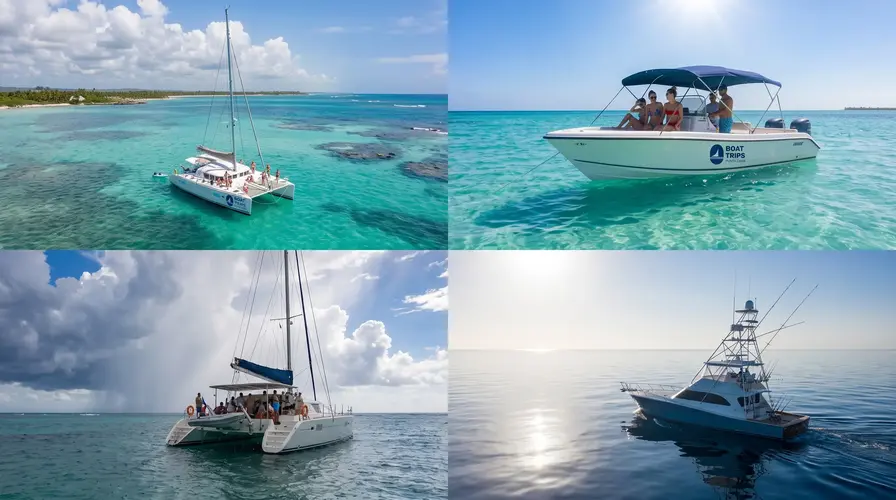
September: This is peak Atlantic hurricane season. The Punta Cana weather in September can be highly unpredictable. You might get ten days of dead-calm, blistering heat, or you might get three days of heavy squalls from a passing offshore system. Travel insurance is highly recommended right now.
October: The heavy humidity slowly begins to break. The Punta Cana weather in October still carries storm risks early in the month. However, by Halloween, you can feel the trade winds shifting direction. The evenings finally start to cool down again, making outdoor dining pleasant.
November: The true turning point of the climate calendar. The Punta Cana weather in November sheds the oppressive summer humidity. Rain showers become far less frequent. The ocean stays incredibly warm from all the summer heating. This is a brilliant, slightly cheaper time to visit before the massive holiday rush begins.
December: High season aggressively returns. The Punta Cana weather in December delivers those perfect, magazine-cover days. You get crisp blue skies, manageable heat, and calm seas. If you want to lock in a private Saona Island catamaran charter for the holidays, you must book months in advance. The weather is flawless, and the demand is massive.
How Weather Impacts Boat Tours & Catamaran Cruises
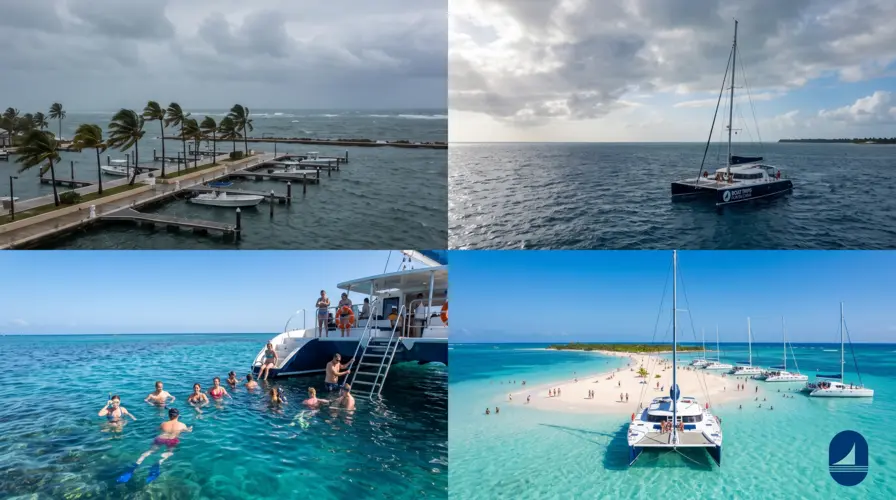
Booking a boat isn’t just about sunny skies above you. Wind direction dictates absolutely everything on the water. The eastern tip of the Dominican Republic catches the Atlantic trade winds dead-on. When those winds blow hard from the northeast, the ocean swells build rapidly. A perfectly sunny day can still mean rough, uncomfortable seas if an offshore system is pushing water our way.
Our captains constantly monitor the NOAA sea temperature datasets and local wave buoy reports. Safety and comfort are the only metrics that matter. If the Atlantic side near Bavaro Beach gets too choppy, we have to adjust. That is the true beauty of this specific coastline. You can almost always find a leeward (protected) area to drop anchor.
Best Weather for Saona Island Boat Tours
Saona Island sits entirely on the Caribbean Sea side. This is a crucial geographical distinction. The Caribbean is inherently calmer than the wild Atlantic. Even when the wind is howling and tearing up the surf in Bavaro, the waters down near Bayahibe remain totally protected.
During the winter months, a brisk northerly wind will make the Atlantic rough, but it flattens the Caribbean side completely. That makes a Saona trip ideal during cold fronts. You get maximum sun exposure, glassy water at the famous natural sandbar pool, and smooth sailing all the way back to the mainland marina.
Punta Cana Sea Temperatures & Swimming Year-Round
You can swim here 365 days a year. The water never requires a wetsuit. During the “coldest” months of January and February, the sea surface temperature rarely drops below 79°F (26°C). By late August, it climbs to a balmy 84°F (29°C).
Clarity, however, changes drastically with the weather. Heavy rainfall causes inland river runoff. This runoff pulls sediment into the ocean, which can temporarily reduce visibility on the coastal reefs. If you want 100-foot visibility for serious diving or snorkeling, the dry season (February to April) is your best, most reliable window.
The Sargassum Seaweed Factor
We cannot talk about the ocean without mentioning sargassum. This floating brown seaweed washes up on Caribbean beaches, usually peaking between May and August as ocean temperatures rise. The Atlantic currents push it directly onto the eastern-facing beaches of Punta Cana. If seaweed is heavy on the resort beaches, getting out on a boat is the ultimate escape. Once we clear the shoreline and hit the reefs, the water is crystal clear and completely free of sargassum.
Expert Tips: What to Pack for Punta Cana Weather
Do not overpack. The vibe here is strictly tropical, casual, and relaxed. Leave the heavy fabrics at home.
- Reef-Safe Sunscreen: The UV index here routinely hits 11 (extreme). Standard chemical sunscreen severely damages the fragile coral reefs. Bring mineral-based, reef-safe options.
- Heavy-Duty Dry Bags: Tropical rain hits fast. If you are out on the water, you need a 5L or 10L waterproof bag to protect your phone, camera, and cash from sudden downpours and salt spray.
- Lightweight Windbreaker: If you book an evening cruise in January or February, the wind cutting across the water gets surprisingly chilly after the sun drops below the horizon.
- Polarized Sunglasses: Standard lenses don’t work well here. Polarized lenses cut the harsh, blinding glare off the Caribbean Sea. You will actually be able to see the starfish and stingrays right from the deck of the catamaran.
- Synthetic Moisture-Wicking Shirts: Cotton traps your sweat. It stays wet for hours in this high humidity. Stick to synthetic blends for any daytime excursions or jungle tours.
Frequently Asked Questions
1. Does it rain a lot in Punta Cana?
Yes, but it is tropical rain. It typically falls in short, intense bursts during the late afternoon, especially from June to November. All-day washouts are incredibly rare unless a major, organized tropical storm is actively passing through the region.
2. Is Punta Cana safe from hurricanes?
No location in the Caribbean is entirely safe from hurricanes. However, Punta Cana rarely takes direct hits. The island’s high central mountain range acts as a massive geographical shield, often ripping apart and weakening storms before they reach the eastern resort coast.
3. What is the hottest month in Punta Cana?
August is consistently the hottest month. While average ambient temperatures sit around 89°F (32°C), the extreme, suffocating humidity pushes the “feels like” heat index well into the upper 90s or low 100s.
4. Can you swim in the ocean year-round in Punta Cana?
Absolutely. The ocean water temperature never drops below 79°F (26°C). The only time swimming is restricted by the authorities is during localized high wind events or passing storm systems that create dangerous, unpredictable rip currents.
5. What happens to boat tours if it rains?
Light rain does not stop the boats. We sail through passing showers safely. However, if there is lightning, severe wind, or small craft advisories issued by the Dominican Navy, all tours are immediately rescheduled or refunded for your safety.