
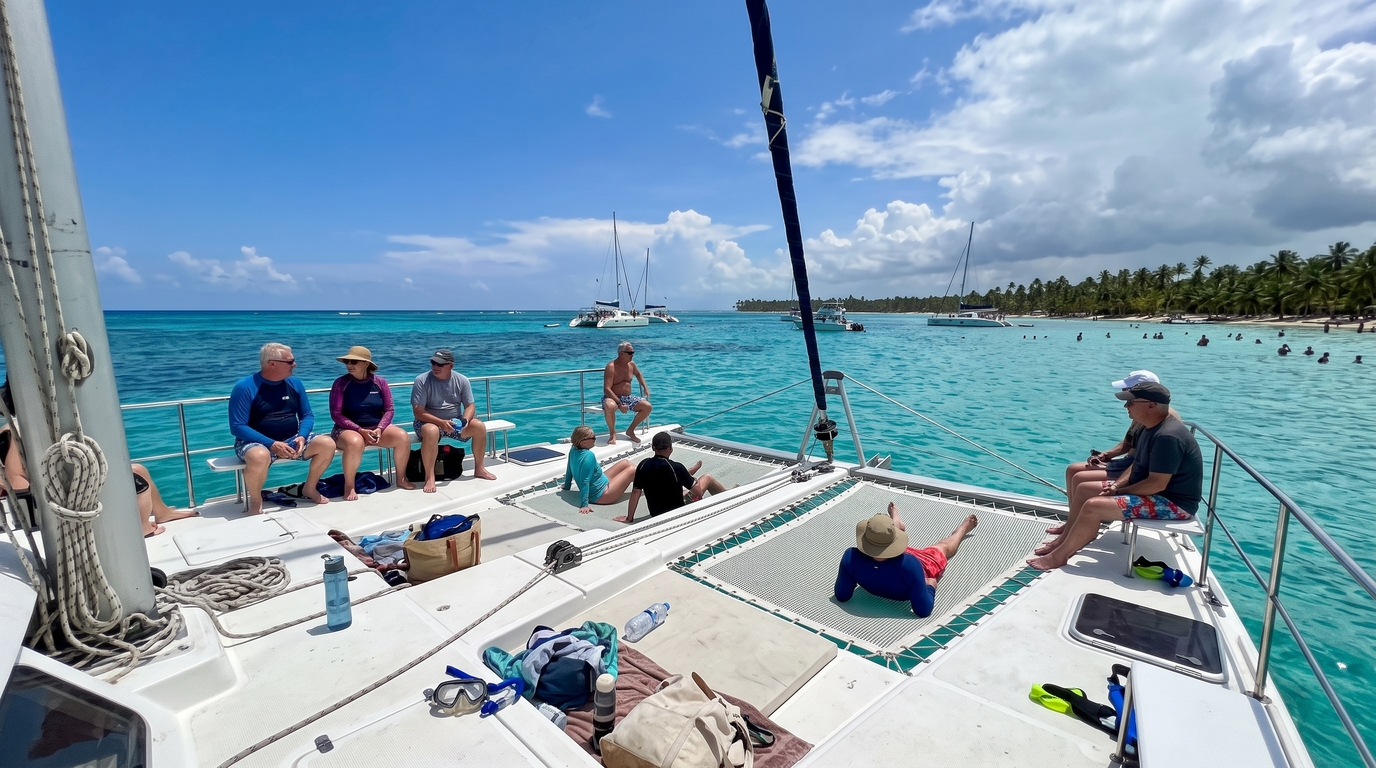
Quick Overview: Punta Cana weather in July brings average daytime highs of 88°F (31°C) and exceptionally warm tropical ocean waters holding steady at 84°F (29°C). While brief afternoon showers are common during this summer month, they pass quickly, leaving clear skies and making July a fantastic month for ocean activities.
If you are planning a mid-summer Caribbean getaway, understanding exactly how the coastal climate behaves will make or break your itinerary. As local boating experts at Boat Trips Punta Cana, we spend every single day on these waters. We know exactly when the trade winds kick in, how to read the afternoon cloud formations, and where the clearest natural pools are located. Our on-the-ground analysis shows that escaping the mainland heat by getting out on the water is the ultimate strategy for a July vacation. Searching for the best Punta Cana things to do outside resort environments? It starts with navigating the summer weather like a local professional. This guide delivers unfiltered, operational data straight from our captains to help you plan the perfect trip.
Punta Cana July Weather at a Glance (2027 Real Data)
July sits firmly in the Caribbean summer. You can expect intense midday sun, high humidity, and very predictable weather cycles. Below is the verified meteorological breakdown for Punta Cana in July to help you set baseline expectations.
| Weather Metric | Average July Measurement | What It Means for Travelers |
| Average High Temp | 88°F (31°C) | Peak daytime heat; best spent on a boat or in the water. |
| Average Low Temp | 77°F (25°C) | Warm, balmy evenings perfect for light clothing. |
| Ocean Temperature | 84°F (29°C) | Bath-water warm; no wetsuits needed anywhere. |
| Monthly Rainfall | ~3.5 inches | Typically falls in short, heavy 20-minute bursts. |
| Daily Sunshine | 11–12 hours | Massive windows of direct sunlight for tanning and tours. |
This specific data makes July ideal for offshore boat excursions. While the interior island bakes in heavy humidity, the immediate coastline and offshore reef systems benefit from constant moving air. Being anchored at a waist-deep natural pool with a cold drink in hand is the single most effective way to beat the 88-degree heat.
July Temperatures & Humidity: What It Actually Feels Like
Reading a temperature gauge does not tell the whole story. The Dominican Republic is a tropical environment, meaning the humidity radically alters the “feels like” temperature.
Daytime Heat vs. Evening Ocean Breezes
By 10:00 AM, the tropical sun is highly intense. If you are walking around downtown or exploring inland, you will sweat immediately. However, the coastal areas operate under different physics. The eastern shoreline of the Dominican Republic catches the Atlantic trade winds. This consistent, rolling breeze acts as a natural air conditioner. When planning things to do in Bavaro, staying close to the shoreline—or better yet, sailing a mile offshore—makes the heat incredibly manageable. By the time the sun dips below the palm trees around 6:30 PM, the extreme heat dissipates, leaving behind warm, comfortable evening breezes that rarely require a jacket.
Humidity Levels & Heat Index
July humidity routinely hovers around 80%. When combined with the high 80s temperature, the actual heat index easily pushes past 95°F (35°C). Managing this requires practical tactics rather than hiding in an air-conditioned hotel room. You need aggressive hydration. Our boat crews mandate drinking water between every cocktail. Sunblock must be reapplied every 90 minutes because you will sweat it off faster than you realize. Most importantly, plan your highest-energy physical activities for the early morning and use the peak heat hours (1:00 PM to 3:00 PM) strictly for submerged water activities.
Rainfall, Tropical Showers & The “Hurricane Season” Myth
July is technically the early stage of the Caribbean hurricane season. Let’s address the reality of that label immediately. Knowing what to expect in Punta Cana requires separating media hype from historical weather patterns. Major storm systems in July are incredibly rare. According to official hurricane season tracking data, the severe, highly developed storms historically occur in late August and September.
Passing Showers vs. Washout Days
Do not look at a standard weather app for Punta Cana in July. Apple Weather or Google Weather will likely show a rain cloud icon for 28 out of 31 days. This panics tourists. The reality is the typical Caribbean summer weather pattern. The morning breaks bright, hot, and cloudless. As the land heats up, moisture evaporates, building a dark cloud system inland. Around 3:00 PM or 4:00 PM, that cloud drops a massive, heavy sheet of rain. It lasts exactly 15 to 25 minutes. Then, the sky breaks open, the sun returns, and the humidity drops. It is almost never an all-day washout. Even if you book a lush waterfall excursion Punta Cana deep in the jungle, the rain is just a brief, refreshing interlude.
What Happens If It Rains on Your Boat Excursion? (Crucial Trust Factor)
This is the biggest concern we hear from clients. What happens to your investment if the sky goes gray? At Boat Trips Punta Cana, safety and client experience dictate every decision. First, our captains use localized maritime radar. We can see a squall from miles away and literally steer the catamaran around isolated rain clouds to keep you in the sun. If a fast-moving shower does hit, our vessels feature covered lounging areas. We serve another round of drinks, turn up the music, and wait the 15 minutes it takes for the storm to blow past. If severe, unsafe marine conditions genuinely arise, we operate with flexible rescheduling to ensure you never lose your money on a washed-out day.
Ocean Conditions, Water Temperature & Underwater Visibility
July provides some of the most stable, inviting marine environments of the entire calendar year. For boating, snorkeling, and swimming, the metrics are outstanding.
Caribbean Sea Temperature (84°F / 29°C)
The water in July is bath-water warm. You can jump off the bow of a yacht at 9:00 AM or 5:00 PM and experience zero initial shock. Wetsuits are absolutely unnecessary. Even if you are booking deep-water scuba diving Punta Cana tours, standard rash guards or simple swimsuits are the only thermal protection you need. This immense warmth means families with small children can stay in the water for hours without anyone shivering.
Wave Swells & Trade Winds for Boating
Summer coastal waters around the eastern tip of the island are generally calm. The massive winter swells driven by northern cold fronts are gone. When reviewing things to do in Cap Cana and the surrounding marinas, you will notice yachts deploying smoothly without fighting heavy chop. This makes July boat trips remarkably stable, dramatically reducing the risk of seasickness and making the experience safe and comfortable for multi-generational families.
Snorkeling & Diving Clarity
Because the wave action is subdued, the sand and sediment on the ocean floor remain undisturbed. This creates excellent underwater visibility. At protected reefs and deeper offshore dive sites, clarity routinely stretches 20 to 30 meters. Whether you are observing parrotfish at the local Cabeza de Toro reef or booking a dedicated Isla Catalina tour known for its vertical wall dives, the July water acts as a crystal-clear lens.

The Sargassum (Seaweed) Situation in July: Why Getting Offshore Is Key
We speak directly about the reality of the coastline. July sits in the middle of the global sargassum season. Depending on the currents, massive blooms of brown seaweed can wash up onto the resort beaches. While luxury resorts run tractors 24/7 to clear the shoreline, nature sometimes wins. You can track this phenomenon through global sargassum tracking maps, which often show heavy accumulations in the summer months.
The pitch is simple: Boat trips are the ultimate solution to the sargassum problem. The seaweed gets trapped against the shoreline. By booking a catamaran or yacht charter, our captains motor you right past the beachside brown water. Just a half-mile off the coast, the water shifts back to stunning, pristine turquoise. You escape the beach seaweed entirely and get to swim in crystal-clear, seaweed-free offshore natural pools and vibrant reef systems.
Morning vs. Afternoon: When Should You Book Excursions?
Choosing your departure time requires aligning your personal vibe with the daily weather cycle. If you are hunting for things to do in Punta Cana for couples, timing is everything for that perfect photo or quiet swim.
Morning Charters (8:30 AM – 1:00 PM)
Morning charters guarantee the absolute calmest, flattest water. The winds have not fully picked up yet. Rain chances between 8:00 AM and noon are practically zero. This is the ultimate window for pristine snorkeling clarity because the overhead sun penetrates straight down into the reef. We highly recommend morning slots for serious snorkelers, families with toddlers, and anyone prone to motion sickness.
Sunset Charters (3:00 PM – 7:30 PM)
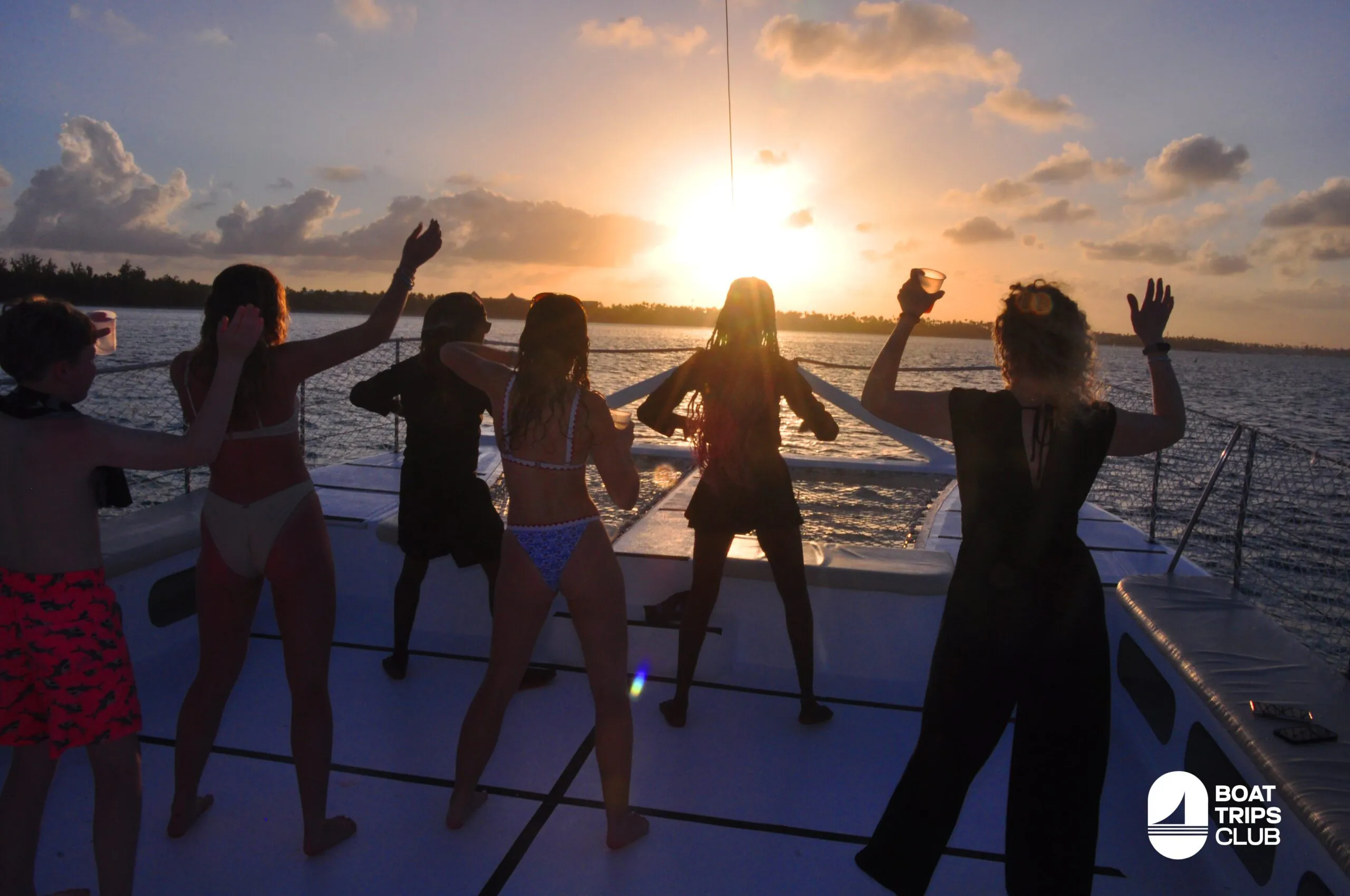
Afternoon charters lean into the Caribbean party atmosphere. The intense midday heat begins to break, replaced by cooler breezes. If that famous 20-minute afternoon shower happens, it usually hits around 3:30 PM and clears out rapidly, leaving behind massive, dramatic cloud formations that catch the failing light for spectacular golden hour photography. Booking a sunset cruise Punta Cana guarantees vibrant skies, loud music, and a cooler, high-energy environment.
What to Pack for Punta Cana in July (Boater’s Checklist)
Packing for peak summer requires cutting out heavy fabrics and focusing on sun mitigation. Reviewing a comprehensive Punta Cana packing list is highly advised, but for days out on the water, you must prioritize these exact items:
- Lightweight, breathable clothing / UV rash guards: Essential for blocking the midday UV index without trapping body heat.
- Reef-safe biodegradable sunscreen (SPF 50+): Standard chemical sunscreens damage the coral reefs. Bring mineral-based, reef-safe options and apply heavily.
- Polarized sunglasses: The glare off the July ocean is intense. Polarization cuts the reflection, allowing you to see the reef from the deck.
- Waterproof phone pouch & dry bag: Protect your electronics from salt spray and those sudden, brief rain showers.
- A light rain poncho (just in case): Takes up zero room in a bag but provides instant coverage during a 15-minute squall.
Best Things to Do in Punta Cana in July Weather
Forget walking tours or inland ATV rides during the 1:00 PM heat. You will simply overheat. The best itineraries keep you firmly anchored to the ocean. Consider renting a jet ski Punta Cana for high-speed coastal exploration, or lock in our top group recommendations below.
Private Catamaran & Party Boat Charters
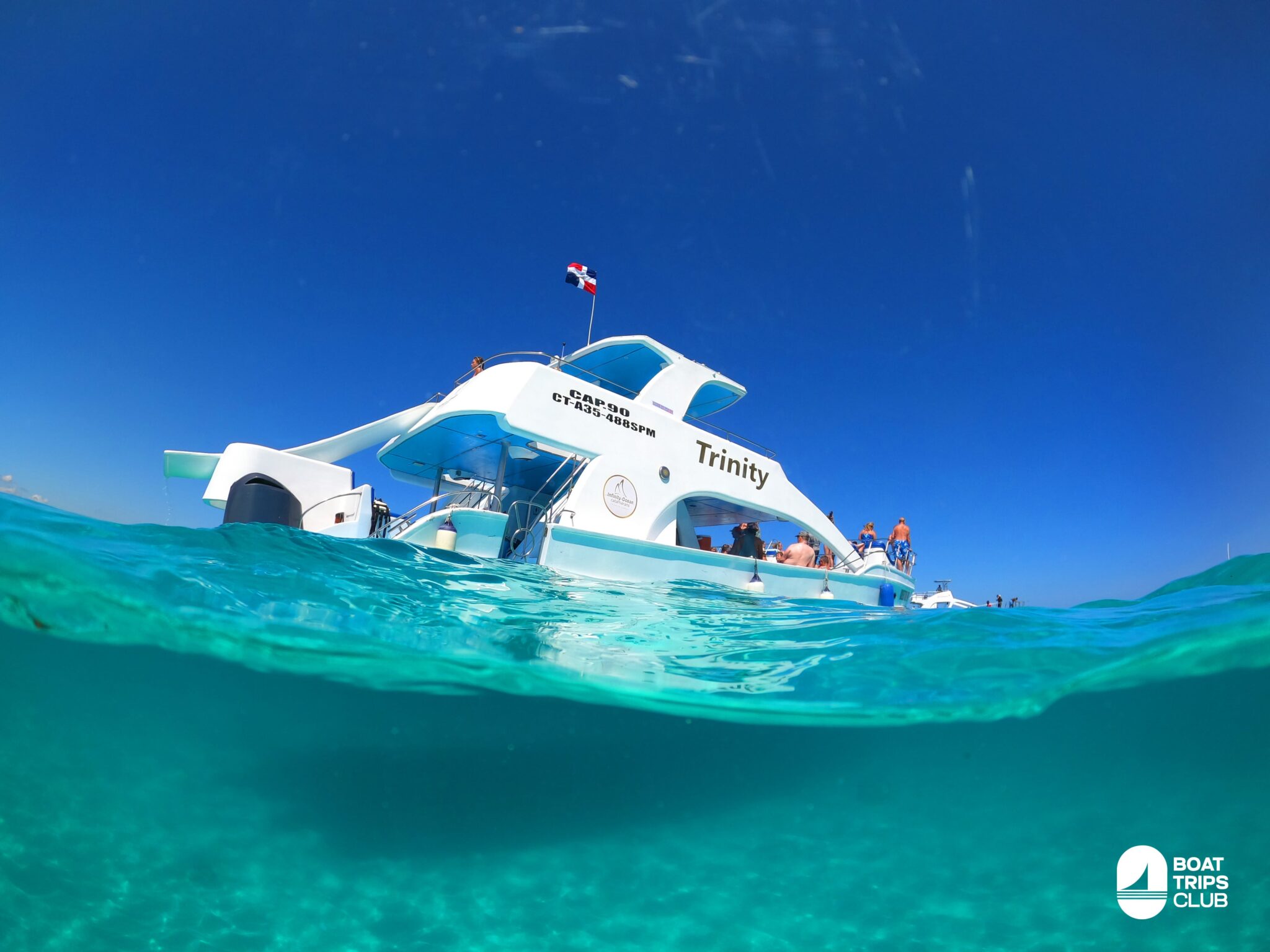
Renting a boat entirely for your group gives you total control over the pace. You dictate the music, the drinks, and how long you stay at the natural pool. A private catamaran party Punta Cana allows you to enjoy the coastal breezes and ice-cold rum under a shaded canopy, completely isolated from crowded resort beaches.
Snorkeling at Cabeza de Toro & Natural Pools
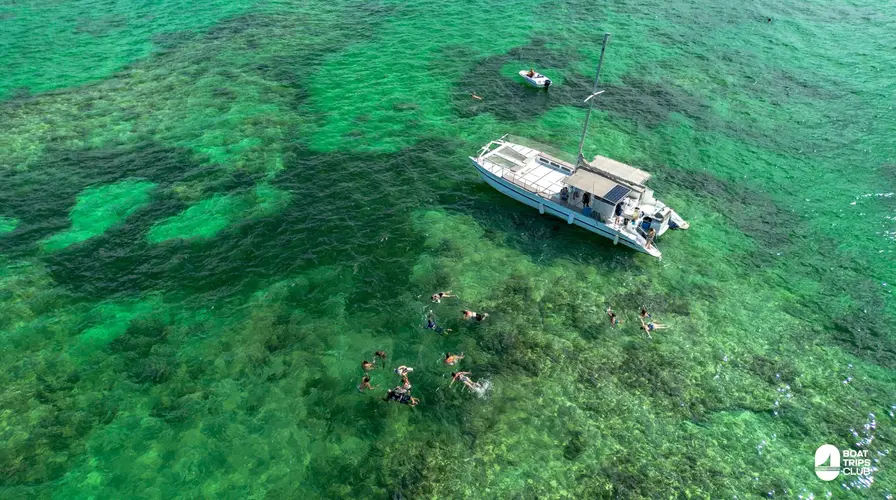
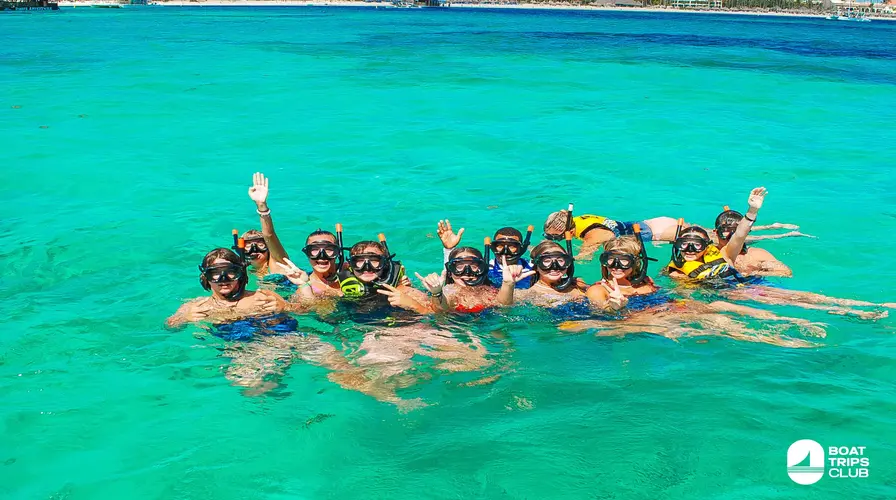
Take advantage of the warm water. The Cabeza de Toro reef system acts as a barrier, keeping the waters inside calm and loaded with marine life. Finding the best places to snorkel in Punta Cana means locating spots where the water is less than 15 feet deep, maximizing the natural light and vibrant colors of the tropical fish.
Saona Island & Catalina Island Day Trips
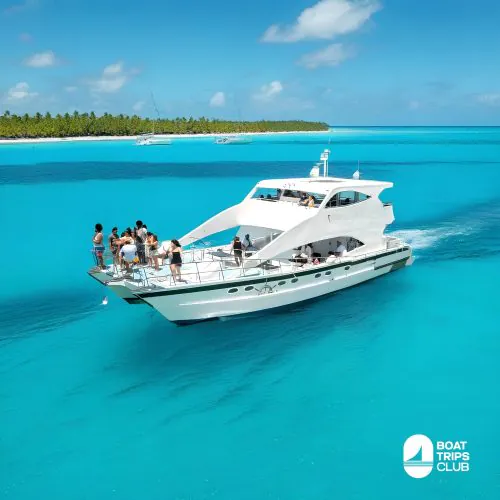
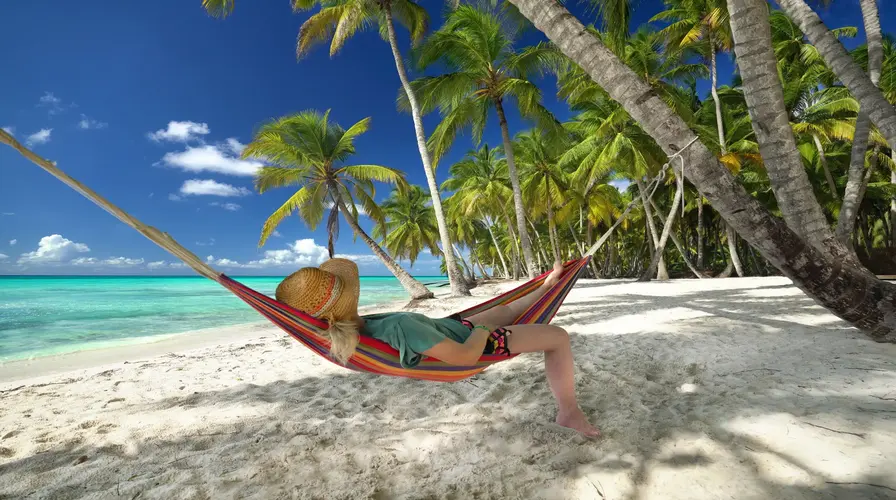
When the mainland humidity spikes, escape to the islands. Saona and Catalina sit off the southern coast in the Caribbean Sea. Securing a catamaran Isla Saona charter takes you out of the humid resort zones and deposits you into remote, pristine waters that look like they were pulled directly from a magazine cover.
Recommended Boat Excursions for July Weather
Our operational fleet is specifically designed to handle summer Caribbean conditions. Here is what we suggest based on real booking data and client feedback.
VIP Private Catamaran Charter
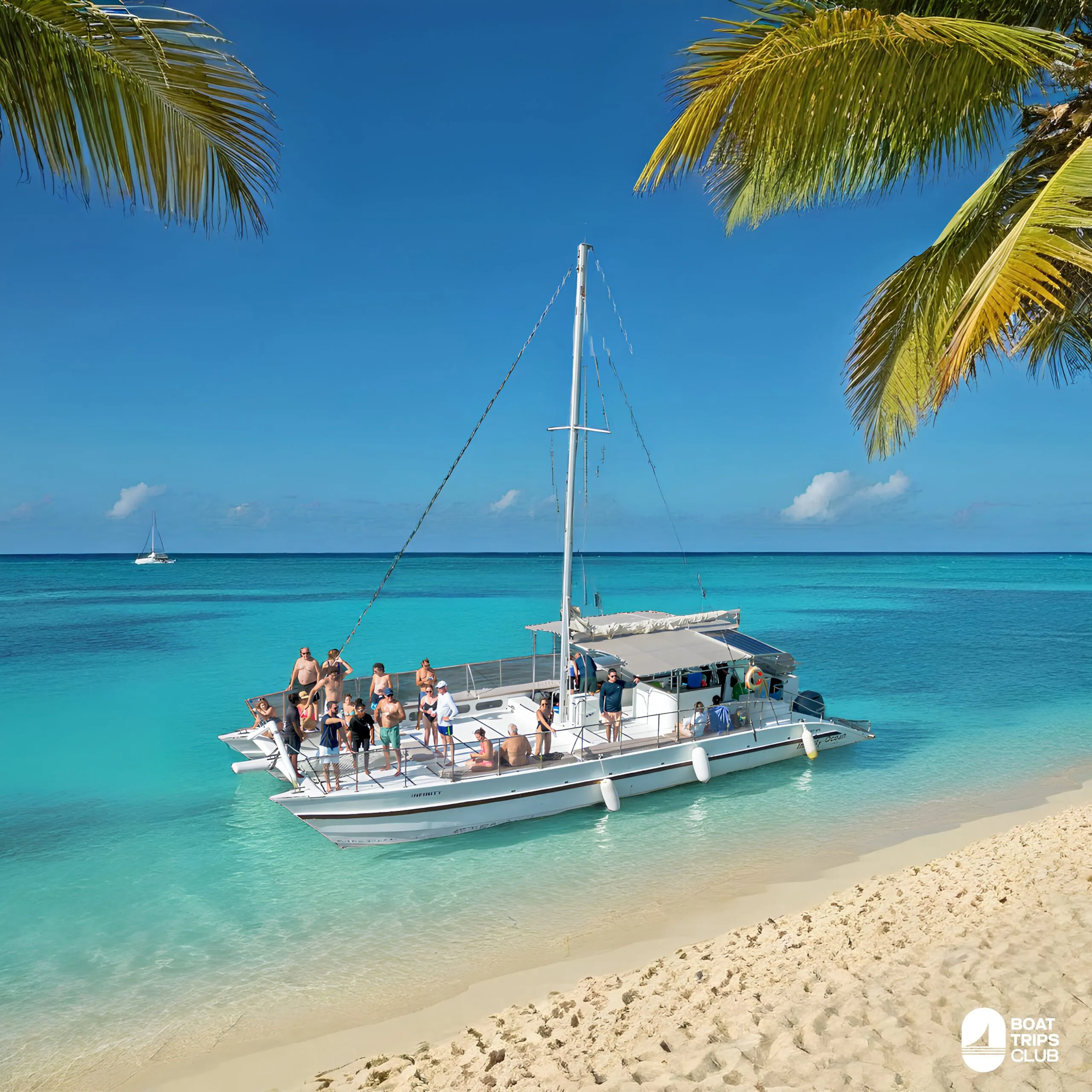
This is our flagship recommendation for families wanting a flexible, weather-proof itinerary away from the crowds. A catamaran Punta Cana Bavaro charter gives you a dedicated crew, top-tier snorkeling gear, and the ability to pivot the schedule. If a rain cloud appears over the reef, the captain simply pushes the throttle and takes you to a sunny natural pool a few miles down the coast.
Saona Island Full-Day Boat Cruise
Consider this the ultimate tropical escape to pristine waters. A Saona Island day trip removes you from the sargassum-prone eastern beaches and takes you to the southern Caribbean side, where the water is famously clear, flat, and warm. It is a full-day commitment that delivers the highest visual return on investment.

Afternoon Sunset Party Boat
For bachelor parties, bachelorettes, or large friend groups looking to enjoy the cooler evening air and vibrant skies, the afternoon sunset route is flawless. The energy shifts from relaxed tanning to high-volume dancing. We anchor waist-deep in the water, deploy the floating bar, and watch the sky cycle through deep purples and reds.
Punta Cana Weather: July vs. June vs. August
Travelers constantly debate the exact week to fly down. Figuring out how to plan a trip to Punta Cana often comes down to splitting hairs between the summer months. Here is the operational breakdown:
- June: Slightly cooler overall temperatures and marginally less humidity. The ocean is warming up rapidly but has not hit peak temperature.
- July: Peak summer heat. You get the absolute warmest water of the year and highly predictable brief afternoon showers.
- August: Similar intense heat to July, but the statistical chance of organized tropical storms or deeper rain systems begins to slightly increase as you approach September.
Frequently Asked Questions
Is July a good month to visit Punta Cana?
Yes, absolutely. While it is hot and humid, the ocean conditions are incredibly warm, and the coastal breezes make the beaches highly enjoyable. It is an excellent time for water sports, sailing, and snorkeling in crystal-clear water.
Does it rain all day in Punta Cana in July?
No. Caribbean summer weather typically features sunny mornings followed by a brief, heavy 15-to-20-minute rain shower in the mid-to-late afternoon. All-day rain washouts are exceedingly rare in July.
Are boat trips safe in Punta Cana during July?
Yes. The coastal waters are generally very calm during the summer. Licensed boat captains use advanced radar to monitor passing squalls, easily steering vessels around isolated rain clouds to ensure a safe, sunny experience.
Is there seaweed (sargassum) in Punta Cana in July?
Yes, July is part of the global sargassum season, and seaweed often washes onto the mainland resort beaches. The best solution is booking an offshore boat charter, which takes you beyond the shoreline into clear, seaweed-free waters.
Is the ocean warm enough for swimming and snorkeling in July?
The ocean temperature averages a remarkably warm 84°F (29°C) in July. It feels like bath water. You do not need a wetsuit, and you can comfortably swim or snorkel for hours.
Is July considered hurricane season in the Dominican Republic?
Technically, yes. The official Atlantic hurricane season runs from June through November. However, major severe storms in July are incredibly rare, as peak hurricane activity historically occurs later in August and September.
What is the best time of day to take a boat tour in July?
Morning charters (8:30 AM) offer the calmest water, best snorkeling visibility, and lowest rain chance. Sunset charters (3:00 PM) offer cooler breezes, party atmospheres, and spectacular photography lighting as the heat breaks.