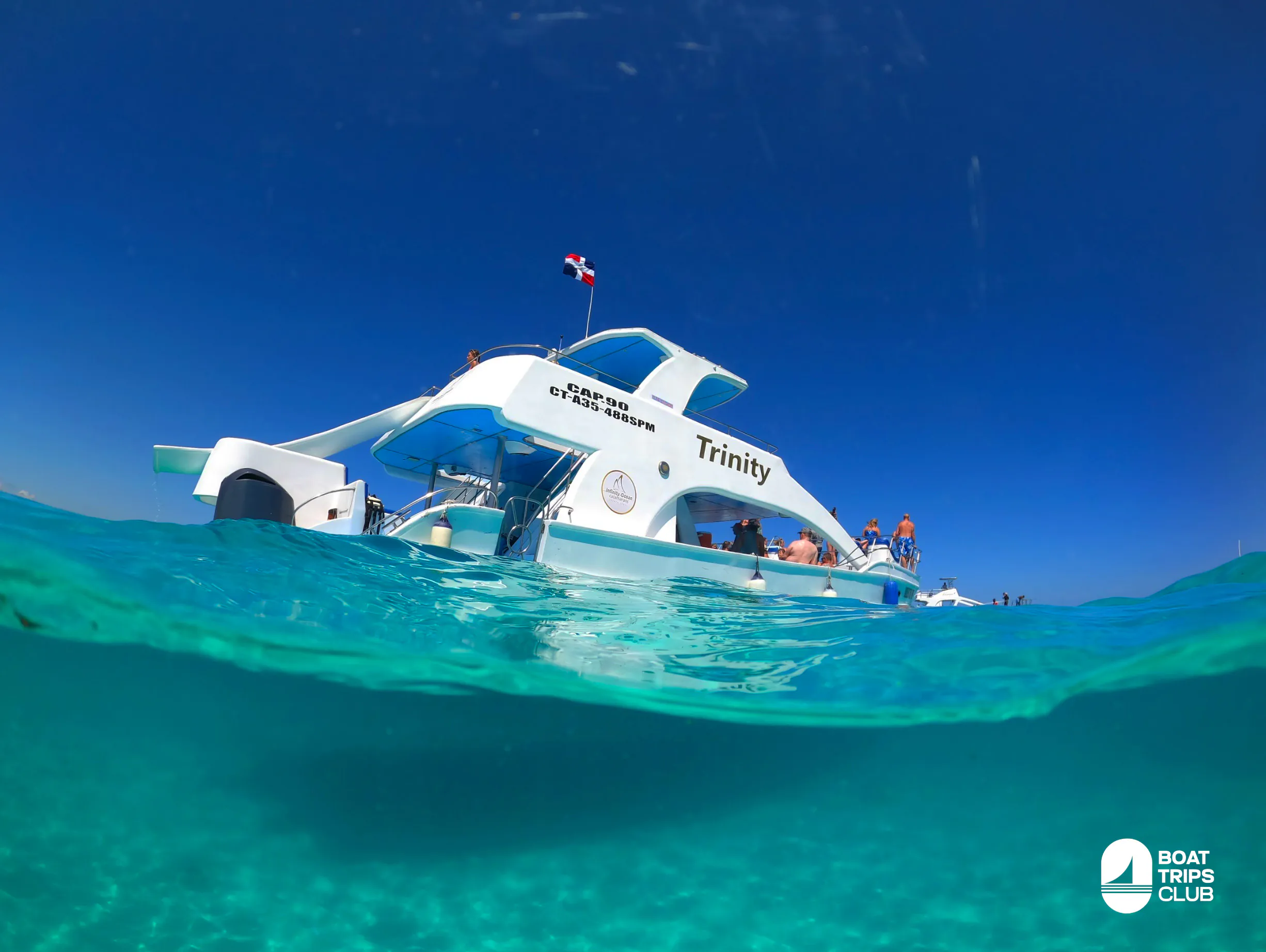
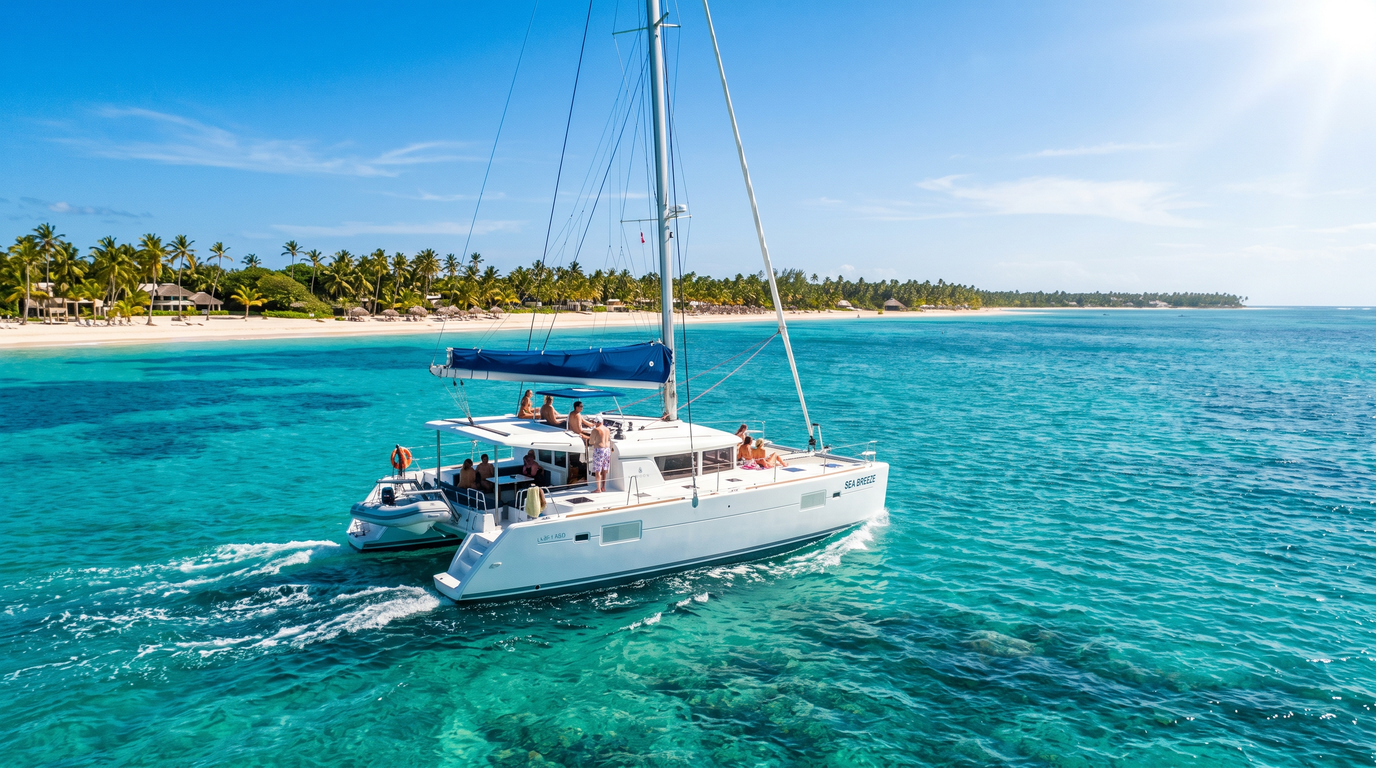
Let’s be completely honest: February is exactly why you book a ticket to the Dominican Republic. When you are trying to escape freezing northern winters, you want the absolute best climate the Caribbean has to offer. You get exactly that right here in February. It is the peak window for perfect tropical weather.
You get the ultimate balance. We are talking about long, sun-drenched days that easily hit the high 80s—warm enough for hours of swimming—matched perfectly by consistent, cooling trade winds. That breeze is the secret ingredient. It completely prevents the air from feeling heavy, sticky, or oppressive.
Whether you are packing your bags for a romantic Valentine’s Day getaway, organizing a wild offshore adventure with your closest friends, or just bringing the kids down for some mid-winter sunshine, the weather during this month rarely disappoints. This guide breaks down exactly what you can expect from the skies, the sea, and the temperature gauge so you can plan the perfect Punta Cana itinerary without second-guessing the forecast.
Quick Summary: February in Punta Cana features peak dry-season weather. Expect average daytime highs of 81°F (27°C), incredibly low humidity, and minimal rainfall. The ocean temperature sits comfortably at a warm 79°F (26°C), making it the absolute ideal month for extended snorkeling sessions, catamaran sailing, and offshore island excursions. Because this month falls entirely outside the Atlantic hurricane season, travel disruptions due to tropical weather are virtually non-existent.
Quick Snapshot: February 2027 Weather in Punta Cana
The raw data tells the real story. Here is the exact meteorological breakdown of what you will experience the moment you step off the plane in the Dominican Republic this February:
- Average High: 81°F (27°C)
- Average Low: 74°F (23°C)
- Monthly Rainfall: ~3.1 inches (80mm) total
- Ocean Temp: 79°F (26°C)
- Wind Speed: Breezy (Trade winds are highly active)
- Average Sunshine: 10+ hours per day
Temperatures & Humidity: What to Expect
February delivers an average daily high of 81°F (27°C). The atmospheric humidity drops significantly during this month, offering a massive relief compared to the heavy, dense air you find during the summer season.
When you book any trip to the Caribbean, humidity dictates your comfort level much more than the actual heat. In July and August, 85 degrees can feel like 100 degrees simply because the moisture in the air makes you sweat instantly. February offers a complete departure from that dynamic. The winter trade winds sweep across the island, keeping the air warm, crisp, and incredibly comfortable.
During the peak daytime hours—usually between 11:00 AM and 3:00 PM—the tropical heat hits its stride. This is the optimal window to lay out on the sand or swim at the best beaches in the Dominican Republic. You get that intense, tanning Caribbean sun you want, without the suffocating moisture that normally drives people back into their air-conditioned hotel rooms. You can actually walk the beaches at noon without feeling completely drained.
As the sun sets, the temperature naturally dips. Evenings in February routinely hover around a highly pleasant 74°F (23°C). The combination of the lower temperature and the steady coastal breeze makes outdoor resort dining and evening walks on the beach incredibly comfortable. You will never need a heavy winter jacket, but you might actually find yourself reaching for a light long-sleeve layer if you spend your nights directly on the coastline having drinks by the water.
Will It Rain During Your Trip? (Precipitation Guide)
February falls squarely in the middle of the Dominican Republic’s dry season. The region averages a mere 3.1 inches of rain across the entire month. You will likely experience clear, blue skies for the vast majority of your vacation.
We see it happen all the time. Travelers monitor their smartphone weather apps frantically the week before their trip. They see a rain icon forecasted for Tuesday, panic, and think their vacation is ruined. Do not let standard weather apps stress you out. In a tropical climate, automated weather stations often report “rain” or “thunderstorms” even if the actual precipitation lasts for only eight minutes in one specific zip code.
When rain does occur in February, it rarely looks like the gloomy, all-day drizzle you might be used to back home. Instead, it typically manifests as a fast-moving, localized tropical shower. A small, dark squall blows in off the ocean, drops a quick burst of rain that instantly cools the atmosphere, and passes within 10 to 15 minutes. Heavy, day-long washouts are incredibly rare during these winter months.
Because these showers are highly localized and brief, they almost never interrupt travel plans. Speaking explicitly from an operational standpoint on the water: these brief showers rarely cause boat tours to be canceled. Captains use local radar to simply navigate around isolated rain clouds. Even if a boat gets caught in a quick shower, the intense Caribbean sun reappears and dries the boat deck almost immediately after the cloud passes.
Sea Conditions: Water Temp, Waves & Sargassum Update
The marine environment in February provides a warm 79°F (26°C) water temperature, active trade winds that create premier sailing conditions, and historically low levels of sargassum seaweed along the beaches.
For anyone planning to spend time in or on the water, the atmospheric weather on land is only half the equation. You need to understand the exact marine conditions you will face once you leave the dock. We track these sea conditions daily. From an operational perspective, February consistently ranks as a premium month for ocean navigation.
- Water Temp: At 79°F (26°C), the ocean is incredibly inviting. It feels refreshing when you first dive in from the hot boat deck, but it remains warm enough to support extended aquatic activity. You can spend hours swimming at the reef or taking a full Isla Catalina tour without your core temperature dropping. You simply won’t feel chilled, even if you stay in the water for an hour straight.
- Wind & Waves: The winter trade winds are highly active in February. For maritime activity, this is actually a massive advantage. These winds fill catamaran sails perfectly, creating smooth, stable, and surprisingly fast sailing conditions without relying heavily on engines. While the winds do keep you cool on deck, they can occasionally kick up slight surface chop if you venture miles offshore. However, near the coastal reefs and protected coves where most tours operate, the water remains calm, flat, and highly navigable.
- Sargassum (Seaweed): Over the last few years, sargassum seaweed washing ashore has become a major concern for Caribbean travelers. Historically, February registers very low sargassum levels compared to the massive blooms you see in late summer. But nature is unpredictable. If you want a foolproof strategy to avoid seaweed entirely, booking private boat charters is your best bet. A boat takes you directly to the offshore natural pools and isolated sandbars—such as those near the pristine Playa Blanca Punta Cana—guaranteeing you swim in crystal-clear, seaweed-free waters far away from any shoreline accumulation.
Best Time of Day for Activities (Morning vs. Afternoon)
Schedule your underwater excursions for the morning to capitalize on high visibility and low winds. Reserve your late afternoons for sunset sailing when the coastal breeze peaks.
How you structure your daily itinerary directly impacts your overall experience. The ocean behaves very differently at 9:00 AM than it does at 4:00 PM.
Mornings
The wind is typically at its lowest point during the early morning hours. This creates a flat, glass-like surface on the water. Because the surface is undisturbed, sand and sediment settle on the ocean floor. The result? Unmatched underwater visibility. If you are looking into things to do in Bavaro, booking a morning snorkeling excursion or a family-friendly coastal cruise ensures the clearest views of the local reef systems and tropical fish. Morning departures are also optimal for longer transits, ensuring a smoother ride out to remote destinations before the afternoon thermals kick in.
Late Afternoons
As the land heats up throughout the day, the thermal difference between the island and the ocean causes the trade winds to accelerate. The water surface becomes slightly more textured, and the breeze acts as natural air conditioning. This creates the absolute perfect climate for energetic group excursions, party boats, and golden-hour cruising. You get the thrill of the wind catching the sails while watching the sky change vibrant colors over the Atlantic.
Sun, UV Protection & What to Pack
Pack lightweight linen or cotton clothing, a light windbreaker for evening excursions, polarized UV sunglasses, and highly-rated reef-safe sunscreen to navigate the intense February UV index safely.
Packing for a winter trip to the tropics requires a bit of strategy. While it might be snowing back home, the Dominican Republic sits geographically close to the equator. The UV index here routinely hits high or extreme levels, even on days with scattered clouds. The sun simply hits differently down here.
Your day bag should always include UV-blocking sunglasses and a wide-brimmed hat. If you are exploring the local towns or looking for free things to do in Punta Cana like walking the extensive coastal stretches, lightweight, breathable fabrics will keep your body temperature regulated. Skip the heavy denim.
Boat-Specific Tip
Marine environments require specific gear. First, reef-safe sunscreen is absolutely mandatory. Standard chemical sunscreens degrade the local coral reefs and severely harm marine life. Bring a mineral-based, biodegradable option and apply it 30 minutes before boarding so it absorbs. Second, while the daytime boat deck is intensely hot, the evening ocean breeze can feel surprisingly brisk once the sun drops below the horizon. Always throw a light windbreaker or a long-sleeve shirt into your dry bag if you are scheduled for an evening sunset cruise. You will be glad you have it when heading back to the marina in the dark.
Top Things to Do in Punta Cana in February
February’s dry, comfortable climate perfectly supports a massive range of outdoor activities, from high-speed canopy ziplining in the jungle to deep-water big game fishing offshore.
You are never short on options when the weather cooperates this well. Land-based adventures thrive in the lower humidity. You can easily spend a full day exploring Bavaro Adventure Park ziplining or jumping into hidden natural cenotes without suffering from heat exhaustion. If you want to explore the wider region, looking into upscale things to do in Cap Cana or checking out the best Punta Cana things to do outside your resort will easily fill your vacation schedule.
However, the main attraction in the Caribbean is always the ocean. The favorable winds, minimal rain, and calm offshore waters make marine activities the undisputed highlight of any itinerary. The water clarity is exceptional right now. This creates prime conditions to book deep sea fishing Punta Cana charters. You get to chase big-game pelagic species like Mahi-Mahi, Wahoo, and Sailfish in comfortable temperatures, making for a world-class sporting experience.
February Special: Peak Whale Watching Season
February is the absolute peak season for the annual North Atlantic humpback whale migration in the Dominican Republic. It offers the highest statistical success rate for natural sightings.
If you are visiting in February, you have the rare opportunity to witness one of the most spectacular marine events on the planet. Every winter, thousands of massive humpback whales travel all the way down from the frigid waters of the North Atlantic. They migrate to mate and birth their calves in the protected, warm waters of Samaná Bay.
According to official tracking data published by the Dominican Republic Ministry of Tourism, February represents the absolute height of this migration. The bay becomes highly active. You can frequently spot adults breaching the surface, tail slapping, and swimming alongside their newborn calves.
This is a true, once-in-a-lifetime experience. Very few destinations in the world offer such reliable, close-up encounters with these marine mammals in their natural breeding grounds. If your travel dates align with this month, booking a specialized whale-watching excursion to Samaná is a non-negotiable addition to your trip.
Recommended Boat Tours for February Weather
The flawless February weather perfectly accommodates specialized marine excursions. You can tailor your boat charter directly to your group’s exact dynamic and energy level.
You already know the weather is going to be excellent. The next step is matching that perfect climate to the right experience. Based on the specific wind patterns, water temperatures, and ocean behavior of the month, here are our top operational recommendations:
For Couples: Valentine’s Day Getaways
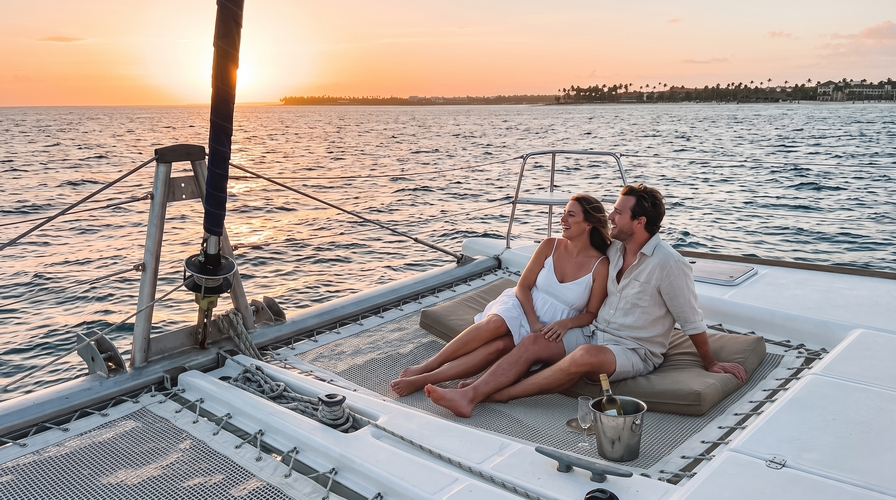
February is completely synonymous with couples traveling for Valentine’s Day. The absolute best way to capitalize on the breezy, comfortable late-afternoon weather is by booking a romantic sunset boat cruise Punta Cana. You get away from the crowded, noisy resort beaches. You sail down the coastline with a private crew, listen to music, and watch the sunset from the deck of a luxury catamaran. If you are actively researching things to do in Punta Cana for couples, a private twilight charter consistently ranks as the highest-rated romantic experience available on the island.
For Families: Snorkeling & Saona Island Daytime Trips
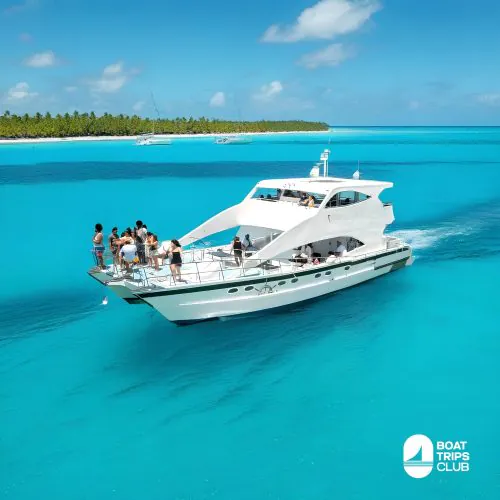
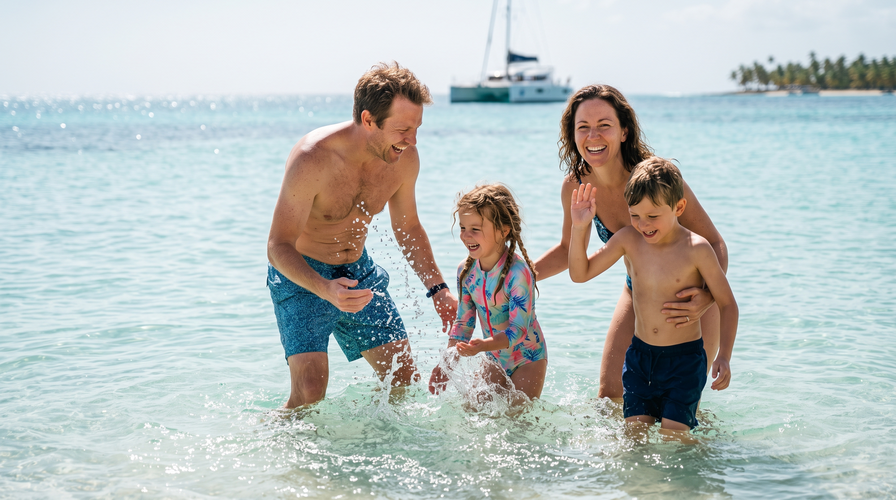
Families traveling with children or older adults benefit most from the calm morning waters and maximum underwater visibility. We highly recommend booking a private Saona Island day trip. You depart early in the morning. This lets you beat the massive tourist crowds out to the island. You drop anchor at the offshore natural pools where the water is only waist-deep, completely crystal clear, and incredibly secure for young swimmers to splash around safely.
For Adventure: Party Boats & Speedboats
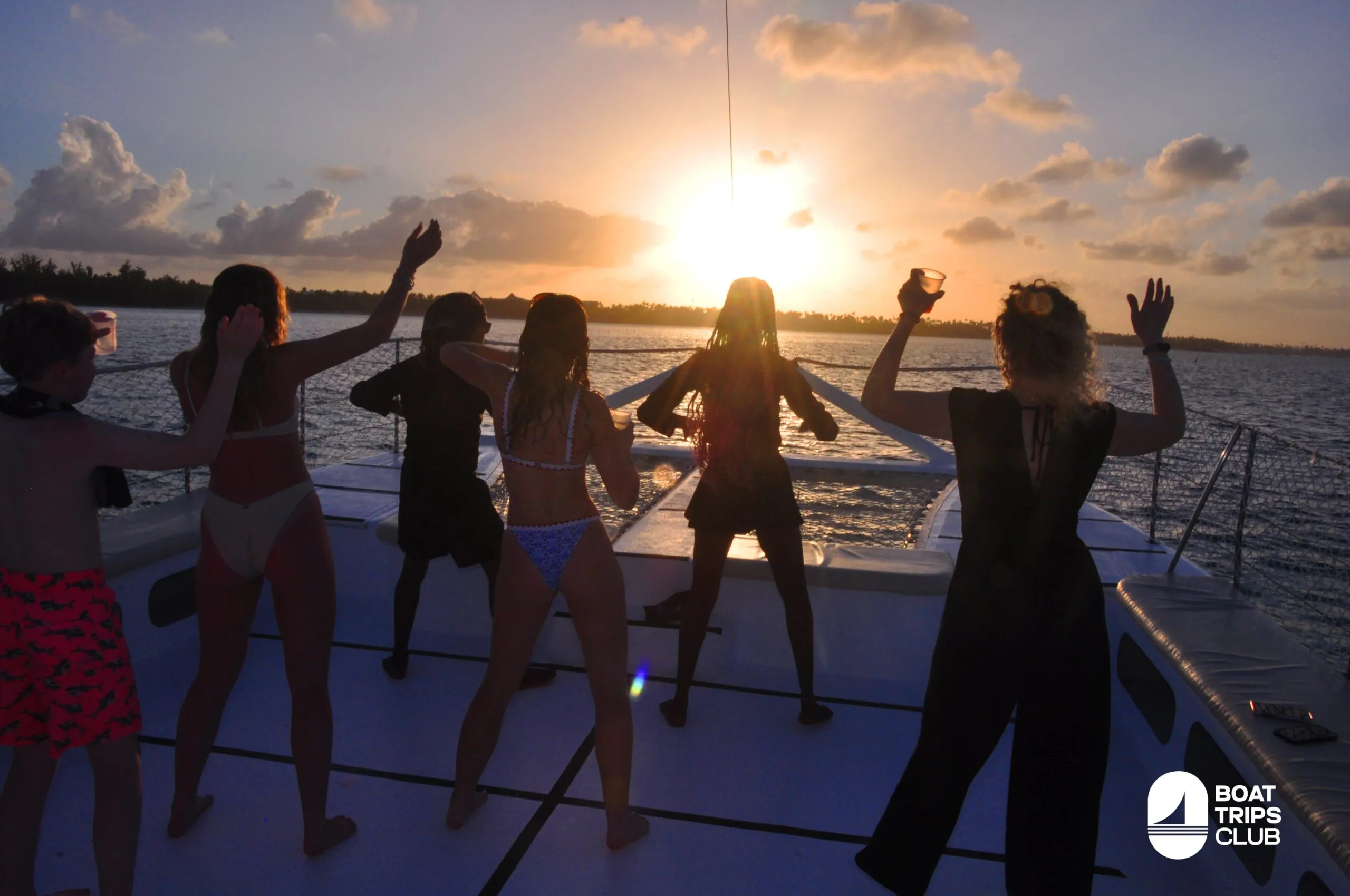
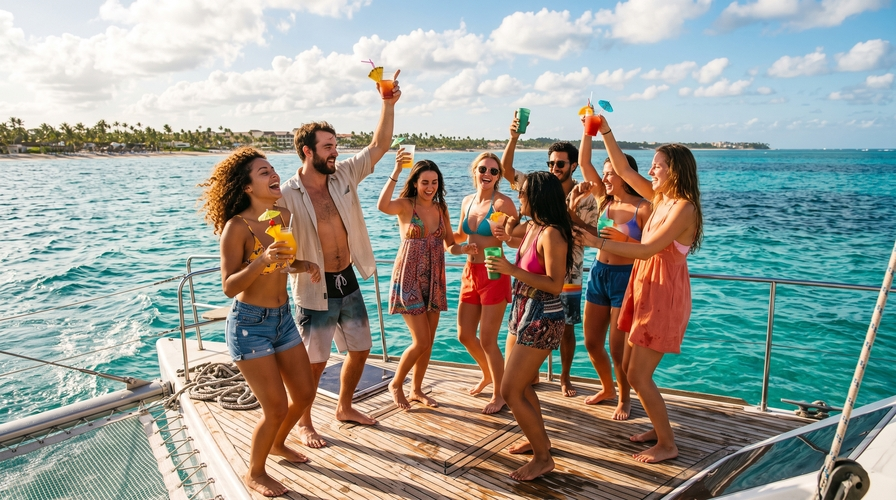
If you are traveling with a large group of friends, celebrating a birthday, or hosting a bachelor/bachelorette trip, you want to utilize the afternoon trade winds. Booking a private catamaran party Punta Cana allows you to control the exact vibe of the boat. The crew manages the open bar and the sound system. You just enjoy the ride while the boat cuts through the ocean breeze along the Bávaro coastline.

February vs. Other Months (A Quick Comparison)
February outperforms almost every other month by offering peak dry-season conditions. It entirely avoids the extreme humidity of the summer and the major storm risks of the fall.
To understand exactly why February is so highly sought after, you just have to look at how it stacks up against the rest of the calendar year. You made the right choice booking now.
| Month | Climate Profile | Best Feature | Drawback |
| February (Dry/Peak) | Dry & Breezy | Low humidity, perfect ocean temp, peak whale season | Higher pricing due to massive demand |
| January (Cooler) | Cooler & Dry | Very comfortable daytime heat | Ocean water can occasionally feel slightly brisk early in the morning |
| July (Hot/Humid) | Hot & Humid | Extremely warm water for swimming | High humidity, frequent sargassum seaweed blooms on the shore |
| September (Rainy) | Hot & Rainy | Lowest crowd levels, cheaper flights | Falls in the middle of peak Atlantic hurricane season |
Conclusion
Your vacation time is incredibly valuable, and securing the right weather window is the absolute best way to protect your investment. February guarantees the environmental conditions you need for a flawless trip. Don’t leave your offshore itinerary to chance—browse our complete lineup of premium boat tours and reserve your exact date on the water today.
Frequently Asked Questions
Is February a good time to visit Punta Cana?
Yes. February is widely considered one of the absolute best months to visit. You experience the peak of the dry season, guaranteeing long sunny days, highly comfortable evening temperatures, low humidity, and excellent overall conditions for outdoor exploration and ocean excursions.
Can you swim in the ocean in Punta Cana in February?
Yes. The ocean temperature in February averages a highly comfortable 79°F (26°C). The water remains warm enough for extended periods of swimming, snorkeling, and diving without the need for a wetsuit, while still feeling refreshing under the intense Caribbean sun.
Do boat tours get canceled in February due to weather?
No. Boat tours are very rarely canceled in February. While brief, 10-minute tropical showers can occasionally occur, they pass rapidly. Excursions operate seamlessly through these quick weather events, and the persistent trade winds provide incredibly stable and predictable sailing conditions.
Are there hurricanes in Punta Cana in February?
No. Punta Cana is completely free from hurricane threats in February. According to official historical data from the National Hurricane Center, the Atlantic hurricane season strictly runs from June 1st through November 30th. February offers completely stable, storm-free atmospheric conditions.
What is the best boat excursion to do in February?
The best excursion heavily depends on your group. Couples should take advantage of the breezy late afternoons by booking a private sunset catamaran cruise, while families and snorkelers should prioritize early morning trips to Saona Island to capitalize on peak underwater visibility.