
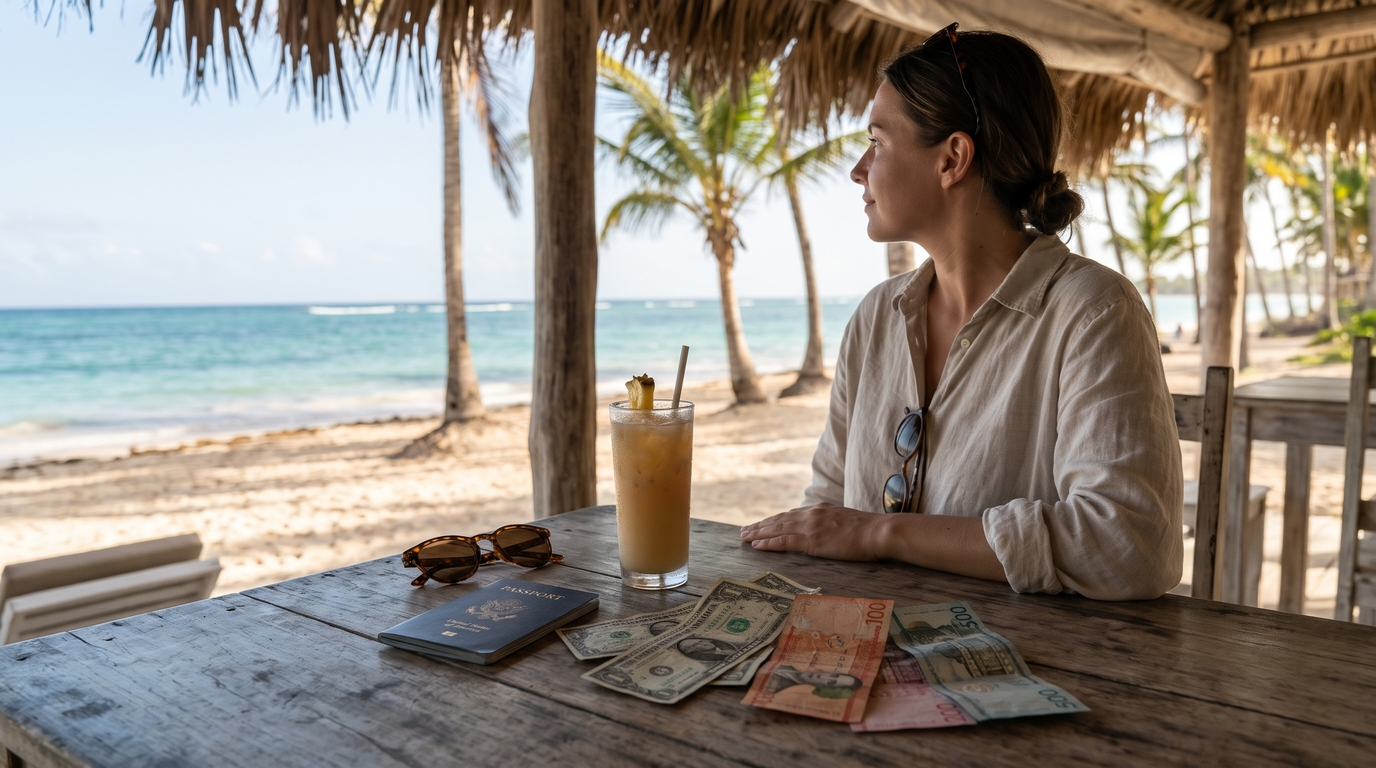
Packing for a trip to the Dominican Republic almost always triggers the exact same headache: figuring out what currency to actually bring. You want to relax, not do complex math on the beach. Here is the absolute bottom line regarding your Punta Cana currency strategy: while the Dominican Peso (DOP) stands as the official legal tender of the country, US Dollars are the undisputed king across all major tourist zones.
Whether you are building an itinerary full of the best things to do in Punta Cana or you just plan on lounging by the pool at a massive all-inclusive resort, getting your cash flow right matters. Managing your money correctly saves you from brutal, inflated exchange rates and annoying hidden transaction fees.
The Short Answer: USD vs. Dominican Pesos in Punta Cana
Money works a bit differently down here. The financial ecosystem across the Dominican Republic operates on a very distinct dual-currency track. For incoming tourists, knowing exactly which currency to deploy in specific environments is the difference between seamless, easy transactions and losing roughly 10% of your money on every single purchase.
When to Use US Dollars (USD)
You want to rely on the US Dollar for anything involving high-value tourism services.
- Securing Private Transport: Booking high-ticket, pre-arranged Punta Cana airport transfers or private VIP shuttles is strictly a USD game. Transport operators price their premium, guaranteed services in dollars because they need to maintain stable profit margins against local inflation.
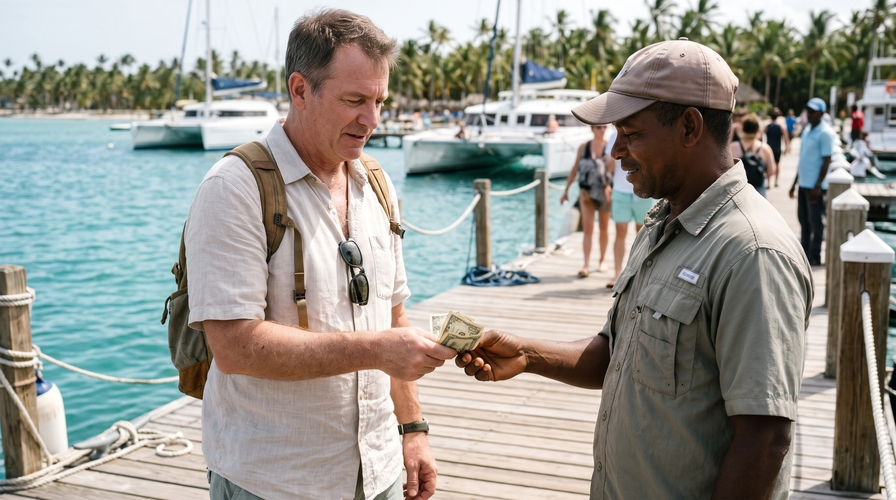
- Booking Premium Marine Excursions: Whether you are chartering a massive private yacht for a party or booking a fast-paced afternoon jet ski Punta Cana adventure, the marine operators pay for their vessel fuel and engine maintenance in USD. Paying them directly in dollars avoids secondary currency conversion penalties.
- Tipping Resort Staff and Guides: Bartenders, daily housekeeping staff, and excursion crews strongly prefer receiving small USD bills. The dollar holds its long-term value better than the local peso, making it a highly superior currency for building their personal savings.
- Settling All-Inclusive Incidentals: If you decide to buy a premium bottle of imported wine at dinner, a deep-tissue spa treatment, or a late checkout extension at your resort, the front desk billing systems will aggressively favor USD card transactions or physical dollar cash.
When to Use Dominican Pesos (DOP)
Step away from the tourist bubbles, and the US Dollar quickly loses its utility. You need local Pesos for local living.
- Riding Local Public Transit: If you decide to step off the resort property to ride the local mini-buses (known as guaguas) or the motoconchos (motorcycle taxis), pesos are absolutely mandatory. These independent drivers operate on razor-thin daily margins and simply do not carry USD change.
- Shopping at Massive Local Supermarkets: Big-box stores like Jumbo, Pola, or Iberia use strict, government-regulated cash registers. While the cashier might technically accept a crisp USD bill, their corporate exchange rate is notoriously poor. Handing over pesos ensures you pay the exact, fair local retail price.
- Off-Resort Dining and Exploration: When you venture out independently to find authentic things to do outside the resort, you will discover that local mom-and-pop restaurants (called comedores) price their menus exclusively in DOP.
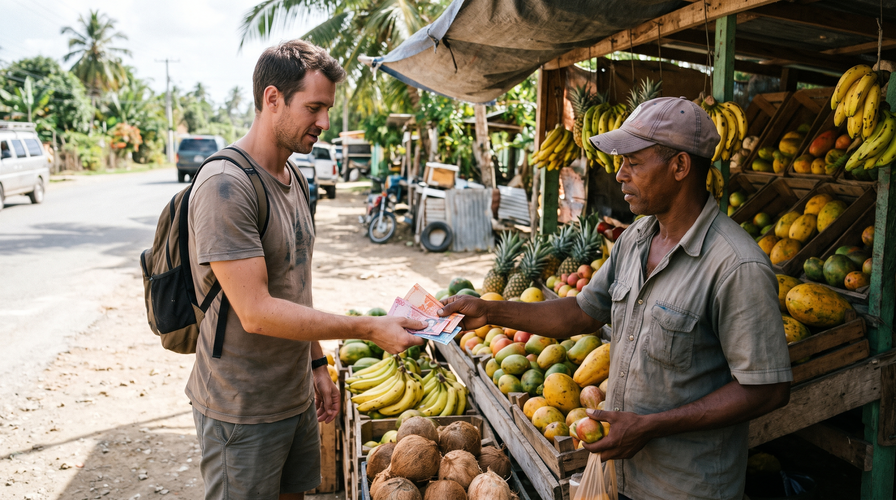
- Buying from Small Street Vendors: Vendors selling fresh fruit on the side of the road, hot empanadas, or small beach trinkets operate strictly in the local cash economy. Giving a street vendor a $20 USD bill for a cheap $2 item will completely drain their entire daily float of change. It causes a major inconvenience.
What About Euros and Canadian Dollars?
If you are flying in from Europe or Canada, convert your native currency to USD before arriving on the island. Local banks and independent exchange bureaus offer absolutely terrible conversion rates for non-USD currencies, instantly draining your purchasing power. Do not even attempt to use Euros or Canadian dollars for daily tips or taxi rides; locals cannot easily exchange them.
Dominican Peso Basics (The Technical Stuff)
Understanding the mechanics of the Dominican Republic currency protects you from bad math at the checkout counter.
As of 2027, the floating average exchange rate generally hovers between 58 to 60 DOP for every 1 USD. Because this specific rate fluctuates based on global economic conditions and heavy seasonal tourism influxes, we highly recommend checking live USD to DOP exchange rates just before you board your flight. The rate you secure in January during peak season often differs slightly from what you will find in September. Interestingly, timing your trip around the best time to visit Punta Cana can marginally impact the local buying power of your cash due to seasonal market demand.
The national currency is logically divided into distinct, brightly color-coded banknotes to make quick identification easy for locals and visiting tourists alike:
- RD$50: Purple (This is the lowest common paper denomination)
- RD$100: Orange
- RD$200: Pink
- RD$500: Light Blue
- RD$1,000: Red
- RD$2,000: Blue (This is the highest denomination available)
Pro Tip: Never carry RD1,000andRD2,000 bills for daily, casual use. Small beach vendors, independent taxi drivers, and local corner stores rarely carry enough liquid cash to break these massive bills. Stick entirely to RD$500 notes and smaller to avoid frustrating transaction standstills.
Where to Get the Best Exchange Rates in Punta Cana
The moment you clear customs and land in the arrivals hall, you will be surrounded by aggressively marketed currency exchange options. Take a breath. Not all of them are created equal. Based on our operational data and local experience, here is the exact hierarchy of where to convert your money.
The Best Option: Local ATMs
Withdrawing local pesos directly from a bank ATM (labeled as a Cajero Automático) remains the absolute best way to secure the actual mid-market exchange rate. Yes, you will likely pay a minor out-of-network withdrawal fee to your home bank (usually around 200 to 250 DOP), but the math always beats using manual exchange kiosks.
Trusted, highly secure national banks include Banco Popular, BanReservas, and Scotiabank. You can easily find well-lit, secure branches located in major shopping plazas when exploring things to do in Bavaro. One massive rule: always explicitly decline the ATM’s on-screen offer to “convert the transaction for you”—let your home bank handle the back-end math.
The “Okay” Option: Casas de Cambio (Exchange Bureaus)
If you prefer traveling with a stack of physical cash and want to exchange it manually in person, look for officially licensed “Casas de Cambio”. You will find these located in local commercial centers and strip malls just outside the resort gates.
Caribe Express and Vimenca are the two most reputable national chains operating on the island. They consistently offer fair, highly competitive daily rates. You will absolutely need your physical passport in hand (a photo on your phone will not work) to execute a legal transaction here. Spotting them is easy; they operate out of highly secure, air-conditioned office spaces rather than temporary, shady street kiosks.
The Worst Options: Hotels and the Airport
Do not exchange your money at the airport arrival terminal. Do not exchange it at your resort front desk. Unless you face an absolute financial emergency, skip these options entirely.
These massive institutions apply a punishing “convenience tax,” routinely offering exchange rates that are 10% to 15% worse than the actual market value. A quick glance at our Punta Cana airport guide highlights that terminal kiosks are specifically designed to capitalize on disoriented, newly arrived tourists. Just walk right past them.
Paying for Excursions & Boat Trips: A Practical Guide
Navigating the marine tourism economy requires a strategic, pre-planned approach to payments. The specific way you pay directly dictates the level of financial protection and customer service you receive.
Booking Online vs. Paying in Person
Booking your activities online in USD via a major credit card is the safest, most financially sound route available. Securing your private boat tours Punta Cana through a verified digital checkout platform instantly locks in your exact price. More importantly, it completely bypasses local card machine fees.
When you decide to pay in person at a marina desk, local merchants are forced to run your card through domestic, island-based processors. This often triggers automatic fraud alerts from your home bank, freezing your card while you stand awkwardly on the dock. Furthermore, online booking actually guarantees your reservation in a high-demand market, ensuring you don’t lose your vessel to a walk-up cash buyer who arrived five minutes before you.
Paying Beach Vendors and Marina Shops
Let’s talk about the beach. When dealing with independent vendors on the sand or browsing through local cigar and rum shops, physical cash is your best weapon. If you are out shopping in Punta Cana for authentic Mamajuana, you will find that vendors often quote their initial prices in USD but are more than willing to accept Pesos.
Here is the practical tip to save money: Always pull out your phone calculator to verify the peso-to-USD rate before handing over any cash at the marina. Beach vendors are infamous for using “creative math” in their heads. If a vendor says a beach towel is $20 USD, but then casually demands 1,400 Pesos (an implied, terrible rate of 70 DOP to 1 USD), politely correct their math or just walk away.

The 2027 Tipping Guide for Punta Cana (Cheat Sheet)
If there is one absolute truth about traveling in the Caribbean, it’s this: tips make the world go round. Tipping is the absolute lifeblood of the Dominican service economy. Whether you are enjoying a lavish lobster dinner or returning to the dock from a stunning sunset cruise Punta Cana, having the right cash on hand ensures you are rewarding exceptional service properly.
| Service Provider | Recommended Tip Amount |
| Boat Captains / Tour Guides | 10 – 20 USD per person |
| Housekeeping Staff | 2 – 3 USD per day |
| Bartenders | 1 USD per round of drinks |
| Bellhops & Luggage Handlers | 1 – 2 USD per bag |
Which Currency is Best for Tipping?
Local service workers actually prefer receiving USD small bills ($1s and $5s) over local pesos. Why? Because the US dollar is significantly more stable than the peso against regional Caribbean inflation. Holding onto USD allows local workers to build a much more secure personal savings net over time.
Credit Cards in the DR: What You Must Know
Plastic is highly prevalent in the Dominican Republic, but the payment ecosystem operates under vastly different rules than standard North American or European networks.
Acceptance Rates
Visa and Mastercard dominate the local processing networks, which are predominantly run by companies like Azul and Cardnet. You can confidently use a Visa or Mastercard at any established restaurant, large supermarket, or tour agency office.
However, American Express and Discover are practically useless outside of the massive international resort properties. Local merchants completely refuse to pay the exorbitant merchant fees associated with Amex, so they simply decline the card. Always travel with a Visa or Mastercard as your primary financial tool.
The “Dynamic Currency Conversion” (DCC) Trap
This is the single most common financial drain that unaware tourists face on the island. When a waiter or clerk hands you the Verifone card machine, the digital screen will frequently present a choice: “Pay in USD or Pay in Pesos (DOP)”. This is a predatory system known as Dynamic Currency Conversion.
If you select USD, the local Dominican bank instantly applies its own highly inflated exchange rate to the transaction before sending the final bill to your home bank.
The golden rule: Always choose to pay in the local currency (Pesos). By selecting Pesos on the screen, your home bank handles the currency conversion on the backend at the actual, fair global market rate. Doing this saves you roughly 3% to 7% in hidden markup fees on every single swipe of your card.
Daily Budgeting: How Much Cash Should You Actually Bring?
Your actual cash requirements scale dramatically based on your specific travel style. Relying entirely on ATMs once you arrive is risky due to occasional regional power outages or machines running completely out of cash on busy holiday weekends. Bring clean, untorn USD bills directly from your home bank.
- For the All-Inclusive Traveler: Plan to bring $100 to $150 total in small USD bills for a standard 7-day trip. If you are staying at one of the highly rated small resorts in Punta Cana, your meals, nightly drinks, and baseline entertainment are fully covered. This specific cash stack is strictly dedicated to tipping your favorite bartenders, the daily housekeeping staff, and your airport shuttle driver.
- For the Active Explorer: Plan for $300 to $500, split between a stack of USD from home and local ATM peso withdrawals on the island. If you intend to leave the resort gates to find free things to do in Punta Cana, eat at local beachfront seafood shacks, or book exciting group catamaran tours Punta Cana, you need high daily liquidity. Use your USD for the major tour operators, and use your ATM-drawn pesos for the local dining spots and public transport.
Money Safety and Common Scams to Avoid
The Dominican Republic is generally safe for tourists, but petty financial opportunism exists anywhere heavy tourism flows. Protecting your wallet requires basic situational awareness and an understanding of the local hustle. A full read on is Punta Cana safe to visit provides broader context, but financially, watch out for these specific traps:
- The “Fake Exchange Rate” Calculator Trick: A vendor will pull out their phone and type a number into their physical calculator to show you the peso conversion. They intentionally use an outdated or entirely fabricated exchange rate (for example, multiplying your total by 65 instead of the actual 59). Always run the math independently on your own smartphone.
- ATM Skimmers: Only use ATMs located physically inside secure bank branches, major grocery store lobbies, or deep inside your resort property. Never use standalone, unbranded ATMs sitting randomly on the street or in dimly lit gas stations. These exposed machines are prime targets for illegal card skimming hardware.
- The “No Change” Excuse: A taxi driver or a beach vendor will enthusiastically accept your $20 USD bill for a cheap $5 ride, only to suddenly claim they have absolutely zero change once you reach your destination. Their goal is simple: to force a larger purchase or keep the remainder as an involuntary tip. Break your large bills at the resort front desk before leaving for the day.
- The Torn Bill Rejection: Dominican banks are incredibly strict regarding the physical condition of foreign currency. They will outright reject US Dollars that have even microscopic tears, heavy center creases, or stray ink marks. Consequently, local vendors will flatly refuse to accept damaged USD from you because they know they cannot deposit it later. Inspect your cash closely before leaving your home country.
Ready for an Unforgettable Punta Cana Experience?
The absolute easiest way to manage your vacation money is to book your major activities well in advance. Locking in your itinerary online protects you from carrying massive wads of cash on the beach, haggling over bad exchange rates, or dealing with frozen credit cards at a local marina.
Whether you are looking to escape to paradise on our stunning Saona Island tour or you want to celebrate a massive milestone with our incredible party boat rentals, we handle the logistics seamlessly. Secure your vessel online today securely in USD, and let the Official Dominican Republic Tourism Board remind you why this island is the undisputed crown jewel of the Caribbean.

Frequently Asked Questions (FAQs)
Can I use US dollars everywhere in Punta Cana?
Yes, US Dollars are universally accepted at resorts, major tour agencies, large restaurants, and private transport services throughout the entire Punta Cana region. You only strictly need pesos for deep local travel, public transit, and buying from remote street vendors.
Should I exchange money before I travel to the Dominican Republic?
No. Exchanging money in your home country usually results in terrible, uncompetitive rates. Bring crisp, untorn US Dollars for immediate tipping and excursion payments, and use a local Dominican bank ATM upon arrival if you find you need pesos.
Do taxis in Punta Cana take credit cards?
No, traditional local taxis in Punta Cana operate strictly on a cash basis. While modern rideshare apps like Uber do operate in specific, limited zones with digital payments, standard hotel-stand taxis require physical USD or Pesos.
What happens to my leftover Dominican Pesos?
Spend them at the airport food court or duty-free shops before you board your flight home. Dominican Pesos are a closed-market currency. They are notoriously difficult, if not completely impossible, to convert back to your native currency once you return to your home country.