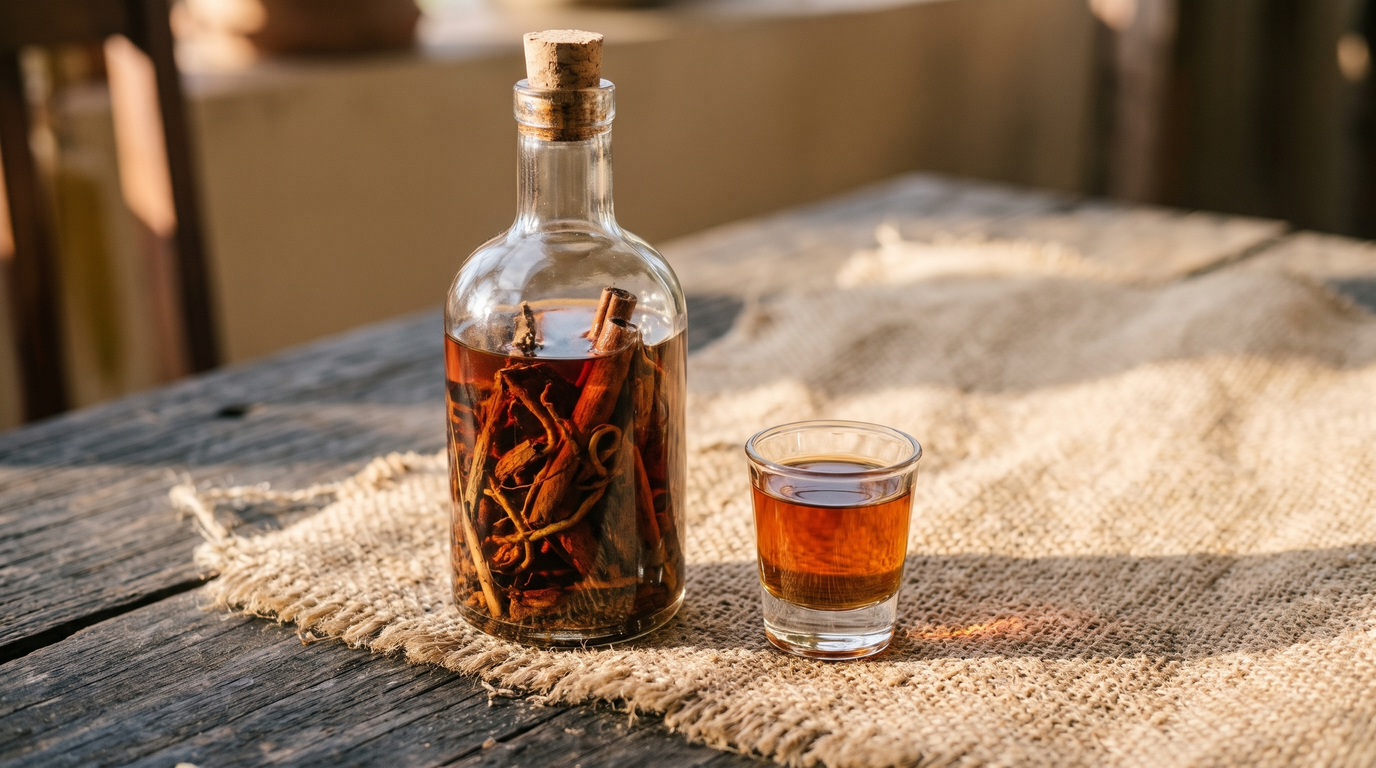
You step off the plane in Punta Cana. The warm Caribbean breeze hits your face, and within hours of arriving at your resort, someone hands you a small, amber-colored welcome shot. You take a sip. It is earthy, sweet, robust, and surprisingly smooth. You just had your first taste of Mamajuana, the island’s most legendary spirit.
Mamajuana is a traditional Dominican alcoholic beverage made by steeping indigenous tree bark, roots, and native herbs in a mixture of dark rum, red wine, and honey. Originally crafted as a medicinal herbal tea by the native Taino people, it has evolved into the national celebratory drink of the Dominican Republic, prized for its complex flavor and legendary health benefits.
What Exactly is Mamajuana? (Mama Juana)
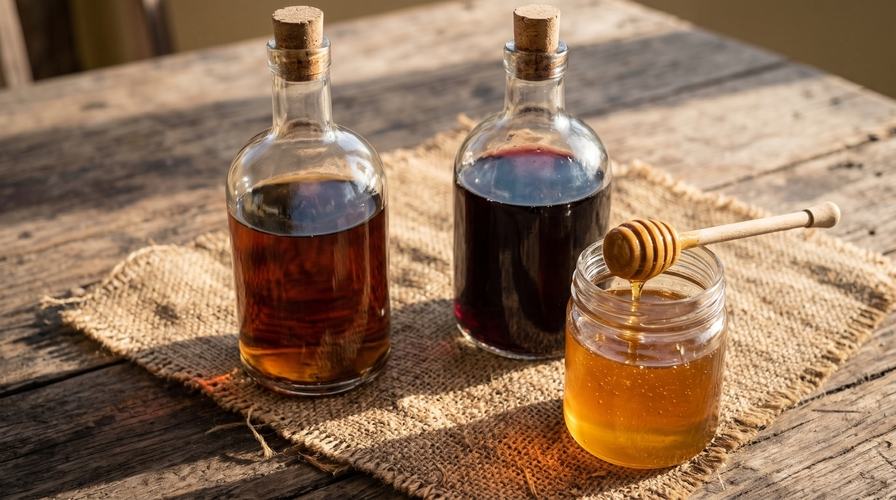
Mamajuana (sometimes spaced out as Mama Juana) represents the absolute soul of Dominican drinking culture. The core concept is relatively simple: a mix of rum, red wine, honey, and indigenous bark and herbs. When you combine these raw materials and let them steep, the alcohol extracts the deep, woody oils from the bark, creating a rich liqueur that tastes like a spiced port wine mixed with a premium aged rum.
Despite the name, the drink was not named after a woman. The name comes from the French and Spanish term “Damajuana” (demijohn bottle). A demijohn is a large, glass jug with a wide belly and a narrow neck. Historically, locals used these specific glass vessels to steep the roots and bark. Over the decades, the local island pronunciation naturally shifted, and the drink simply took on the name of the bottle it was brewed inside.
The Fascinating History & Origin of Mamajuana
The origins of this iconic drink go far beyond modern resort bars. Its history spans centuries and represents a deep blending of indigenous wisdom and European influence.
Taino Roots
Long before tourists flocked to the island’s white sand beaches, the indigenous Taino people inhabited Hispaniola. The Taino originally created the base of Mamajuana as an indigenous medicinal herbal tea. They gathered specific roots, leaves, and woods from the local forests and boiled them to extract their medicinal properties. This non-alcoholic tonic was consumed to soothe digestion, boost daily energy, and cure common ailments. Historical records detailing the history of the Taino people on Britannica highlight their profound understanding of the island’s botanical ecosystem.
Spanish Colonial Transformation
The recipe changed dramatically in the late 15th century. When the Spanish colonists arrived post-Columbus, they added alcohol to the mix. Bringing European wine and early distilled spirits to the island, they realized that soaking the Taino herbs in alcohol extracted the essential oils far better than boiling water. The alcohol acted as a powerful solvent, while the addition of local honey smoothed out the harsh, bitter tannins of the raw wood.
Modern Mamajuana Culture
Today, the consumption of the drink has completely transformed. What began as a local remedy transitioned from medicine to the national celebratory drink. Whether you are at a corner colmado (local grocery store), a family wedding, or simply exploring the free things to do in Punta Cana, you will see locals sharing shots of this spiced spirit to celebrate life, friendship, and Dominican heritage.
The Secret Mamajuana Ingredients Breakdown
Understanding this drink requires looking closely at what goes inside the bottle. Every family has their own secret recipe, but a few core components are universally required to get that authentic flavor.
Dominican Tree Bark & Wood
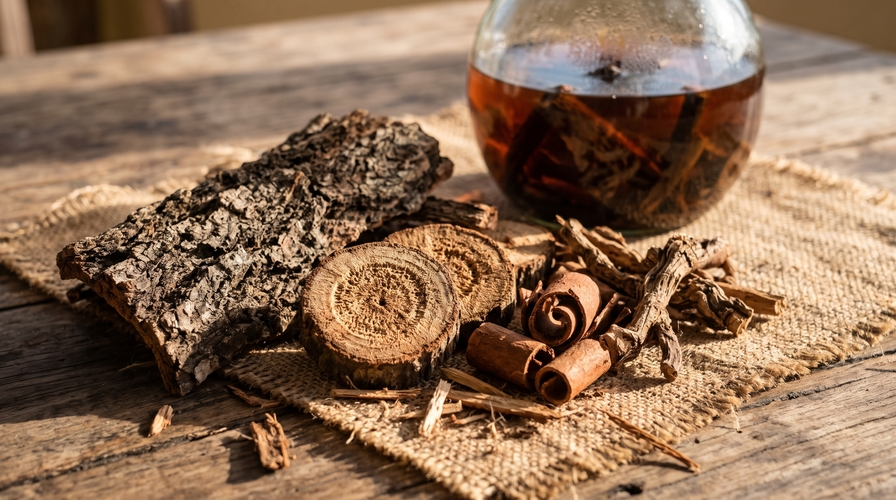
The structural foundation of the drink relies entirely on native Dominican tree bark and wood. The two most important woods used are Canelilla and Bohuco Pega Palo. Canelilla provides a warm, cinnamon-like aromatic base, while Bohuco Pega Palo (which roughly translates to “wood that hits hard”) is prized for its strong earthy extraction and traditional medicinal properties.
Native Herbs & Spices
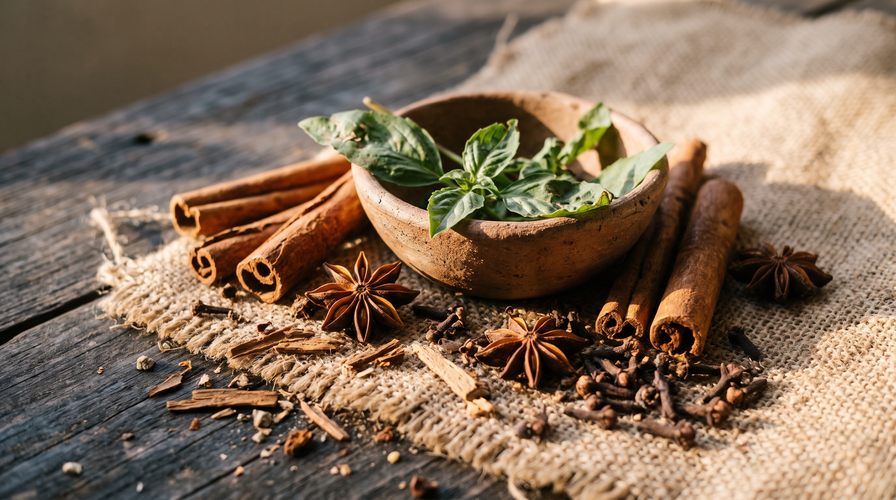
To balance the heavy wood flavors, brewers add a specific mix of native herbs and spices. Traditional recipes almost always include anise, cinnamon, cloves, and occasionally wild basil. The anise delivers a subtle licorice finish, while the cloves and cinnamon give the drink its signature holiday-spice warmth.
The Liquids: Rum, Wine, and Honey
The dry ingredients are useless without the right liquid ratio. The classic combination requires rum, wine, and honey, but the quality of the base matters. Dark Dominican rum is best because its aged, molasses-heavy profile complements the woody herbs perfectly. A sweet, cheap red wine is ironically preferred over expensive dry wine because the residual sugars help balance the harshness of the bark. Finally, raw, unprocessed local honey acts as the ultimate binder, thickening the liquid and cutting the bite of the alcohol.
| Mamajuana Component | Primary Function in the Blend | Expected Flavor Profile |
| Bohuco Pega Palo | Extracts essential oils & medicinal properties | Earthy, heavy woody base |
| Canelilla | Adds natural aromatic spice | Warm, similar to cinnamon |
| Dark Dominican Rum | Primary solvent for alcohol extraction | Rich, molasses, aged oak |
| Sweet Red Wine | Curing agent to remove raw bark bitterness | Acidic, fruity, sweet |
| Raw Local Honey | Balances the harshness of the rum and wood | Sweet, floral, smooth |
How to Make Mamajuana: The Traditional Recipe
Making your own batch at home is a rite of passage. If you purchased a dry kit of roots and bark on the island, you cannot just pour expensive alcohol over it and drink it immediately. You must cure the wood first.
Ingredients You Need
To start, you need a glass bottle filled with a traditional dry Mamajuana root and bark mix. For the liquids, gather one bottle of cheap, sweet red wine, one bottle of quality dark Dominican rum (like Brugal or Barceló), and a jar of pure liquid honey.
Step 1: Curing the Bark
Curing the bark is the most critical step of the entire process. Never skip this. When you first buy a bottle of dry wood, it is loaded with harsh, bitter tannins. Fill the entire bottle of roots with cheap red wine and let it sit in a dark place for one to two weeks. The acidic wine strips the intense bitterness from the wood. After two weeks, pour this bitter curing wine down the drain. Do not drink it. Your bark is now cured and ready for the real mix.
Step 2: Mixing the Alcohol and Honey
Now you build the actual drink. The standard ratio used by locals is 3 parts rum, 1 part wine, and 1 part honey. First, pour the honey directly over the cured wood. Next, add the red wine. Finally, top off the rest of the bottle with your dark Dominican rum. Shake the bottle vigorously to ensure the thick honey dissolves fully into the alcohol.
Step 3: Steeping Time
Patience is key. Once mixed, seal the bottle and place it in a cool, dark cabinet. Recommend 1-2 weeks of steeping time before taking your first sip. The longer it sits, the more the honey smooths out the rum and the deep spice flavors extract from the bark.
Step 4: Straining and Serving
After the steeping period, your homemade batch is ready. You do not need to remove the bark from the bottle. Simply pour the liquid directly into a small shot glass. It is traditionally served neat, at room temperature.
Health Claims & Myths: Is it Really the “Dominican Viagra”?
Beyond its taste, the drink is famous for its wild health claims. Ask any local bartender, and they will tell you it cures just about everything.
Traditional Healing Beliefs
For generations, Dominicans have relied on this spiced tonic for traditional healing beliefs. Locals routinely drink a small shot after a heavy meal to aid digestion. It is also a popular household cold remedy and is taken to boost general daily energy. The intense botanical oils extracted from the roots act as a natural stimulant.
Ingredient-Specific Benefits
There is actual science behind some of these claims. The drink is packed with ingredient-specific benefits, primarily antioxidants derived from the heavy use of honey, cloves, and cinnamon. Cinnamon regulates blood sugar naturally, cloves offer powerful anti-inflammatory properties, and raw honey is a known antibacterial agent.
The Aphrodisiac Legend Explained
Of course, the most famous rumor is the aphrodisiac legend. You will constantly hear vendors jokingly refer to the drink as the “Dominican Viagra”. While there is no clinical medical data proving it acts as a pharmaceutical enhancement, the combination of high-proof alcohol, natural sugar, and stimulating herbs definitely increases blood flow and warms the body. If you are exploring the romantic things to do in Punta Cana for couples, sharing a few shots of this spicy liqueur certainly sets a lively, romantic mood.
How to Enjoy Mamajuana on a Punta Cana Boat Trip
Reading about the island’s signature drink is one thing, but experiencing it out on the water is entirely different. Combining this local flavor with a coastal excursion creates an unforgettable memory.
Sipping Mamajuana at Sea: The Ultimate Caribbean Vibe
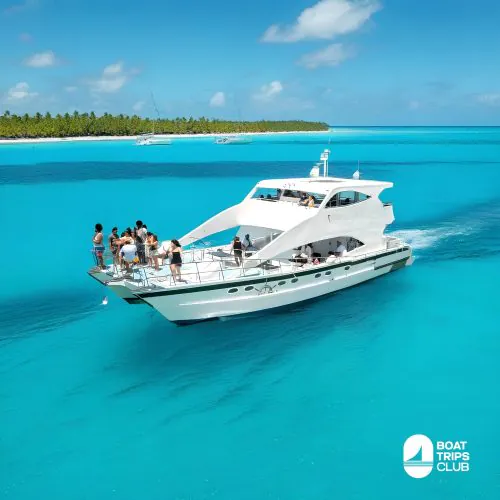
There is nothing quite like sipping Mamajuana at sea. The ultimate Caribbean vibe involves floating over crystal-clear turquoise waters with a spiced shot in your hand. The warm breeze, the tropical sun, and the smooth burn of the honey-infused rum create a sensory experience that defines a true vacation. If you are looking for Punta Cana what to expect on the water, expect great music, stunning coastlines, and endless local hospitality.
Do Punta Cana Catamaran Tours Serve Authentic Mamajuana?
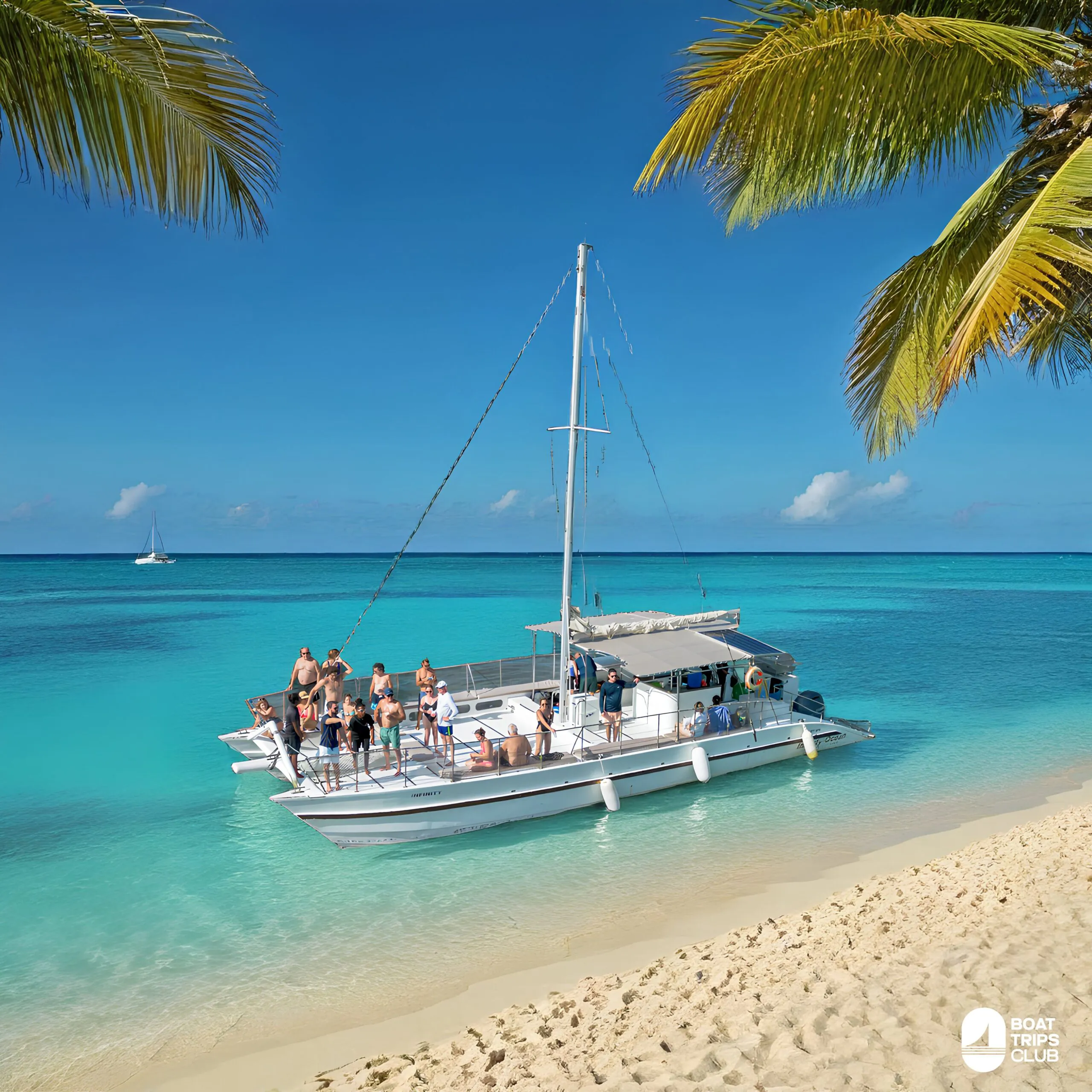
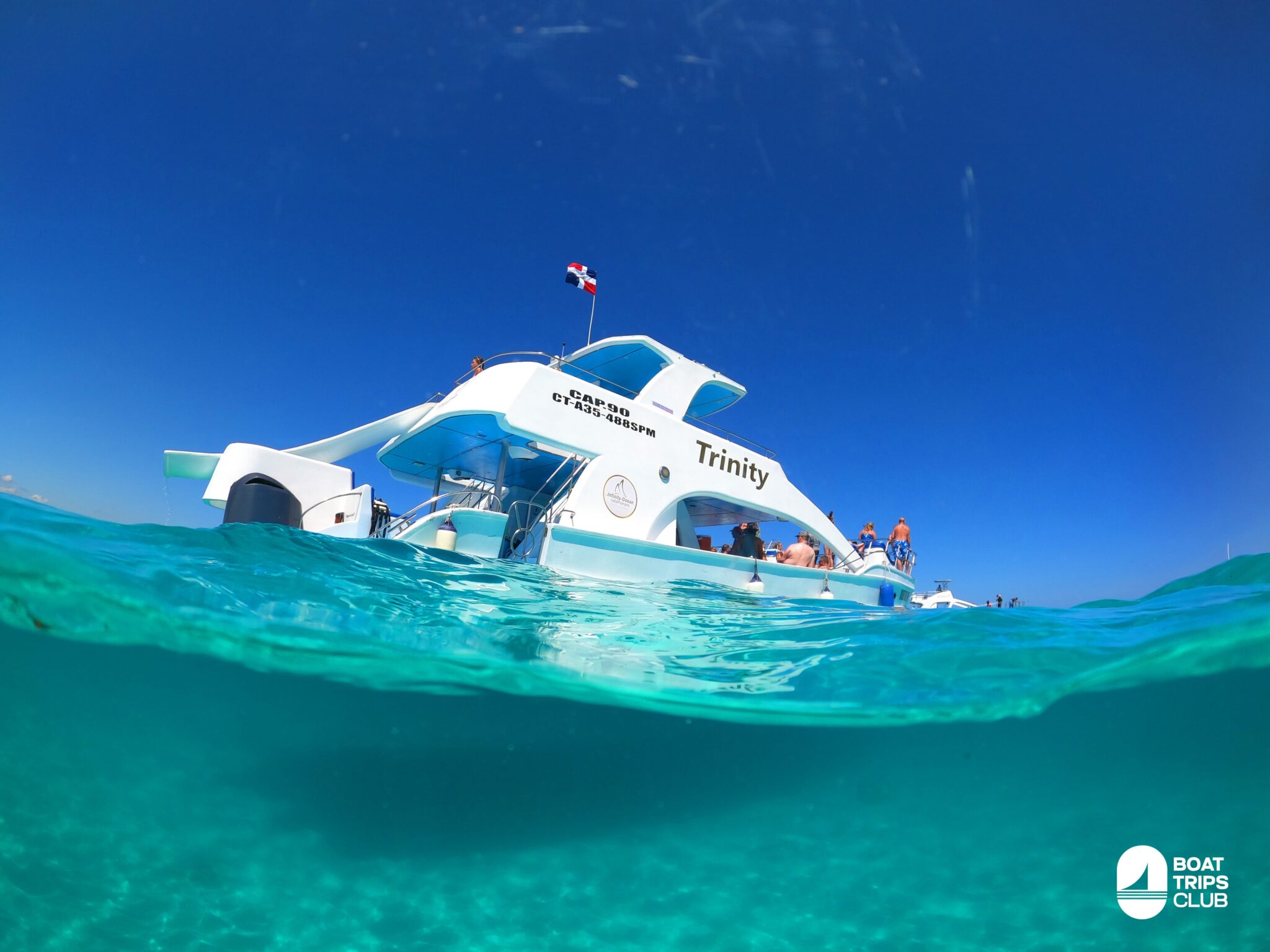
Yes, premium excursions absolutely serve it. However, not all boats offer the good stuff. While some budget tours skip it entirely, Boat Trips Punta Cana proudly offers authentic local blends on our excursions. We make sure you get a taste of the real, homemade island tradition while sailing the coast. Whether you are on our Private Catamaran Bavaro Tour or enjoying a serene Sunset cruise Punta Cana, our crew is ready to pour you a welcome shot.
Book Your Floating Dominican Party
Ready to take your vacation to the next level? Book your floating Dominican party with us. Experience the ultimate mix of snorkeling, pristine beaches, and authentic local drinks. Check out our full list of Catamaran tours Punta Cana or gather your friends and reserve a Private catamaran party Punta Cana to secure your perfect day on the water.
Mamajuana Food Pairings: What to Eat With It
Most tourists only take it as an isolated shot at the bar, but pairing this sweet, woody liqueur with local food elevates the entire culinary experience.
Best Dominican Snacks to Pair
Because the drink is naturally sweet and intensely spiced, it pairs perfectly with savory, salty foods. The best Dominican snacks to pair include fresh Tostones (twice-fried green plantains) and hot, crispy meat Empanadas. The heavy salt and fat of the fried snacks balance the honey and rum beautifully, cutting through the sweetness of the alcohol.
Seafood & Mamajuana
Eating fresh seafood alongside this robust spirit is a local secret. It serves as the perfect post-snorkeling meal. After a long morning exploring the best places to snorkel in Punta Cana, sitting down to a plate of grilled red snapper or garlic butter shrimp followed by a chilled shot of Mamajuana acts as an incredible digestive.
Dessert Pairings
If you prefer a sweeter finish, the dessert pairings are phenomenal. Because of the heavy notes of cinnamon and vanilla, it pairs beautifully with dark Dominican chocolate or a smooth, locally rolled cigar. The smoky, bitter notes of the tobacco and cacao contrast flawlessly against the sweet honey finish of the rum.
Dominican Drinking Etiquette: How to Toast Like a Local
Drinking on the island comes with its own set of cultural rules. If you want to blend in with the locals at the beach bar, you need to know how to toast properly.
The Right Way to Say Cheers
Before you throw the shot back, you must acknowledge the people you are drinking with. The right way to say cheers is to look your friends in the eye and say “¡Salud!” (Health). It is a sign of respect and perfectly matches the historical medicinal roots of the beverage.
The Social Aspect of Sharing
You never drink it alone. The social aspect of sharing is built into the island’s DNA. It is a communal drink meant to be shared with friends and family. If a local opens a fresh bottle, they will pour a small tasting for everyone in the room. Refusing a shot when offered by a host is considered slightly rude, so always accept the gesture, even if you only take a tiny sip.
Best Mamajuana Brands to Try in 2026
If you don’t have the time to cure and steep your own dry wood, several excellent pre-bottled commercial brands are available across the island.
Kalembu
Kalembu is the most widely recognized commercial brand on the market. It is mass-produced, highly filtered, and exceptionally smooth. You will find this bottle in almost every major grocery store and resort bar. It is slightly sweeter than traditional homemade batches, making it a great entry-level choice for tourists.
Candela
Candela offers a premium, spiced experience. Known for its elegant packaging and refined botanical extraction, Candela is technically a spiced rum infused with authentic local herbs. It is very clean, highly regulated, and perfect for upscale mixology and craft cocktails.
Don Ramon
Don Ramon strikes the perfect balance between commercial polish and rustic flavor. It is a smooth, great gift to bring back for friends. The flavor profile leans heavily on the dark rum and anise, giving it a rich, sophisticated bite that whiskey drinkers usually appreciate.
Tres Toros
If you are looking for authenticity on a budget, Tres Toros is the answer. It is highly budget-friendly and widely available. It packs a stronger alcoholic punch than Kalembu and retains more of the sharp, earthy bark flavor that locals prefer.
Artisanal/Homemade
Despite the great commercial options, artisanal and homemade batches are the true kings of the island. The homemade stuff found on local tours is usually the best because it is steeped in small batches with higher quality local honey and older roots. This is exactly why the exclusive blends served on a Saona Island day trip always taste richer than anything you buy in a glass bottle at the supermarket.
Where to Buy Mamajuana in Punta Cana
Tracking down a bottle is easy, but where you buy it dictates the price you pay and the authenticity you get.
Local Shops & Authentic Markets
For the absolute best prices and most authentic dry wood kits, head into town. Exploring local shops and authentic markets is highly recommended. If you are browsing the Punta Cana things to do outside resort, stop by a traditional colmado. You will find massive bags of dry herbs for a fraction of the tourist price.
Resort Gift Shops
If you prioritize ease over budget, stick to the hotel. Resort gift shops are incredibly convenient but always pricey. Expect to pay double or triple the local market rate for a basic bottle of Kalembu or a decorative dry kit. However, if you are staying at one of the top Dominican Republic beachfront resorts and just need a quick souvenir before your flight, it gets the job done.
Punta Cana Airport (Duty-Free)
The airport is your last resort. The Punta Cana Airport duty-free section offers a massive selection of pre-mixed liquid bottles. While the prices are slightly inflated, buying here means you do not have to worry about liquid weight limits in your checked luggage, as duty-free bags can be carried straight onto the plane.
On Your Excursions & Tours
Often, the best place to buy is directly from the source. Purchasing on your excursions and tours guarantees you are getting a hyper-local product. Many tour guides and local captains sell their own family’s dry root blends. Not only are you getting a superior recipe, but your money goes directly to the local community.
Traveling Safely: How to Bring Mamajuana Home
Packing this souvenir requires a specific strategy. Customs agents are well aware of this drink, and one wrong move will result in your bottle getting thrown in the trash at the airport.
Liquid Mamajuana
Bringing home pre-mixed liquid is completely safe and treated like normal alcohol for US and Canada customs. You simply must pack it securely inside your checked luggage, as it violates the standard carry-on liquid limits. Reviewing the ultimate Punta Cana packing list before you fly will remind you to bring bubble wrap specifically for safely transporting glass bottles.
Dry Mamajuana Kits
This is where tourists get into trouble. We issue a strict warning: US Customs often confiscates dry bark and herbs as agricultural products. Because the dry kits contain unprocessed raw wood, dirt, and leaves, agricultural border agents view them as a severe pest risk. According to the US Customs and Border Protection (CBP.gov), uncertified agricultural materials are strictly prohibited.
The Best Strategy for Tourists
The best strategy for tourists is to entirely avoid buying the dry wood kits unless they feature an official, stamped agricultural phytosanitary certificate. To ensure you make it through customs without a headache, buy the commercially sealed, pre-mixed liquid bottles.
Serving Suggestions & Mixology
While the traditional method is strictly a room-temperature shot, modern mixologists have started experimenting with the spirit’s heavy botanical profile.
Straight Shots
The traditional way is simple: pour it into a shot glass and drink it straight. No ice, no chaser, no lime. This allows the complex oils of the Bohuco Pega Palo and the sweetness of the honey to hit your palate unobstructed.
On the Rocks
If the room-temperature rum is too aggressive, pour it on the rocks. Adding one large ice cube chills the liquid and slowly dilutes the heavy rum, making it far more refreshing to sip slowly on a hot afternoon by the pool.
Famous Mamajuana Cocktails
Local bartenders are getting highly creative. Famous cocktails include the Mamajuana Colada and the Mamajuana Sour. Replacing standard white rum with this spiced liqueur in a Piña Colada adds a massive layer of cinnamon and clove to the coconut cream, completely upgrading the classic frozen drink.
Warm/Hot Mamajuana
When the rainy season hits, locals change their serving style. Serving it warm or hot is a trusted remedy for chilly nights or battling a chest cold. Gently heating the liquid opens up the anise and cinnamon aromatics, turning it into a soothing, medicinal hot toddy.
Strength Warning
Do not let the sweet honey fool you. We issue a clear strength warning: this beverage is deceptively potent, typically sitting between 30-40% ABV (Alcohol By Volume). Because the sugar masks the sharp burn of the rum, tourists often consume multiple shots far too quickly. Pace yourself.
Conclusion: Your Dominican Adventure Awaits
Tasting the rich, woody spice of Mamajuana is an absolute must for anyone visiting the island. From its ancient indigenous Taino roots to its modern status as the ultimate Caribbean party starter, this sweet, rum-soaked botanical blend perfectly captures the vibrant, welcoming spirit of the Dominican Republic. When you learn how to plan a trip to Punta Cana, experiencing the local culture firsthand should be at the very top of your itinerary. We invite you to explore the breathtaking coastline, taste authentic local flavors, and book an unforgettable catamaran tour with Boat Trips Punta Cana today.
Frequently Asked Questions
What does mamajuana taste like?
It tastes like a complex, spiced port wine mixed with rich, aged rum. The raw honey provides a thick, floral sweetness, while the native tree bark and cinnamon give it a deep, earthy, and warm spice finish.
Is mamajuana legal in the US?
Yes, the commercially bottled, pre-mixed liquid is 100% legal to bring into the United States. However, dry herb and bark kits are frequently confiscated by US Customs due to strict agricultural restrictions on uncertified raw wood and soil.
Does mamajuana really work as an aphrodisiac?
No, there is no clinical medical evidence proving it functions as a pharmaceutical aphrodisiac. The legendary “Dominican Viagra” myth stems from the drink’s high alcohol content, stimulating herbs, and natural sugars, which rapidly increase blood flow and energy.
How long does mamajuana last?
A fully cured and mixed bottle can last for many years without spoiling. The high alcohol content from the rum and the natural preservative qualities of the raw honey prevent the liquid and the wood from degrading over time.
Can you reuse the mamajuana bark?
Yes, you can reuse the exact same bark for 5 to 7 years. As long as you keep the wood submerged in alcohol, you can continuously refill the bottle with fresh rum, wine, and honey as soon as you finish drinking the liquid.
How strong is mamajuana?
It is a very strong spirit, generally averaging between 30% and 40% ABV depending on the proof of the rum used in the mix. The added honey completely masks the alcoholic burn, making it deceptively easy to drink.
Where can I buy mamajuana in the Dominican Republic?
You can buy it almost anywhere on the island, including local colmados (grocery stores), resort gift shops, authentic outdoor markets, and the Punta Cana Airport duty-free terminal. The highest quality homemade batches are often sold directly by local tour operators.
Is mamajuana gluten-free?
Yes, the traditional recipe is entirely gluten-free. It is made exclusively from tree bark, herbs, rum (distilled from sugarcane), wine (fermented grapes), and honey, none of which contain gluten proteins.
What’s the difference between mamajuana and rum?
Rum is a single distilled spirit made strictly from sugarcane molasses, while Mamajuana is a complex, infused liqueur. Mamajuana uses that dark rum as a base but heavily modifies the flavor by adding red wine, honey, and soaking it with indigenous wood and spices.
Can you make mamajuana without alcohol?
Yes, you can recreate the original indigenous Taino recipe without alcohol. By boiling the native roots and bark in water to create a hot herbal tea, you extract the medicinal properties without any of the intoxicating effects.
How do you pronounce mamajuana?
It is pronounced “mah-mah-HWAH-nah.” The “J” in Spanish carries a soft “H” sound, just like in the name Juana or the word Jalapeño.
Is mamajuana the same as marijuana?
No, it has absolutely zero connection to marijuana. It does not contain cannabis, THC, or CBD; the similar-sounding name comes strictly from the Spanish word “Damajuana” (a large glass demijohn bottle).
Can I pack Mamajuana in my carry-on luggage?
No, liquid bottles must go in your checked bags due to TSA security rules restricting liquids over 3.4 ounces. The only exception is if you purchase a sealed liquid bottle past the security checkpoints at the airport duty-free terminal.