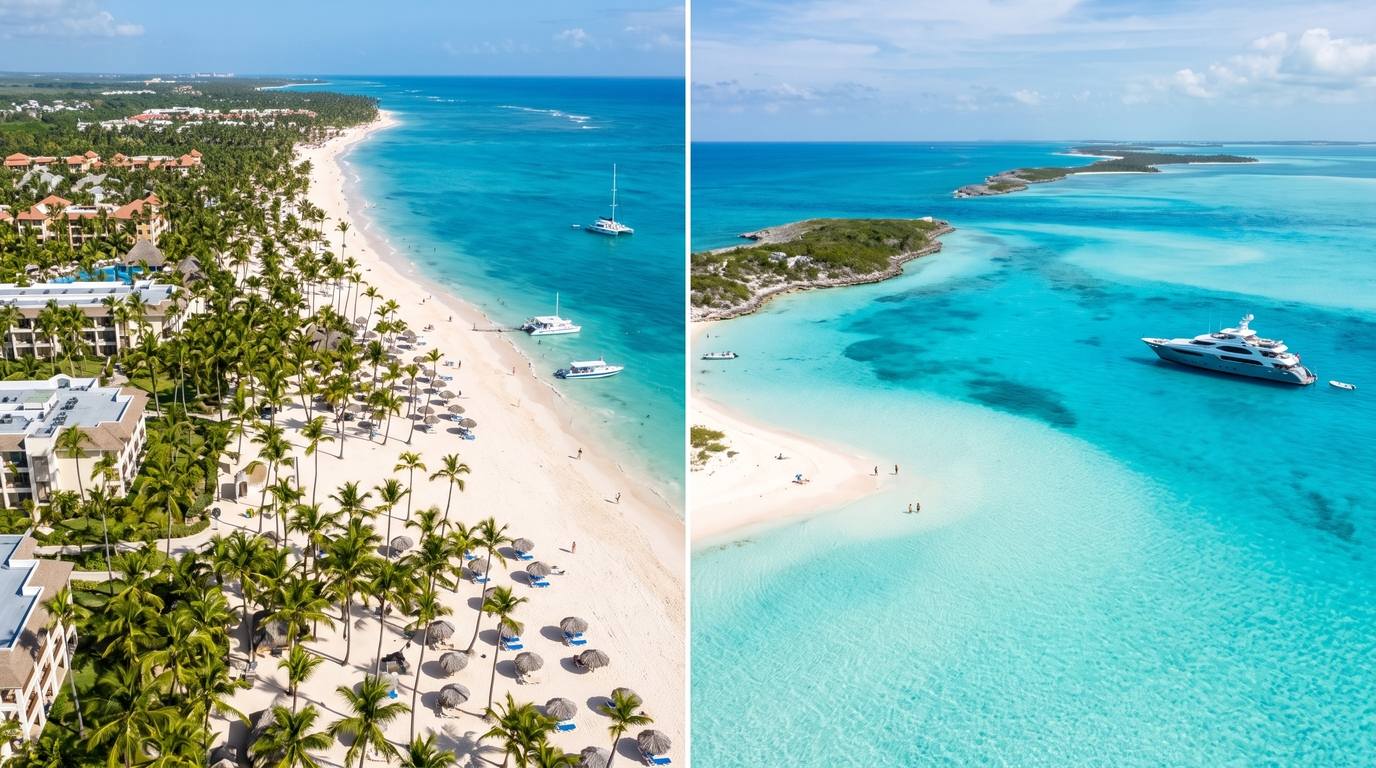
You want white sand, warm turquoise water, and a cold drink in your hand. Both Punta Cana and the Bahamas deliver exactly that, but the similarities end the moment you step off the plane. Choosing between the Dominican Republic’s crown jewel and the sprawling Bahamian archipelago is the classic Caribbean dilemma.
In 2026, traveler priorities have shifted. You are no longer just looking for a beach; you want to know exactly what your budget buys, how safe the local environment really is, and whether the ocean conditions suit your specific style of adventure. The Dominican Republic operates as a high-energy, all-inclusive haven where lush jungles meet massive resort complexes. The Bahamas offers a completely different rhythm—a scattered chain of islands heavily influenced by British colonial history, premium out-island isolation, and massive cruise ship traffic.
Which one fits your travel style? Let’s break down the data.
Key Takeaways: A Quick Glance
- Choose Punta Cana for: Unmatched all-inclusive luxury value, high-energy catamaran parties, lush jungle excursions, and a vibrant Spanish-speaking culture.
- Choose the Bahamas for: Extensive island-hopping, English-speaking convenience, historical colonial architecture, and premium boutique resort isolation.
- Budget Winner: Punta Cana offers significantly lower daily costs for food, excursions, and premium resort stays.
- Accessibility Winner: It’s a tie. Punta Cana (PUJ) dominates with affordable international flights, while Nassau (NAS) offers ultra-short jumps from the U.S. East Coast.
The Quick Answer: A Head-to-Head Comparison
| Feature | Punta Cana (Dominican Republic) | The Bahamas (Nassau/Out Islands) |
| Average Cost | Highly affordable; excellent all-inclusive value. | Expensive; high costs for food and inter-island transit. |
| Flight Accessibility | Massive volume of direct international flights to PUJ. | Quick flights from Florida; heavy cruise ship arrivals. |
| Best Vibe For | Mega-resort relaxation, party boats, and jungle tours. | Island hopping, quiet out-islands, and casino nightlife. |
| Primary Language | Spanish (English widely spoken in resorts). | English. |
| Top Highlight | Affordable luxury catamarans and Saona Island. | Swimming with the pigs in Exuma. |
Vibe, Culture, & Atmosphere
Step off the tarmac in Punta Cana, and you immediately feel the energy. The Dominican Republic pulses with Latin Caribbean rhythm. It is a place where merengue music spills out of local beach shacks, the hospitality is warm and boisterous, and the resort culture is designed to handle absolutely everything for you. Punta Cana is built for pure, unadulterated vacationing. You stay in sprawling, manicured complexes where the jungle literally meets the sand.
The Bahamas feels distinctly different. Nassau is bustling, heavily commercialized by the cruise industry, and deeply rooted in British colonial history. You will hear Bahamian dialects, drive on the left side of the road, and navigate a landscape heavily focused on premium boutique experiences. If you leave Nassau for the Out Islands (like Eleuthera or Exuma), the vibe shifts from commercialized to incredibly remote. You trade the mega-resort convenience for quiet, isolated luxury.
Weather & Best Time to Visit
Both destinations boast year-round tropical warmth, but subtle differences in their geographic locations dictate ocean temperatures and rain patterns.
Punta Cana High Season vs. Low Season
- High Season (December to April): Expect perfect, low-humidity days with average temperatures hovering around 82°F (28°C). The water is crystal clear, making it the prime window for navigating the best time to visit Punta Cana.
- Low Season (August to October): This is the rainy period. While you can score massive resort discounts, afternoon thunderstorms are common.
The Bahamas High Season vs. Low Season
- High Season (December to April): Because the Bahamas sits further north (just off the coast of Florida), winter months are noticeably cooler than in the DR. Cold fronts can occasionally drop temperatures into the upper 60s at night, making early morning ocean water slightly brisk.
- Low Season (June to November): Heat and humidity spike drastically. If you travel during late summer, we strongly recommend checking historical Caribbean hurricane season data directly via the National Oceanic and Atmospheric Administration to track potential tropical depressions.
Battle of the Beaches
You cannot make a bad choice here. Both locations feature some of the most photographed coastlines on the planet, but the sand texture and wave conditions differ.
Top Beaches in Punta Cana
The Dominican Republic’s eastern coast is famous for its long, unbroken stretches of white sand lined by millions of coconut palms. The water here is the classic Caribbean Sea—vibrant turquoise and largely protected by offshore coral reefs.
- Bavaro Beach: The epicenter of the action. Calm waters, endless resorts, and a hub for water sports.
- Macao Beach: A public, rugged stretch of coastline free from mega-resorts. It is famous for golden sand, fresh fish stands, and consistent waves. It is the absolute best spot for surfing breaks at Macao Beach.
- Juanillo Beach: Located in the exclusive Cap Cana enclave, offering extreme luxury, flat-calm water, and high-end beach clubs.
Top Beaches in the Bahamas
Bahamian beaches lean heavily into pure, blindingly white (and sometimes pink) sands with incredibly shallow, gin-clear water.
- Cabbage Beach: Nassau’s most popular stretch. Beautiful, but often crowded with cruise ship passengers and jet ski vendors.
- Pink Sands Beach (Harbour Island): Famous for its crushed coral sand that glows pink at sunset. Requires a boat trip from the main island.
- Gold Rock Beach: Located on Grand Bahama, a stunning, isolated beach that completely transforms at low tide.
Water Sports, Sailing & Boat Trips
This is the most critical differentiator. If your vacation goal involves spending maximum time on the water with a drink in hand, the logistics between the two destinations dictate your choice.
Exploring Punta Cana by Water
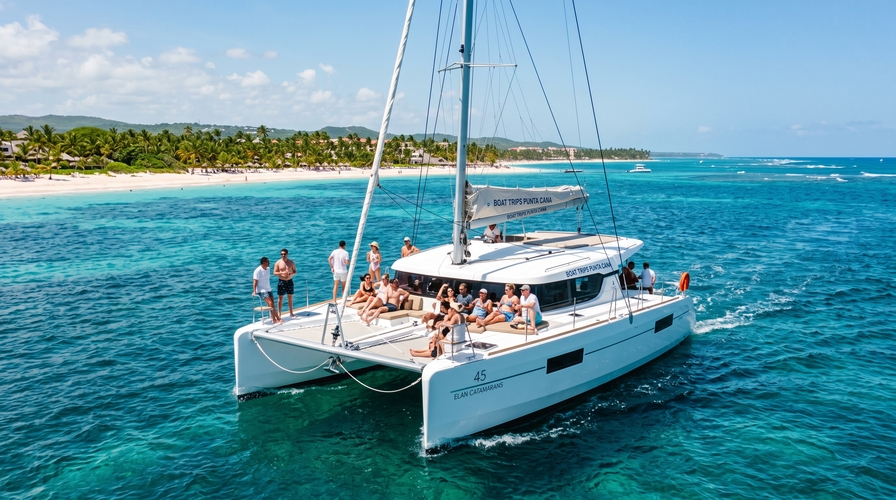
Punta Cana dominates the marine excursion industry. The logistics are frictionless. You do not need to take a ferry or a small charter plane to access world-class boating; the boats leave directly from the beaches in front of the resorts.
The value here is untouchable. If you want a tailored, high-end experience, booking a private catamaran tour in Punta Cana costs a fraction of what you would pay in Nassau. For those demanding ultimate VIP treatment, chartering a luxury yacht in Punta Cana provides customized coastal cruising complete with private chefs and premium liquor.
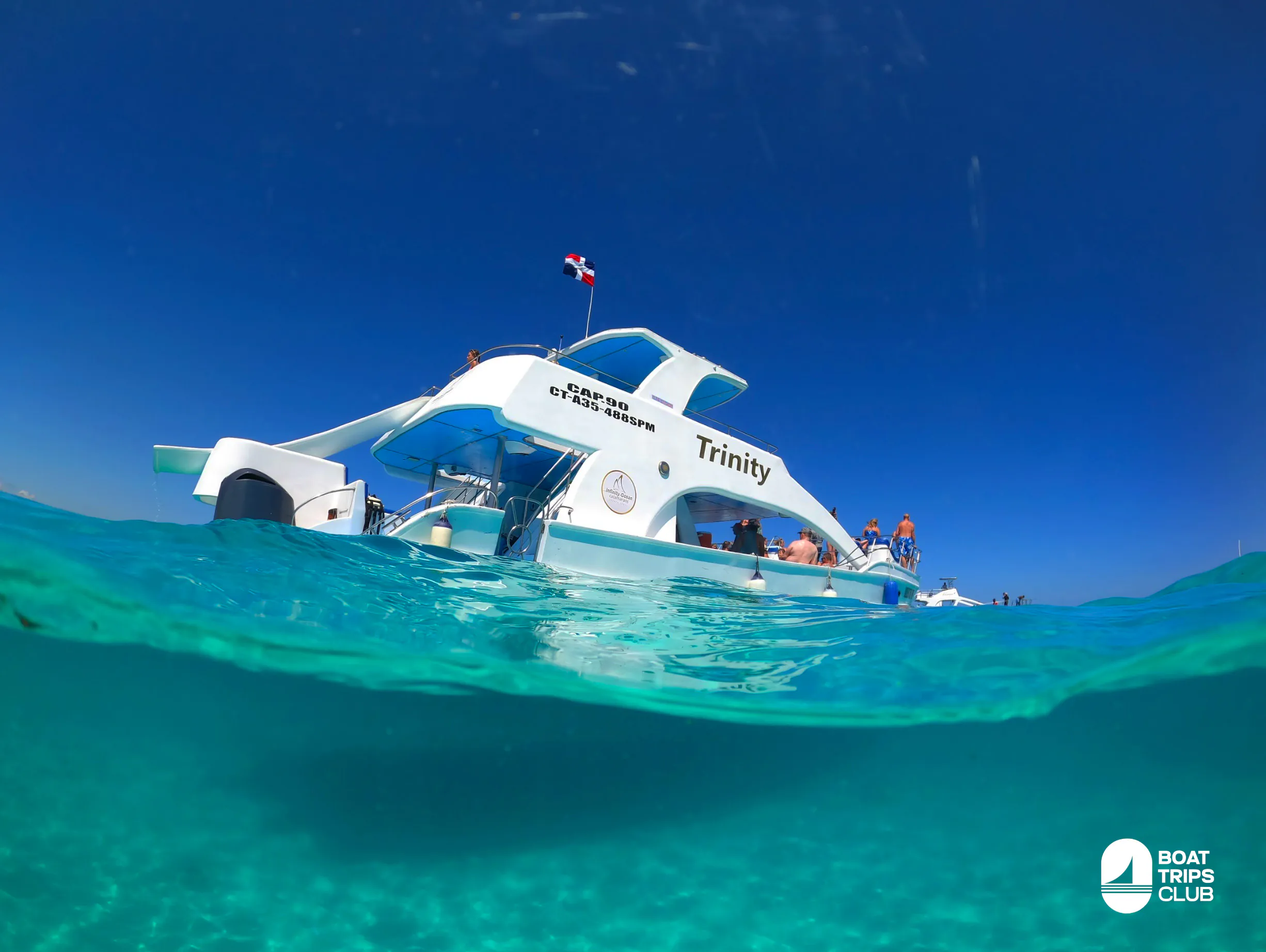
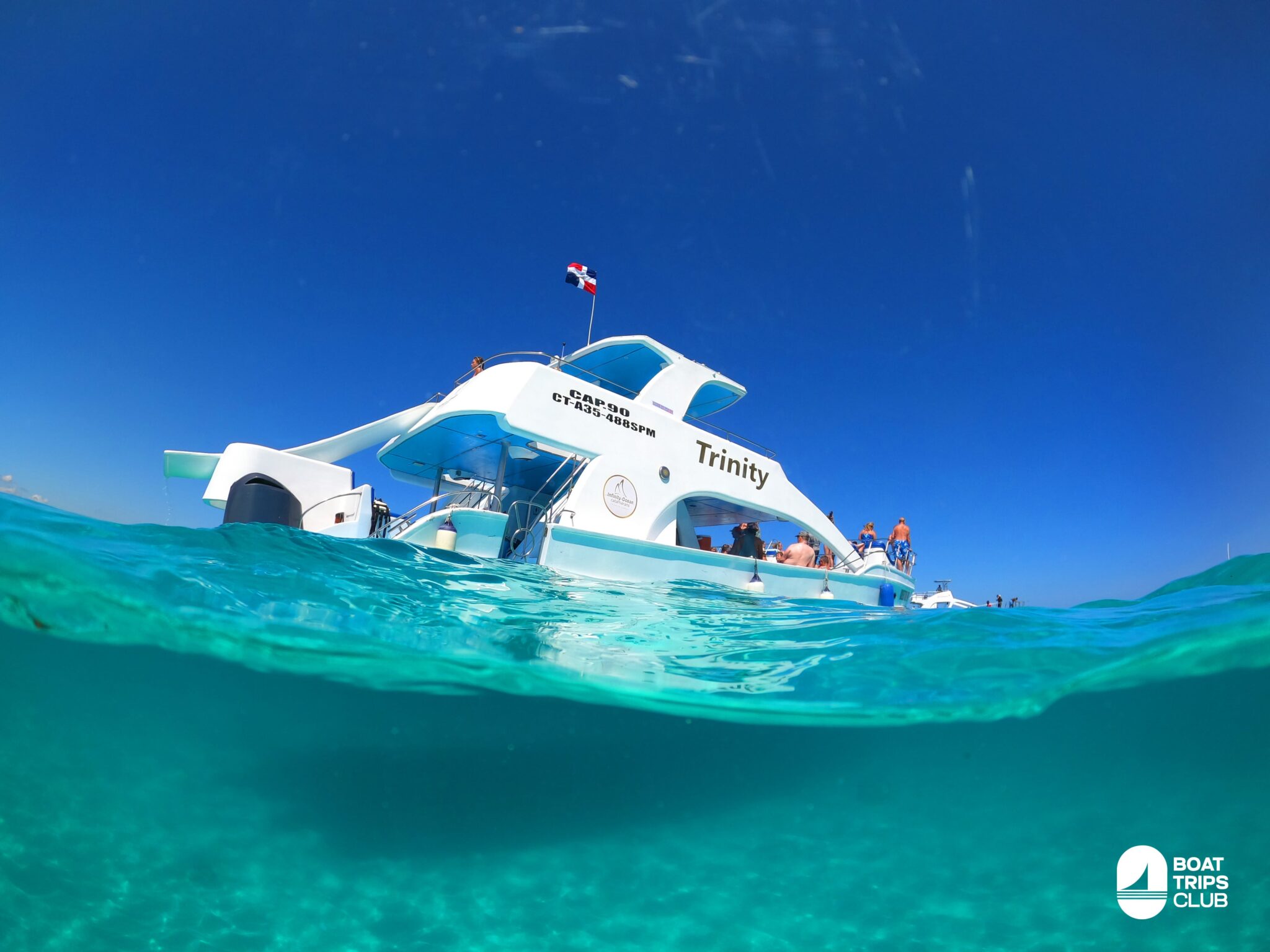
Traveling with a wedding party or corporate retreat? The local infrastructure is built specifically for private party boat charters for large groups, complete with onboard DJs and massive water slides. For underwater enthusiasts, all-inclusive Isla Catalina snorkeling trips offer some of the clearest reef visibility in the DR, while local coastal cruises hit the top snorkeling reefs and local excursions right off the Bavaro coast, including the famous natural swimming pools.

Boating in the Bahamas
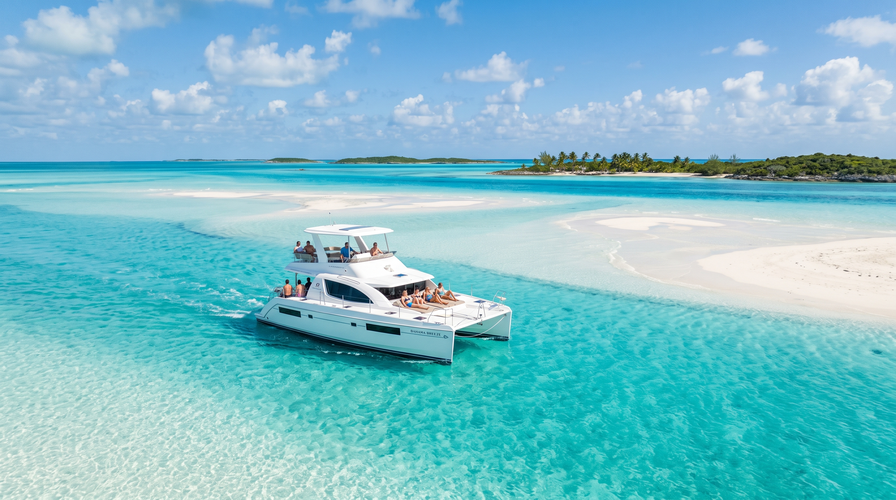
The Bahamas is fundamentally a boating destination, but it requires significantly more effort and cash. The ultimate experience here is island-hopping through the Exumas to see the famous swimming pigs or diving the Andros Barrier Reef. However, these out-island experiences usually require expensive day-long speedboat rides or private puddle-jumper flights from Nassau. It is spectacular, but you must be prepared for the high logistical cost.
Budget Breakdown: Which Destination is More Affordable?
Punta Cana wins the budget war. Period.
Punta Cana Costs
The Dominican Republic operates a robust domestic agricultural and manufacturing economy. Because they produce their own food, rum, and building materials, overhead costs are drastically lower. This translates directly to your wallet. You can book massive five-star resort suites and affordable shared catamaran experiences for the same price as a basic three-star hotel room in the Bahamas.
The Bahamas Costs
The Bahamas imports nearly everything you eat, drink, or use. Because of heavy import taxes and logistical constraints, the cost of living—and vacationing—is notoriously high. Expect premium prices for standard dining, expensive taxi rides, and high baseline costs for any guided water tours.
Travel Logistics & Accessibility
How fast can you get from your living room to the beach?
Flying to Punta Cana (PUJ)
Punta Cana International Airport is a logistical masterpiece. It is the busiest airport in the Caribbean, receiving hundreds of direct flights daily from major U.S., Canadian, and European hubs. The sheer volume of incoming flights drives ticket prices down. Once you land, the resort zones are a quick 15 to 30-minute shuttle ride away.
Flying to The Bahamas (NAS)
Nassau’s Lynden Pindling International Airport is incredibly convenient for East Coast travelers, with flight times from Miami coming in under an hour. However, the Bahamas is heavily dependent on cruise ship tourism. If you are staying in Nassau, expect heavy traffic and crowded port areas when multiple mega-ships are docked.
Safety & Getting Around
Both destinations require standard situational awareness, but their safety infrastructures operate differently.
Is Punta Cana Safe for Tourists?
Yes. The Dominican Republic relies heavily on tourism, and the government protects it aggressively. The resort areas in Bavaro and Cap Cana operate like highly secure bubbles, patrolled by specialized tourist police (POLITUR). While petty theft exists, evaluating if Punta Cana is safe for tourists comes down to staying within vetted excursions and avoiding unlit public beaches late at night. The guided tours here are incredibly secure.
Is the Bahamas Safe?
The Bahamas is generally safe, particularly in the Out Islands where crime is virtually nonexistent. Nassau, however, requires a bit more caution. The U.S. government periodically issues advisories regarding specific neighborhoods in New Providence. We strongly recommend checking the official U.S. State Department travel guidelines before planning your itinerary, sticking to well-lit resort areas, and avoiding isolated streets in downtown Nassau after dark.
Transportation & Driving
Do not rent a car in either destination. In Punta Cana, local driving laws are viewed as loose suggestions, and traffic can be chaotic. Rely strictly on your resort’s official transfer services or highly-rated local tour operators. In the Bahamas, driving is on the left side of the road, and taxi fares in Nassau are notoriously expensive. Pre-book your transfers.
Beyond the Beach: Top Excursions & Nature
You cannot sit on a beach chair for seven days straight. You need action.
Top Punta Cana Excursions
The DR’s massive landmass allows for insane topographical variety. You can spend the morning tearing through muddy jungle trails on ATVs and the afternoon fighting big game pelagics on offshore deep sea fishing excursions. Inland, you can go swimming in the Hoyo Azul cenote, a stunning hidden lagoon with water so blue it looks artificial. For the ultimate day out, booking full-day Saona Island catamaran tour transports you to an undeveloped national park featuring shallow sandbars and thousands of starfish.
Top Bahamas Excursions
Bahamian excursions are strictly aquatic or historical. Lucayan National Park offers incredible mangrove kayaking and underwater cave systems. Blue Lagoon Island provides highly controlled dolphin and sea lion encounters just a short ferry ride from Nassau. The land-based jungle adventures you find in the DR simply do not exist here.
Family Vacation vs. Couples/Honeymoon
Match your specific travel group to the right island infrastructure.
Best for Families
Punta Cana is the undisputed champion for families. The all-inclusive models mean kids have endless access to water parks, dedicated entertainment teams, and unlimited food without you ever reaching for your wallet. The waters in Bavaro are flat and calm, perfect for young swimmers.
Best for Couples & Romance
This is a tie. If you want a massive, adults-only resort with swim-up bars, late-night casinos, and high-energy nightlife, book Punta Cana. If your idea of romance is complete isolation, a private villa, and zero crowds, book a flight to Eleuthera or Exuma in the Bahamas.
Final Verdict: Which Caribbean Paradise Should You Choose in 2026?
If you have an unlimited budget, desire total isolation, and do not mind the logistical effort of small planes and ferries, the Bahamian Out Islands offer unparalleled exclusivity.
However, for 90% of travelers, Punta Cana is the smarter choice. The sheer value of the Dominican Republic’s all-inclusive sector, the flawless logistics of their international airport, and the massive, affordable fleet of private charters make it the ultimate tropical escape. You simply get more vacation for your money.
Ready to experience the crystal-clear waters of the Dominican Republic? Explore our top-rated boat trips and catamaran tours in Punta Cana today!
Frequently Asked Questions (FAQs)
Which is cheaper, Punta Cana or Bahamas?
Punta Cana is significantly cheaper than the Bahamas. The Dominican Republic’s robust local economy keeps the cost of food, excursions, and resort stays low, whereas the Bahamas must import nearly all goods, driving up daily vacation expenses.
Do I need a passport for Bahamas or Punta Cana?
Yes, U.S., Canadian, and European citizens must have a valid passport to enter both the Dominican Republic and the Bahamas. Passports must generally be valid for at least six months beyond your planned date of departure.
Is the water warmer in Punta Cana or the Bahamas?
The water is consistently warmer in Punta Cana. Because the Dominican Republic sits further south toward the equator, ocean temperatures remain perfectly warm year-round, whereas the Bahamas can experience slightly cooler waters during the winter months.