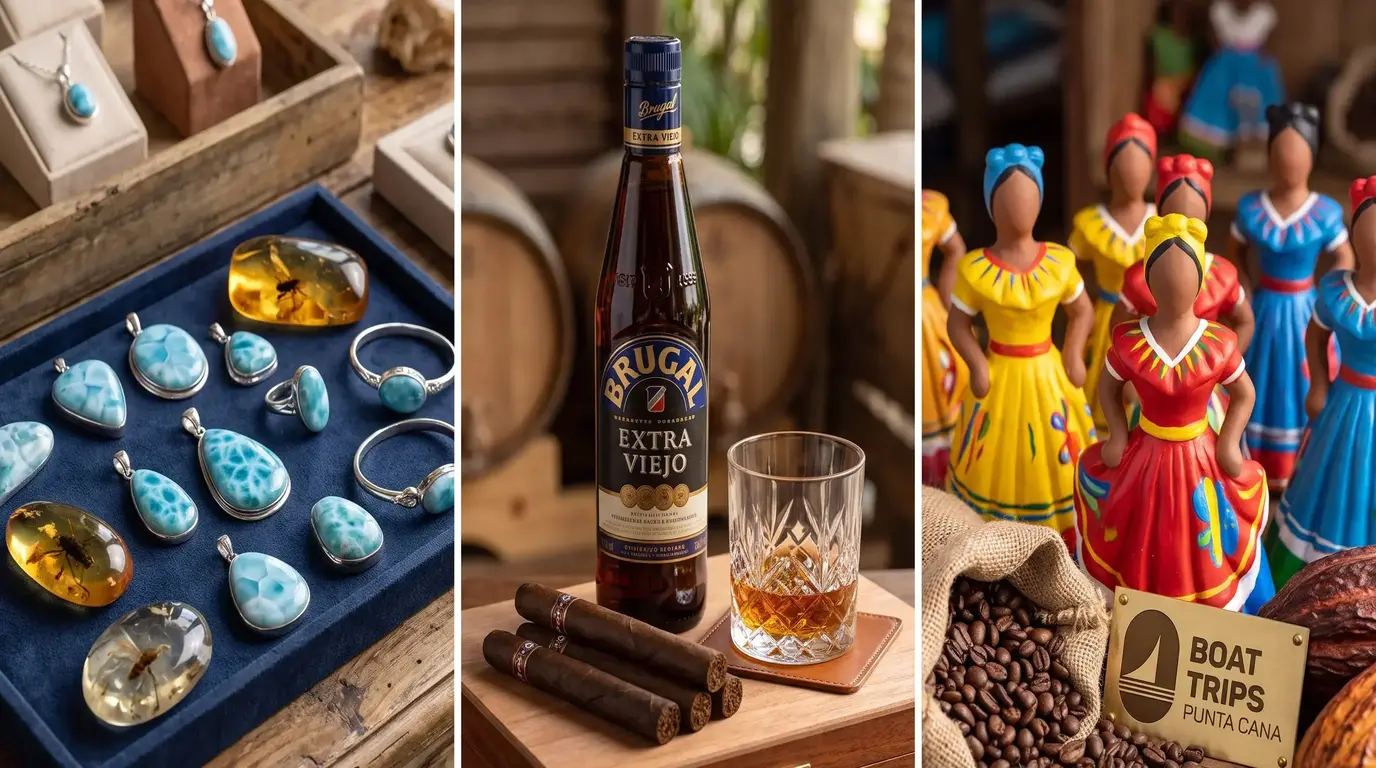
If you are wondering what to buy in Punta Cana, the most authentic Dominican souvenirs include Larimar jewelry, Dominican amber, Mamajuana drink mixes, Cibao coffee, and premium rum. Travelers seeking genuine cultural items rather than mass-produced trinkets should prioritize these local goods to take home a real piece of the Dominican Republic.
When guests step off our vessels after a long day on the water, the first question they ask usually involves shopping. You want concrete memories. You do not want cheap plastic that shatters in your suitcase before you even clear customs.
Booking top-tier boat trips Punta Cana gives you an unforgettable taste of the ocean, but taking home the right physical item locks in that memory forever. Whether you just wrapped up a thrilling private catamaran Punta Cana excursion or spent the afternoon lounging at an all-inclusive resort pool, you will encounter hundreds of eager vendors.
Some sell incredible, handcrafted cultural artifacts. Others push imported, mass-produced fakes. We have navigated these local markets for years and understand exactly how to separate the authentic treasures from the tourist traps.
What to Buy in Punta Cana: The Ultimate Authentic Souvenirs
The Dominican Republic produces highly regulated, culturally significant goods ranging from rare volcanic gemstones to premium organic agriculture. To ensure your money supports actual Dominican artisans, focus exclusively on indigenous minerals, locally grown coffee and cocoa, aged rum, and traditional Taíno crafts.
We know exactly what to look for on the streets of Bávaro and beyond. Here is your definitive, expert buying guide to the best items on the island.
1. Dominican Amber & Larimar Jewelry (The Volcanic Blue Stone)
Is larimar found only in the Dominican Republic? Yes. This rare pectolite mineral formed from ancient volcanic eruptions and exists strictly in the remote, rugged southwestern mountains of Barahona. You will not find it anywhere else on earth.
Miners extract these stones by hand from deep, dangerous shafts in Los Chupaderos. The resulting volcanic blue stone perfectly mimics the shifting, brilliant colors of the Caribbean Sea. When buying, look for AAA-grade pieces, which feature a deep, striking blue color. Lower grades appear pale with heavy white streaks.
Where does Dominican amber come from? It originates directly from the fossilized resin of the extinct Hymenaea protera tree. This unique origin makes Dominican amber incredibly clear. Often, you can easily spot trapped prehistoric insects or leaves preserved inside the stone.
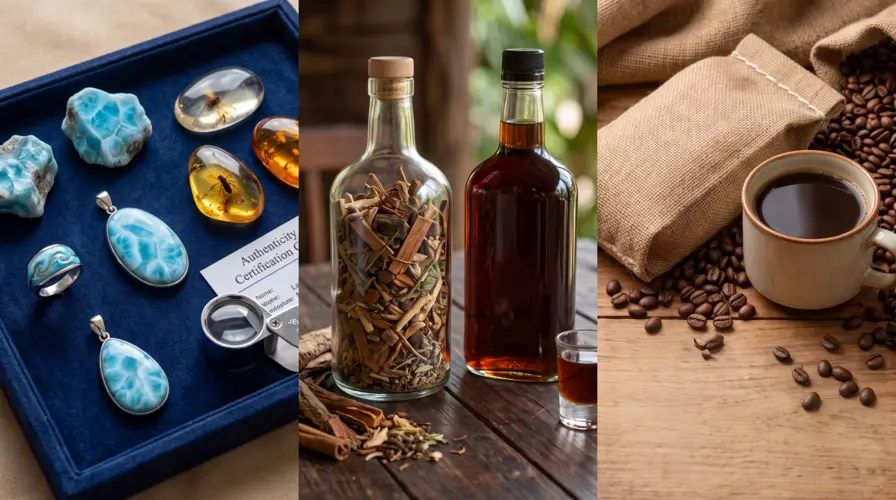
Always demand an official certification card when buying these stones. Fake amber feels heavy and cold, much like standard glass. Real amber feels remarkably warm to the touch and naturally floats when dropped in heavy saltwater. If you are out exploring various catamaran tours Punta Cana, skip the aggressive beach vendors selling stones from plastic bins. Go to a certified, air-conditioned jeweler.
2. Mamajuana Drink: The Island’s Signature Elixir
Every visitor eventually asks: what is mamajuana drink made of? This traditional spiced elixir combines native tree bark, roots, and potent local herbs.
Locals stuff this dry mixture into a glass bottle and soak it in a heavy, dark blend of rum, red wine, and raw local honey. Dominicans swear by its powerful medicinal properties. It packs a massive, fiery punch and acts as a fantastic digestif after a heavy dinner of rice and beans.
If you want to bring it home, buy the dry roots rather than the heavy liquid version. This completely bypasses the strict liquid weight limits and security restrictions in your checked bags. Just add your own preferred rum and wine when you get back home. Taking a sealed bottle of dry roots back makes an excellent, unique gift, especially if you plan a Saona Island day trip and want a conversation starter from the mainland markets before flying out.
3. Dominican Coffee & Cibao Coffee Beans
Looking for the best coffee brands to bring back from the Dominican Republic? Café Santo Domingo hits the absolute top of the list for most local households and restaurants.
The rich, low-acid beans grow primarily in the high-altitude, nutrient-dense Cibao region. The specific soil chemistry creates a unique flavor profile. It carries heavy, distinct notes of raw chocolate and wet earth. It makes a brilliant, incredibly smooth morning brew that requires zero sugar.
Skip the airport shops completely. They mark up the prices astronomically. Buy your coffee bags directly from local supermarkets like Super Pola or Jumbo to secure standard local pricing. If you are staying at one of the best family resorts in Punta Cana, grab a quick taxi down to the local grocery store. It saves you a massive markup and guarantees freshness.
4. Premium Dominican Cocoa and Chocolate
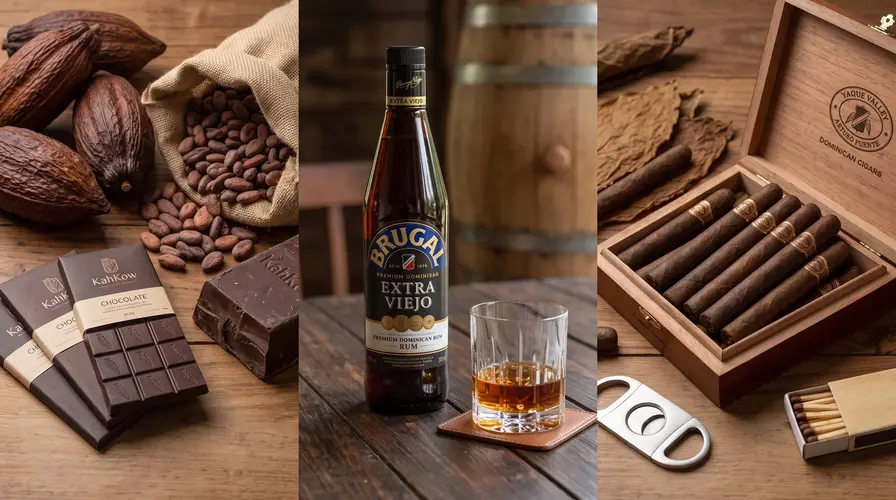
The Dominican Republic currently ranks among the top global exporters of fine, organic cocoa. You get raw, completely unadulterated chocolate here straight from the source.
Grab a few heavy blocks of raw cocoa for baking or making traditional hot chocolate. You will notice the rich, bitter difference immediately compared to heavily processed, wax-filled American or European candy brands.
Look specifically for premium brands like KahKow. They offer incredibly rich, single-origin bars that highlight the exact local farm where the beans grew. If you are looking for engaging things to do in Punta Cana with kids, visiting a local chocolate factory tour or buying these raw cocoa balls keeps them highly entertained and provides a fantastic sugar rush.
5. Brugal Extra Viejo & Premium Dominican Rum
If you need the absolute best Dominican rum to bring home as a souvenir, look straight at Brugal Extra Viejo or Barceló Imperial. The rum distillation process here uses incredibly strict local regulations regarding oak barrel aging.
The intense tropical climate actually accelerates the aging process of the rum compared to Scottish whisky stored in freezing cellars. The final result? A smooth, heavy, oak-aged liquor that actively rivals top-tier, expensive whiskies. It drinks perfectly neat or poured over a single, massive ice cube.
Pack the bottles tightly right in the dead center of your checked luggage. Sipping a heavy glass of Brugal perfectly reminds you of that flawless sunset cruise Punta Cana long after you leave the island. Wrapping the heavy glass bottles in thick beach towels prevents ugly transit disasters in the cargo hold.
6. Hand-Rolled Dominican Cigars
Cuban cigars get all the heavy media hype, but Dominican cigars quietly dominate the actual premium tobacco market worldwide. The nutrient-dense, loamy soil of the Yaque Valley produces spectacular, deeply flavorful tobacco leaves.
Massive, globally recognized operations like Arturo Fuente and Romeo y Julieta maintain huge, bustling factories here. They control the filler, binder, and wrapper process with absolute precision.
Do not buy cigars from guys walking the sandy beaches. They usually sell incredibly dried-out, counterfeit tobacco wrapped in cheap banana leaves. Check the foot of the cigar for tight, even packing. Go directly to a climate-controlled cigar lounge to ensure proper humidity, storage, and genuine authenticity.
7. Limé Dolls (Authentic Faceless Dolls)
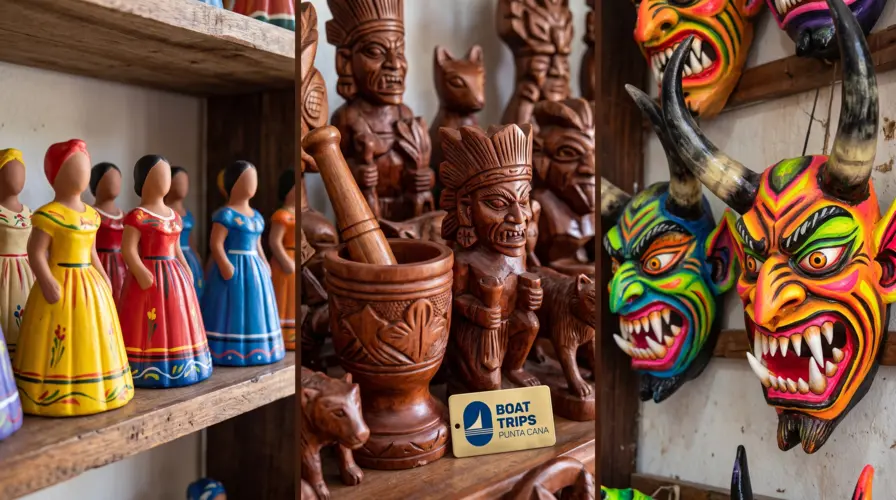
These iconic ceramic figures completely lack facial features for a very specific, deeply historical reason. The authentic faceless dolls Dominican Republic history traces back to 1981, originally created by master sculptor Liliana Mera Limé.
They represent the heavy, beautiful mixture of African, European, and Indigenous Taíno bloodlines present in the modern Dominican people. The figures wear traditional, sweeping dresses painted in bright yellows, reds, and blues.
By leaving the face completely blank, the dolls signify that there is no single, definable “Dominican face.” They make an incredible, culturally rich gift that sits beautifully on a living room shelf.
8. Taíno Art and Mahogany Carvings
Long before brutal Spanish colonization, the indigenous Taíno people completely ruled this island. Their tribal art lives on through heavy, intricately carved mahogany wood pieces depicting fierce gods, local animals, and daily village life.
You can easily find detailed wooden mortars and pestles, large desktop sculptures, and beautiful wall hangings in the artisan markets.
Verify that you are buying real, solid wood and not cheap, poured resin casts meant to fool tourists. Real mahogany feels incredibly heavy and dense in your bare hands. It carries a distinct, natural, earthy scent.
9. Traditional Dominican Carnival Masks
February brings the massive, island-wide Dominican Carnival. The terrifying Diablo Cojuelo (limping devil) masks define the entire chaotic celebration.
These vibrant, papier-mâché masks feature massive horns, sharp animal teeth, and aggressive neon colors. Local artists in regions like La Vega take weeks to painstakingly construct and paint a single mask.
Hanging one of these on your living room wall instantly sparks a conversation. They boldly represent a fierce, historical blending of Spanish religious traditions and deep African folklore.
10. Macadamia Nuts & Local Spices
While definitely not the first thing people think of when visualizing the Caribbean, the DR produces fantastic, rich, buttery macadamia nuts.
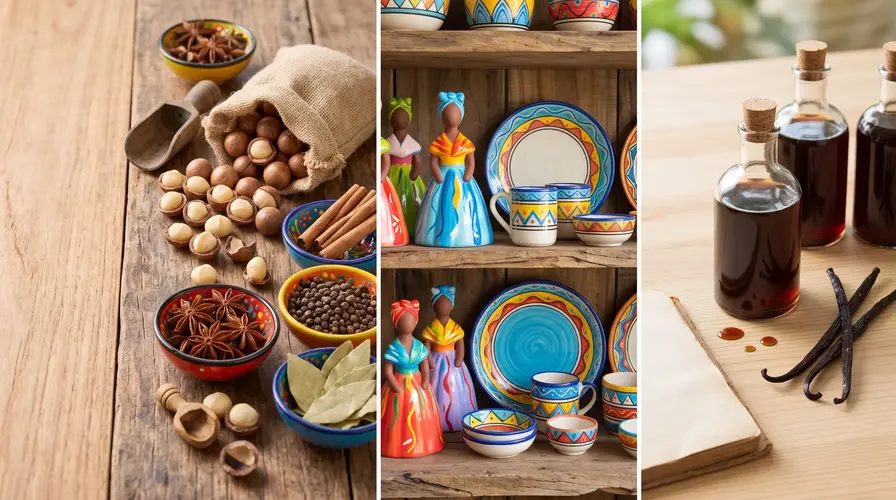
You should also load up your bags with raw, fresh local vanilla, massive cinnamon sticks, and dried oregano. Dominican oregano carries a much stronger, earthier, almost spicy bite than the standard Mediterranean variety you buy at home in the plastic shakers.
It totally transforms a simple roasted chicken. Plus, small bags of spices are incredibly cheap, lightweight, and take up almost zero room in your luggage.
11. Hand-Painted Ceramics & Pottery
Bright, aggressive geometric patterns completely dominate local Dominican pottery. Heavy plates, deep serving bowls, and thick coffee mugs painted in vibrant Caribbean blues and yellows make excellent, highly functional souvenirs.
You can actually use them every single day in your kitchen rather than letting them collect dust on a display shelf.
Just make sure you have solid bubble wrap on hand. Throwing these fragile ceramics straight into a soft suitcase without structural protection guarantees you will open a depressing bag of colorful dust when you finally get home.
12. Local Dominican Vanilla Extract
Bakers absolutely love this specific stuff. The vanilla extract produced here uses a completely different alcohol base than standard, heavily regulated US brands.
This unique process gives the liquid a significantly darker, almost black color and a much richer, heavier, intoxicating aroma. It elevates cookies and cakes instantly.
Even better, it costs a mere fraction of what you pay back home for pure, unadulterated extract. Buy the larger plastic bottles at local grocery stores rather than the tiny, heavily marked-up tourist glass vials at the resort gift shops.
13. Guayabera Shirts (Traditional Linen)
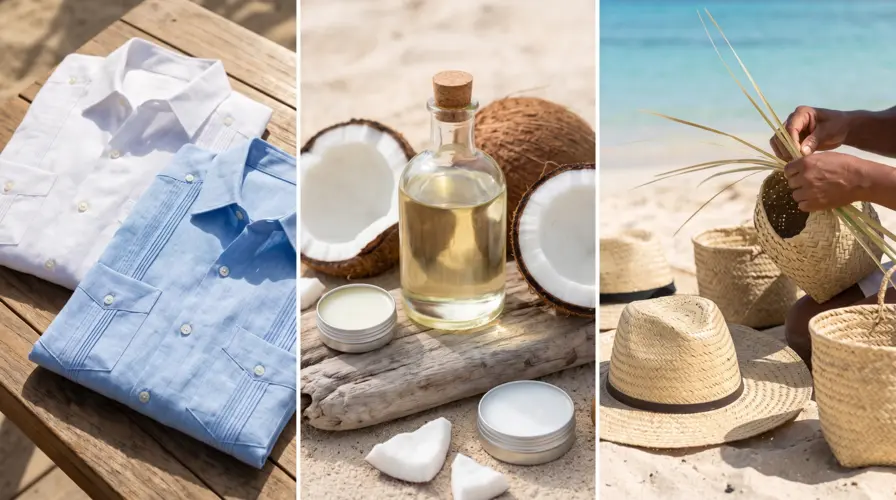
The Guayabera remains the absolute classic Caribbean formal shirt. Characterized by two or four front pockets and tight vertical pleats (called alforzas), it breathes exceptionally well in the heavy tropical humidity.
A high-quality, perfectly tailored linen Guayabera beats a cheap cotton tourist t-shirt every single time.
They look razor-sharp for fancy dinners out and keep you incredibly cool under the harsh, beating sun. Always check the inner collar tags to ensure you are buying 100% pure linen rather than a sweaty, uncomfortable polyester blend.
14. Organic Coconut Oil & Skincare
Massive, towering coconut palms cover the entire eastern coast of the island. Naturally, locals produce massive amounts of pure, cold-pressed, organic coconut oil.
It works absolute wonders for soothing bad, peeling sunburns, heavily moisturizing dry saltwater-damaged hair, and even basic kitchen cooking.
Look for the completely unrefined, raw bottles sold casually in local pharmacies or natural health stores. It actually solidifies naturally in cold weather, which immediately proves its lack of chemical additives and high purity.
15. Woven Palm Leaf Baskets and Hats
Local, highly skilled artisans weave these durable goods directly on the sandy beaches while you watch. A wide-brimmed, tightly woven palm leaf hat protects your neck and shoulders from the harsh UV rays much better than a standard, flimsy baseball cap.
Plus, it costs next to nothing and puts cash directly into the hands of the local vendors working hard in the heat.
You can confidently wear it while exploring the beautiful shores of playa blanca Punta Cana or pack the smaller, intricately woven baskets to hold your keys and jewelry back home.
Where to Buy Authentic Souvenirs in Punta Cana
Knowing what to buy in the Dominican Republic is only half the battle. Knowing exactly where to hand over your cash ensures you do not get scammed with cheap imports.
Where to buy authentic larimar jewelry in Punta Cana? Skip the aggressive beach vendors completely. Stick strictly to certified jewelers located inside major shopping centers. The Official Dominican Republic Ministry of Tourism highly recommends verifying authenticity certificates before dropping big money on rare, expensive stones.
If you want to practice your Spanish and aggressively haggle, head straight to the chaotic local outdoor markets. If you prefer fixed, scan-tag prices and blasting air conditioning, stick to the modern malls. Exploring and navigating these various shops is honestly one of the best free things to do in Punta Cana on a rainy afternoon when the beach gets washed out.
No matter which best area to stay in Punta Cana you choose for your vacation, you will find these top shopping locations nearby.
| Souvenir Type | Estimated Cost | Best Local Market or Boutique for Purchase |
| Larimar & Amber Jewelry | $$$ ($50 – $500+) | Harrison’s Fine Caribbean Jewelers, BlueMall |
| Mamajuana (Dry Roots) | $ ($10 – $20) | San Juan Shopping Center, Macao Beach Stalls |
| Dominican Rum & Coffee | $ ($15 – $40) | Supermercado Nacional, Super Pola, Jumbo |
| Premium Rolled Cigars | $$ ($20 – $150) | Don Lucas Cigars, Cabinet Cigar Lounge |
| Limé Dolls & Wood Crafts | $$ ($15 – $60) | Mundo Autentico, Plaza Bávaro Artisan Market |
| Local Spices & Vanilla | $ ($3 – $10) | Local Grocery Stores (Avoid resort gift shops) |
Learning exactly what language is spoken in Punta Cana (Spanish) and practicing basic, confident phrases like “¿Cuánto cuesta?” (How much does it cost?) gives you massive leverage and respect when negotiating prices at Plaza Bávaro.
Souvenirs to Avoid in Punta Cana (What Not to Bring Back)
What souvenirs should you not buy in Punta Cana? You must strictly avoid any items made from sea turtle shells, black coral, conch shells, and specific exotic parrot feathers. These are illegal souvenirs to bring back from the Dominican Republic. Purchasing them will result in massive fines or outright confiscation by international customs agents under strict wildlife protection laws.
We take ocean conservation incredibly seriously on our boats. Coral reef protection matters intensely to the local economy and the fragile marine ecosystem. Buying dried starfish or ripped coral chunks actively destroys the marine environment we all rely on.
Without healthy, vibrant, living reefs, incredible experiences like a high-speed deep sea fishing Punta Cana charter or a relaxing, scenic private Saona Island & Palmilla catamaran tour would completely vanish. The fish need the reefs to survive, and we need the fish to keep the ocean balanced.
Similarly, if you book a standard catamaran Isla Saona trip, or venture out toward the northern coast on a catamaran Puerto Plata excursion, you will likely see locals pushing huge, polished pink conch shells. Leave them on the beach.
Taking them across international borders violates major environmental treaties. Always verify the legality of animal products through CITES (Convention on International Trade in Endangered Species) before you buy anything made from a living creature.
Buy the rich coffee. Buy the aged rum. Enjoy the brilliant Larimar. But leave the wildlife exactly where it belongs—in the ocean.