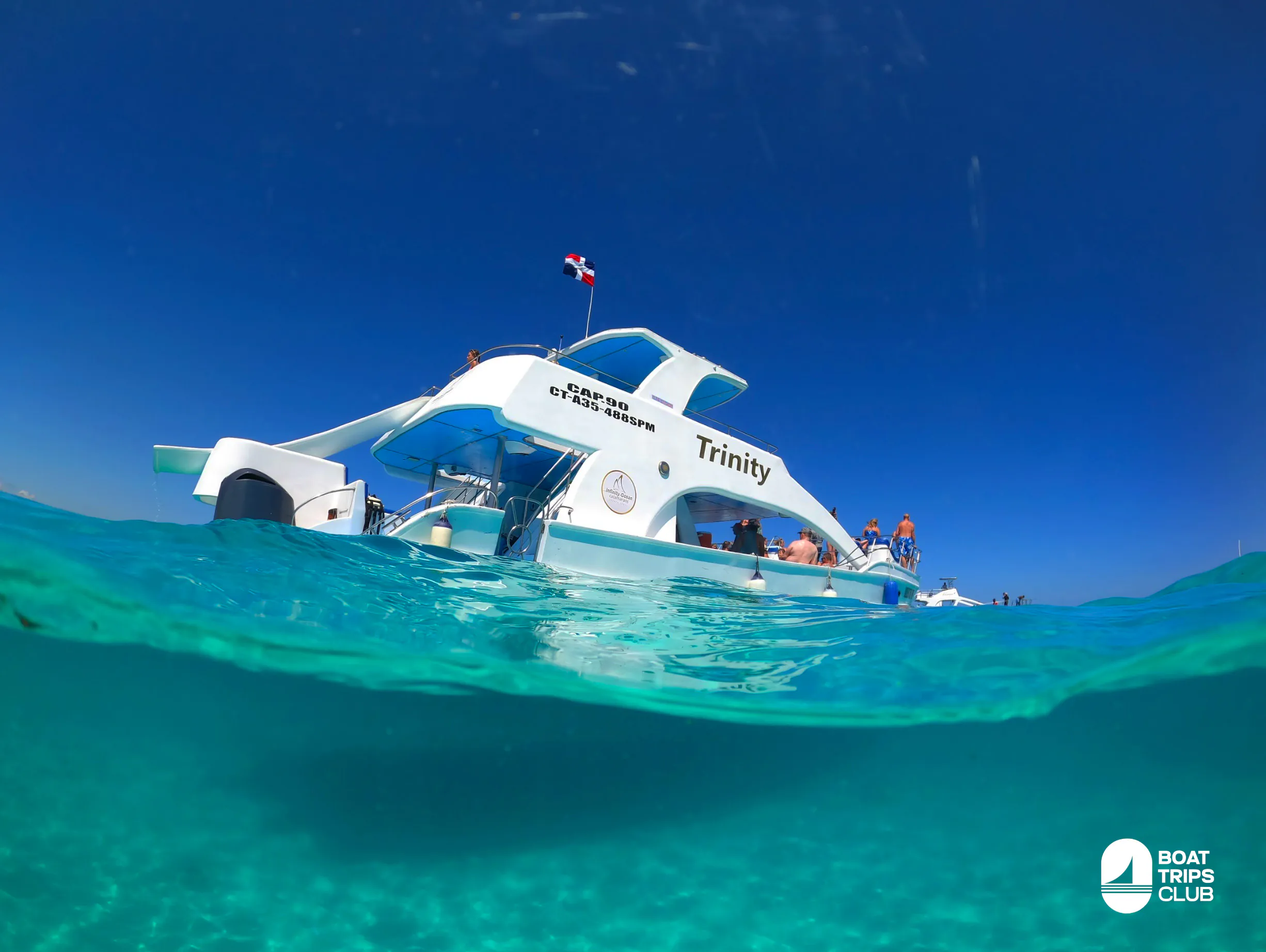
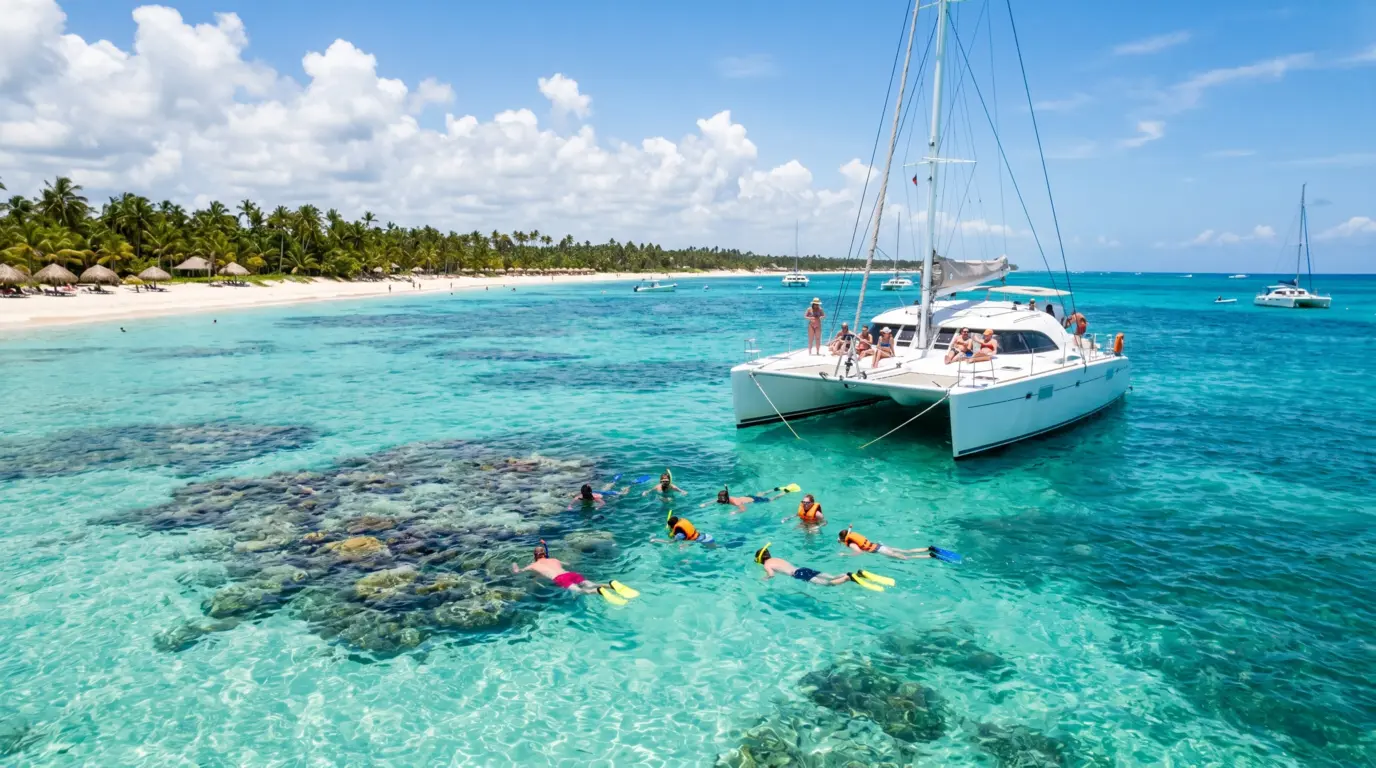
Forget the crowded, shoulder-to-shoulder sunbeds. If you are looking for that specific slice of Dominican coastline where the palm trees physically bend over calm, glassy water, you’ve found it. Welcome to Cabeza de Toro.
This distinct neighborhood on the eastern coast of the Dominican Republic operates at a totally different frequency than the rest of the major tourist zones. It’s significantly quieter. It feels vastly more connected to the ocean. Here, you hear the sharp slap of saltwater against catamaran hulls in the local marina rather than the thumping bass of a mega-resort nightclub.
However, finding accurate, ground-truth information about this specific stretch of sand online is frustratingly difficult. Major travel aggregators routinely post wildly incorrect driving times, and outdated blogs constantly blur the lines between here and the chaotic central districts.
We are setting the record straight. As local mariners who navigate these exact coastal waters daily, we’re handing you the definitive, no-nonsense guide to visiting, staying, and exploring Cabeza de Toro.
What Is Cabeza de Toro? (And Where Exactly Is It?)
Cabeza de Toro is a coastal neighborhood and certified Blue Flag beach situated on the eastern tip of the Dominican Republic. It sits exactly 15 kilometers (a 16-minute drive) northeast of Punta Cana International Airport, positioned securely between the active Bávaro coastline and the Punta Cana Ecological Reserve.
Let’s clear up a massive internet rumor right now. If you plug the name into certain map apps or read generic travel forums, you might see claims that it’s a grueling three-and-a-half-hour drive from the airport near a municipality called Baní. That is entirely false. You’re practically touching down on the tarmac at PUJ and grabbing a rum cocktail on the sand in under twenty minutes.
This beach isn’t just visually stunning; it’s heavily regulated. It consistently holds a prestigious international certification from Blue Flag Global, meaning the water quality, environmental management, and safety standards are rigorously tested and upheld year-round.
Why is the water here so different from the rest of the island? Pure geography. A massive offshore reef system breaks the heavy, aggressive Atlantic ocean swells miles before they ever reach the shoreline. The result? A massive, waist-deep natural swimming pool. You aren’t fighting aggressive undertows here. You’re simply floating.
Cabeza de Toro vs. Bávaro Beach: Which is Better?
You’re likely weighing your options right now. Bávaro Beach is the undisputed heavyweight champion of Dominican tourism. It’s massive, packed with mega-resorts, and vibrates with constant, frantic energy. But bigger doesn’t automatically mean better for your specific vacation style.
We usually tell our charter guests: if Bávaro is the massive block party, Cabeza is the exclusive VIP lounge.
| Feature | Cabeza de Toro | Bávaro Beach |
| Overall Vibe | Quiet, relaxed, maritime-focused | Energetic, crowded, party-heavy |
| Wave Action | Extremely calm (protected natural pool) | Moderate to heavy Atlantic surf |
| Snorkeling Quality | Excellent (direct offshore reef access) | Fair (requires boat transit to reefs) |
| Drive Time from PUJ | 15 – 20 Minutes | 25 – 35 Minutes |
| Core Activities | Yacht charters, fishing, relaxing | Parasailing, beach bars, nightlife |
If you want to walk out of your hotel room and immediately hop into a buzzing beachfront nightclub, book Bávaro. But if your goal is to wake up, sip strong Dominican coffee while staring at undisturbed horizon lines, and board a yacht by 9:00 AM, you belong further south. The geographic layout naturally filters out the heavy foot traffic. You won’t have roaming vendors interrupting your afternoon nap every five minutes.
Top Things to Do in Cabeza de Toro
Don’t mistake “quiet” for “boring.” This area serves as the primary nautical hub for the entire region. Your days here are dictated by the tides, the wind speed, and exactly how much adrenaline you want to burn.
World-Class Water Sports & Natural Pools
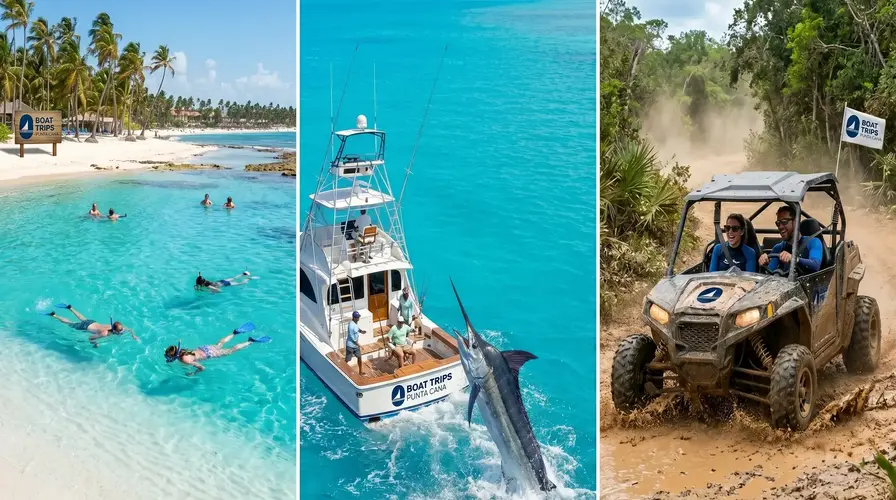
Get out on the water. That is the entire point of traveling to this specific coastline. You won’t find a better launch point for ocean excursions anywhere else in the province. If you’re looking to book boat trips Punta Cana, this marina is absolute ground zero.
Because the reef barrier creates those glassy, transparent waters, the snorkeling right off the shore is genuinely spectacular. You’ll float face-down above intricate brain corals, dodging fast-moving schools of blue tangs and yellowtail snappers. The water clarity on a windless morning? Absolute perfection.
Want to significantly upgrade the experience? Booking private catamaran tours Punta Cana allows you to completely bypass the loud, crowded party boats. You dictate the pace. Your captain will drop anchor at the Marinarium or the remote sandbars on your exact schedule. You get the pristine ocean views without fighting for elbow room at a floating bar.
Deep-Sea Fishing & Catamaran Excursions
Just past that protective reef, the ocean floor plummets. Welcome to premier sport fishing territory. The nearby Mona Passage funnels massive pelagic fish directly past the coastline. Booking a dedicated deep sea fishing Punta Cana tour puts you strapped into a fighting chair hunting heavyweights like blue marlin, wahoo, and aggressive bull mahi-mahi. You’ll hear the screaming drag of the reel before you even see the fish break the surface.
Prefer a completely different island vibe? You can easily pivot your itinerary south toward the Caribbean Sea. We highly recommend chartering a private Saona Island catamaran tour to experience completely untouched, powdery white sands. The color contrast between the Atlantic side and the Caribbean side is stunning.
Alternatively, if you want something slightly more structured and budget-friendly for a group, a shared Catalina island snorkeling tour gives you incredible wall-diving and reef access. The best part? Most of these premium maritime operations will arrange comfortable, air-conditioned transport directly from your resort lobby.
Land-Based Eco-Adventures
You don’t have to stay wet the entire trip. The area directly inland from the beach features rugged, dense jungle trails. Mud-splattered dune buggy tours tear through these dirt paths daily. It’s loud, messy, and incredibly fun.
You’ll grip the steering wheel, blast through massive mud puddles, and taste the kicked-up dust in the air. Many of these trails weave right near the edge of the local ecological reserves, offering a stark, wild contrast to the perfectly manicured resort lawns you left behind.
Best Cabeza de Toro Accommodations: From Luxury Resorts to Villas
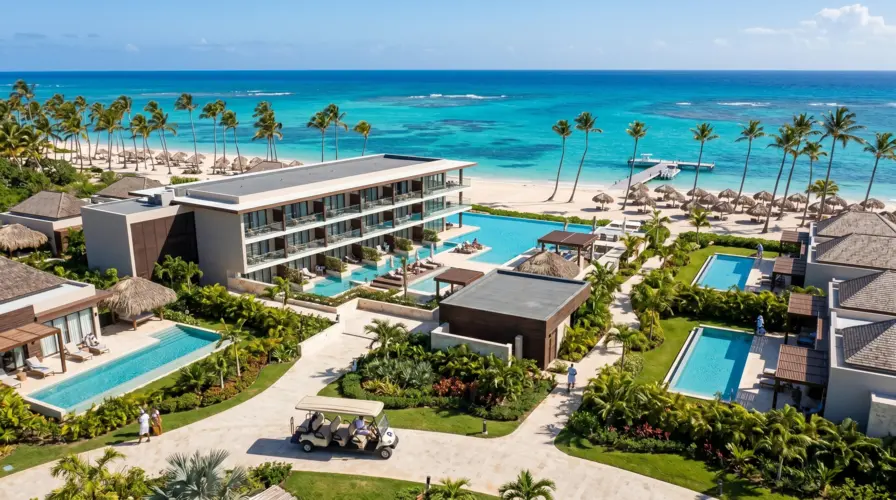
Where you sleep heavily dictates your vacation experience. The coastline here physically splits into distinct zones. The southern end stays remarkably quiet and isolated, leaning heavily into high-end luxury. The northern stretch packs in a bit more action and caters primarily to larger family groups.
If you’re actively mapping out the best area to stay in Punta Cana, this specific beach deserves your attention. Couples usually drift toward the premium, adults-only sections of resorts like Catalonia Royal Bavaro. The service is sharp, the pools are silent, and the drinks are strong. In fact, if you’re comparing things to do in Punta Cana for adults, starting your morning in a quiet luxury villa here beats fighting for a breakfast table in the noisy central hotel zones every single time.
On the flip side, families might prefer the energetic atmosphere of the Be Live Collection or the Dreams Palm Beach properties. These spots compete aggressively with heavy hitters like Arena Gorda beach or the pristine stretches of Playa Blanca Punta Cana for the title of the absolute best family-friendly sand in the country. They offer kid’s clubs, shallow wade-in pools, and incredibly easy access to local marine parks.
Getting There: Transportation from PUJ and Beyond
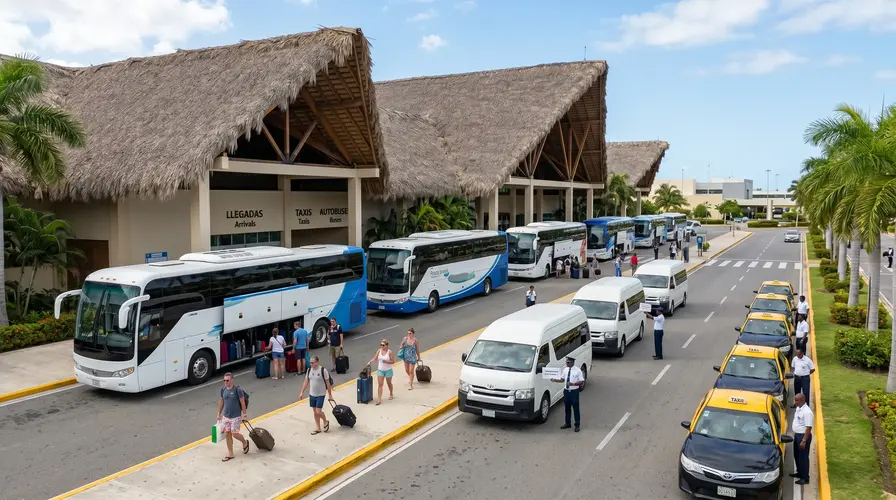
You smell the heavy salt air the second you step out of the airport transfer van. It’s thick and warm. Getting to this paradise is incredibly straightforward, but you need to know the local logistics.
Punta Cana International Airport (PUJ) sits just a quick sprint down Highway 105. However, do not rely on hailing an Uber directly from the arrivals terminal. Local taxi unions heavily restrict ride-share apps from picking up directly at the airport curbside.
Your absolute best move? Pre-book a private VIP transfer through your resort or tour operator. You’ll bypass the chaotic taxi negotiation lines, step into an air-conditioned SUV, and be staring at the ocean in under twenty minutes. Once you are settled in your resort, walking along the beach or utilizing the safe, scheduled hotel shuttles is the easiest way to navigate the local area.
When is the Best Time to Visit Cabeza de Toro, Punta Cana?
Timing your trip correctly changes absolutely everything. We’ve seen tourists arrive in mid-September, completely surprised by a sudden, aggressive tropical squall that washes out their afternoon charter. Generally, late November through late April brings the absolute best conditions. The heavy humidity drops off. The ocean flattens out perfectly, creating those mirror-like surface conditions you see in the brochures.
Before finalizing your flights, you should always cross-reference the National Hurricane Center (NHC) data, especially if you plan to travel during the late summer Caribbean weather patterns. The Atlantic swell can occasionally push Sargassum seaweed onto the eastern shores between June and August. The local resorts work relentlessly with heavy machinery to clear it daily, but nature remains unpredictable.
Need a few essential Punta Cana travel tips from the locals? Bring plenty of small USD bills for tips. While the Dominican Peso (DOP) is the national currency, USD is universally accepted—and often preferred—by bartenders, marina staff, and taxi drivers.
If you’re planning out your things to do in Punta Cana with kids, definitely pack high-quality rash guards. The midday UV index bouncing off that white powdery sand is intense, and sunscreen alone often fails during a three-hour snorkel trip.
Finally, never buy your cigars or vanilla extract directly on the beach from wandering vendors. If you want authentic Punta Cana souvenirs, head to a verified local shop inland. You’ll avoid counterfeit goods and get a far better price on real Dominican tobacco.
Frequently Asked Questions
What does Cabeza de Toro mean?
Cabeza de Toro literally translates to “Head of the Bull” in Spanish. Local fishermen named the area centuries ago because the exact shape of the coastline, combined with the protective offshore reef system, supposedly resembles a bull’s head with horns when viewed from high above.
What currency is used in Cabeza de Toro?
The official currency of the Dominican Republic is the Dominican Peso (DOP). However, virtually every resort, marina, and local vendor in this tourist zone readily accepts United States Dollars (USD). We strongly recommend carrying $1 and $5 USD bills for tipping service staff and excursion guides.
How far is Cabeza de Toro from Punta Cana?
It is extremely close and convenient. The beach is located roughly 15 kilometers (about 9.3 miles) from Punta Cana International Airport (PUJ). A standard taxi or pre-arranged private shuttle ride takes exactly 15 to 20 minutes, depending entirely on resort gate security traffic.