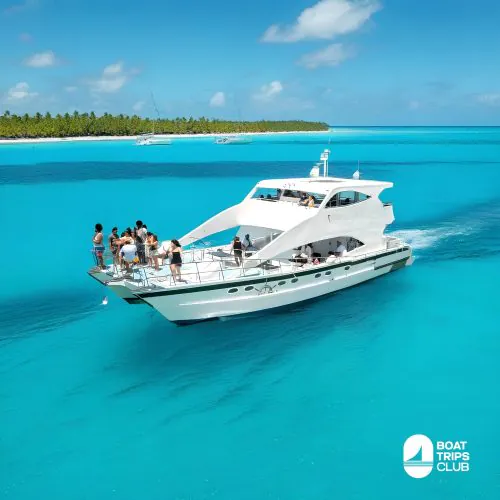
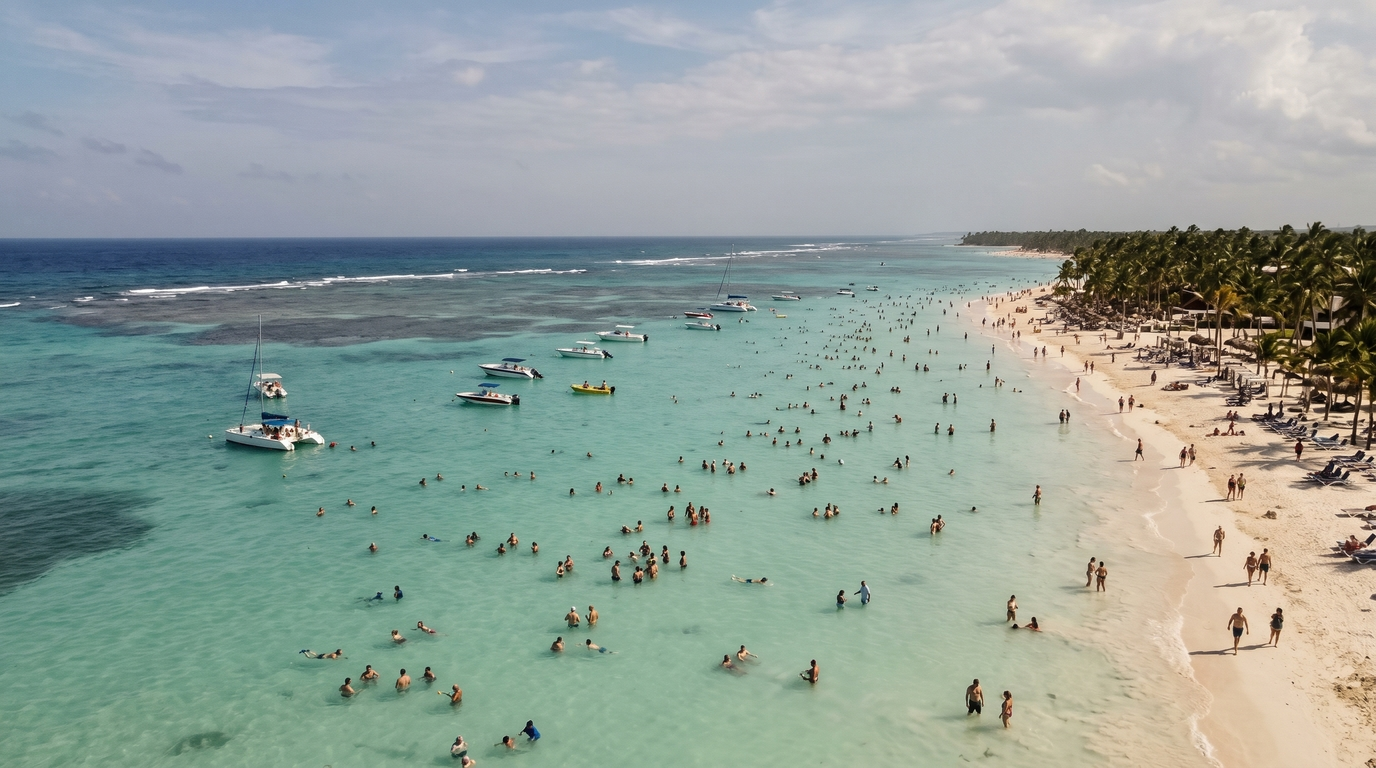
Quick Overview: Wondering about shark safety before heading to the Caribbean? It’s a totally normal question. But here’s the truth: shark encounters at Punta Cana beaches are incredibly rare. A massive offshore coral reef acts as a natural physical barricade that keeps large ocean predators miles away in deep water. Families, swimmers, and snorkelers can safely enjoy these warm, shallow coastal waters with practically zero risk of an unprovoked shark encounter.
You just booked your dream vacation. Your flights are set. The hotel confirmation is sitting in your inbox. Then, right as you start looking up ocean temperatures, that one nagging question creeps into your mind. Are there sharks out there?
Honestly, almost everyone asks it. We’ve all seen the movies. We’ve all scrolled past those viral drone videos on social media. Suddenly, the thought of actually stepping into the ocean feels a little nerve-wracking. Let’s clear the air right now. When you actually look at the reality on the ground down here in the Dominican Republic, the fear simply doesn’t line up with the facts.
Learning just a few basic Punta Cana facts about our local marine geography changes the whole picture. Once you see exactly how this coastline is structured underwater, you’ll realize the resort beaches here rank among the absolute safest swimming environments in the entire Caribbean.
If you are trying to plan a trip to Punta Cana that involves plenty of time in the water, you are in extremely safe hands. Let’s break down exactly why you don’t need to worry.
The Short Answer: Do You Need to Worry About Sharks in Punta Cana?
Shark encounters at Punta Cana beaches are incredibly rare. The shallow coastal waters and massive natural coral reef system create a highly effective protective barrier. Swimmers, snorkelers, and families have practically nothing to worry about when enjoying the ocean here.
When you’re trying to figure out Punta Cana what to expect in terms of marine safety, cross shark attacks off your list right now. The vast majority of people visiting the Dominican Republic will never see one. The folks who do spot them? They’re usually paying good money for specialized, deep-water diving trips just to catch a glimpse miles offshore. The local beaches are shallow, packed with people, and completely calm. Sharks want absolutely nothing to do with those conditions.
The Natural Shield: How Punta Cana’s Coral Reef Protects Swimmers
To figure out why the beaches are so remarkably safe, you have to look under the surface. Punta Cana isn’t just an open drop-off into the wild Atlantic. The entire coastline, stretching miles down past Cap Cana, is wrapped in a massive, sprawling coral reef system.
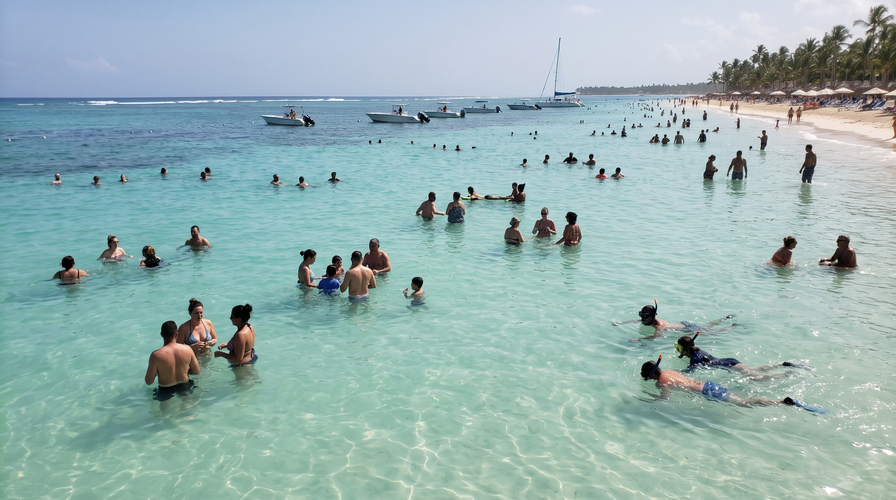
Think of this reef like a submerged fortress wall. It breaks the heavy ocean waves miles away from the sand, creating those calm, crystal-clear, waist-deep lagoons you see in all the travel brochures. Because the reef sits so close to the surface, it physically blocks large marine animals from easily swimming into the resort areas.
The barrier effect: Why deep-water sharks stay away
Large sharks are open-water creatures. They biologically prefer deep, cold environments where they have total mobility and an endless supply of large prey. The water inside the Punta Cana reef is the exact opposite. It’s incredibly shallow. It’s warm. It’s loud.
For a large shark to end up at a resort beach, it would have to purposely leave its deep-water hunting grounds, navigate through a maze of jagged coral where it risks getting stuck, and swim into noisy water filled with speedboats and screaming kids. It makes zero sense for them. This is exactly why you only hear about big marine predators from guys booking heavy-duty deep sea fishing Punta Cana charters that run miles past the reef drop-off. Inside that barrier? You’re heavily protected.
Punta Cana Shark Attack Statistics: What the Data Says
Fear usually stems from a lack of solid info. Let’s look at the hard data.
According to global shark attack databases, unprovoked shark attacks in the Dominican Republic barely even register. Over the last hundred years, the recorded number of unprovoked incidents across the whole country can literally be counted on one hand. Practically none of those happened anywhere near the protected resort waters of Punta Cana.
Statistically speaking, you face a higher risk of a rogue coconut falling on your head while tanning than you do running into an aggressive shark here. The numbers don’t lie. Millions of tourists visit this coast every single year. They swim every single day. And the incident rate stays firmly at zero.
Which Punta Cana Beaches Are the Safest for Swimming?
Not all beaches here share the exact same layout, though they all benefit from the region’s overall safety profile. Knowing the geography helps you pick the right spot for your comfort level.
| Beach Name | Reef Protection Level | Water Conditions | Swimming Safety |
| Bávaro Beach | Very High | Calm, flat, shallow | Exceptional. Ideal for families and relaxed swimming. |
| Macao Beach | Moderate (Open Water) | Waves, surf breaks | Very Safe. Popular for surfing; sharks avoid the heavy surf. |
| Playa Blanca | High | Ultra-calm, clear | Exceptional. Shallow lagoons perfect for wading. |
| Juanillo Beach | High | Flat, crystal clear | Exceptional. Sheltered and incredibly calm. |
Bávaro Beach is the gold standard for calm water. The reef out there is thick, making the water near the sand feel like a giant saltwater pool. It’s packed with action. Whether you want to rip around on a jet ski Punta Cana rental or just stand waist-deep with a rum punch, Bávaro is tough to beat. It always ranks number one when people search for things to do in Bavaro.
Macao Beach is a different vibe entirely. It sits just outside the heaviest reef protection, meaning it gets real, crashing waves. Surfers love it. Even out there in the open water, shark encounters just don’t happen. The violently shifting sands, loud surf, and heavy human presence keep predators far away.
Whether you booked a room at one of the best beaches in the Dominican Republic with resorts or you’re spending a lazy afternoon wading at Playa Blanca Punta Cana, the environment is inherently hostile to big sharks. It’s built for humans.

Types of Sharks Found in the Wider Caribbean Sea
Now, I’m not going to tell you the Caribbean is completely empty. It’s a massive, thriving ecosystem. If you take a catamaran Isla Saona excursion and cross the deep ocean channels, you are officially in waters where sharks live. So, what’s actually out there?
Nurse Sharks
If a tourist ever actually spots a shark in the Dominican Republic, 99 times out of 100, it’s a Nurse Shark. Don’t let the name freak you out. These guys are sluggish, harmless bottom-feeders. They have tiny mouths meant for vacuuming up crabs and small fish off the ocean floor. They actively hide from humans under coral ledges during the day and pose absolutely zero threat to anybody snorkeling overhead.
Caribbean Reef Sharks & Lemon Sharks
These are actual predators, but they have zero interest in the shoreline. They hang out on the outer, deep-water slopes of the reefs, miles off the coast. They are notoriously shy. Drop a scuba diver in the water or rev a boat engine, and they usually scatter immediately. You won’t see these unless you are an advanced diver actively hunting for them in the deep blue.
Essential Swimming and Snorkeling Safety Tips
Even without the shark risk, the ocean is a wild place. Practicing basic marine safety just ensures you have a flawless day, whether you’re floating outside your hotel or joining one of our offshore snorkeling excursions.
As you put together your Punta Cana packing list, keep these practical ocean rules in mind:
- Avoid swimming near active fishing piers: Guys cleaning fish and dropping bait put blood in the water. That draws scavengers. Always swim in designated resort zones.
- Leave the shiny jewelry in the hotel safe: Rings and silver necklaces flash in the underwater sunlight. To a predatory fish like a barracuda, a flash of silver looks exactly like a wounded baitfish.
- Do not swim with open, bleeding wounds: This is just Ocean 101. Got a fresh, actively bleeding cut? Stay on the boat.
- Never touch the coral: Not only does it kill a fragile ecosystem, but coral is like razor wire. Scrape your knee on a reef, and you’re begging for an infection.
- Swim during the day: Visibility is your best defense in the ocean. Stay out of the water at dawn, dusk, or in the pitch black.
What to Do If You Actually Spot a Shark While Snorkeling
Let’s say you get wildly lucky—or unlucky, depending on how you look at it—and you actually spot a small Nurse Shark while snorkeling near a distant offshore reef. Panic is your worst enemy. Here is exactly what you do.
First, stay totally calm. Do not thrash around. Don’t scream. Erratic splashing mimics a dying fish, and that triggers curiosity in anything swimming nearby.
Second, keep your eyes on it. If it’s swimming past, just watch. Sharks are ambush predators. If they know you see them, they usually lose all interest.
Finally, just calmly back away toward the boat. Keep your kicks smooth. In almost every single one of these incredibly rare encounters, the animal is just going to ignore you and keep cruising along the sand.
Other Marine Life You Will See (And How to Handle Them)
Stop stressing about sharks and get excited about what you’re actually going to see. The reefs here are loaded with life. Book a Punta Cana yacht charter and drop anchor at a good snorkeling spot, and you’ll see what I mean.
Expect massive schools of Blue Tangs and Sergeant Majors swimming right up to your mask. Look closely at the seagrass, and you might catch a Southern Stingray gliding by or a Hawksbill Sea Turtle grabbing a breath of air.
The golden rule for marine life? Look, but do not touch.
The fish are cool, but brushing up against a sea urchin will leave painful spines in your hand. Hitting a jellyfish means a stinging rash. Treat the ocean like an art museum. Keep your hands to yourself, watch your buoyancy, and you’ll be fine. Getting into the water offers a totally different adrenaline rush compared to the land-based Bavaro Adventure Park Punta Cana tours & excursions, and it demands a different level of respect.
Why a Guided Boat & Snorkeling Trip is the Safest Way to Explore
If you want to see the best the Caribbean has to offer without a single drop of anxiety, a guided trip is the only way to go.
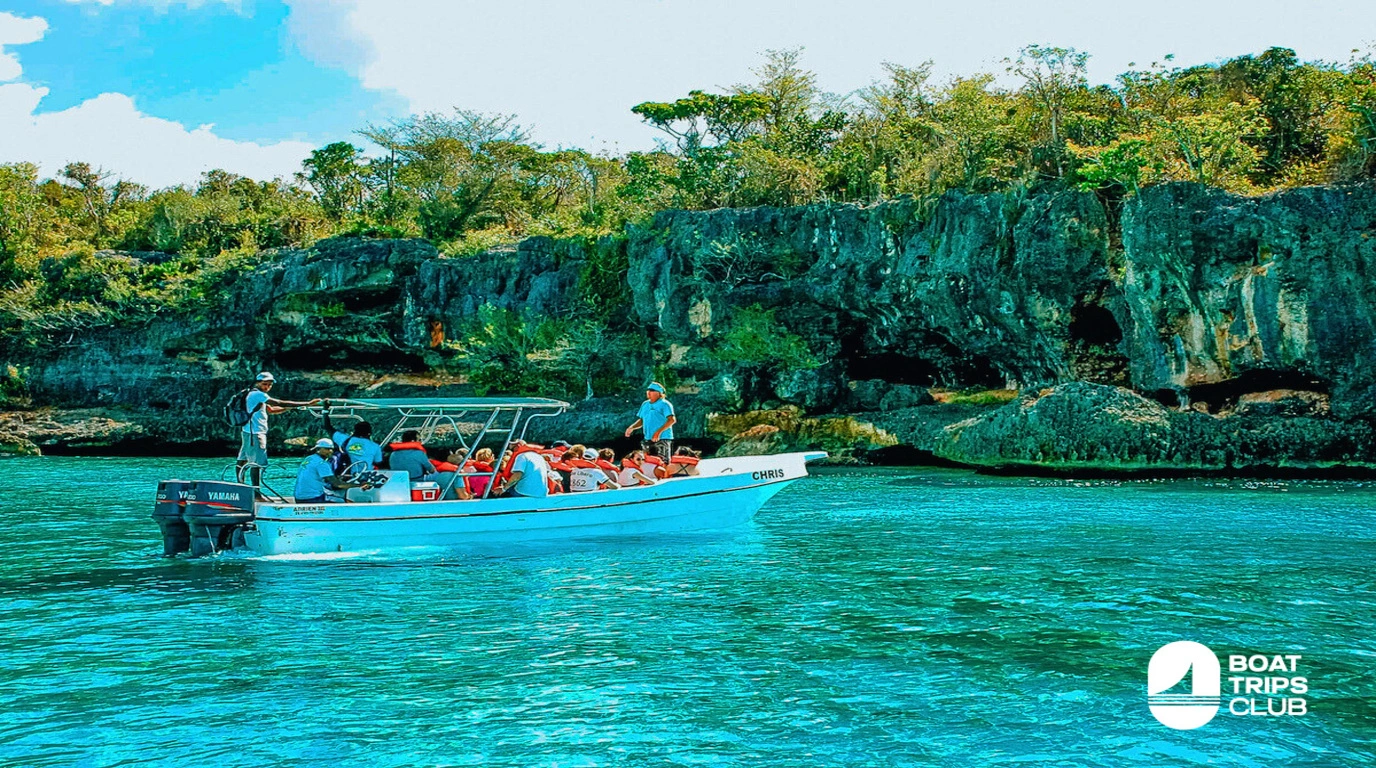
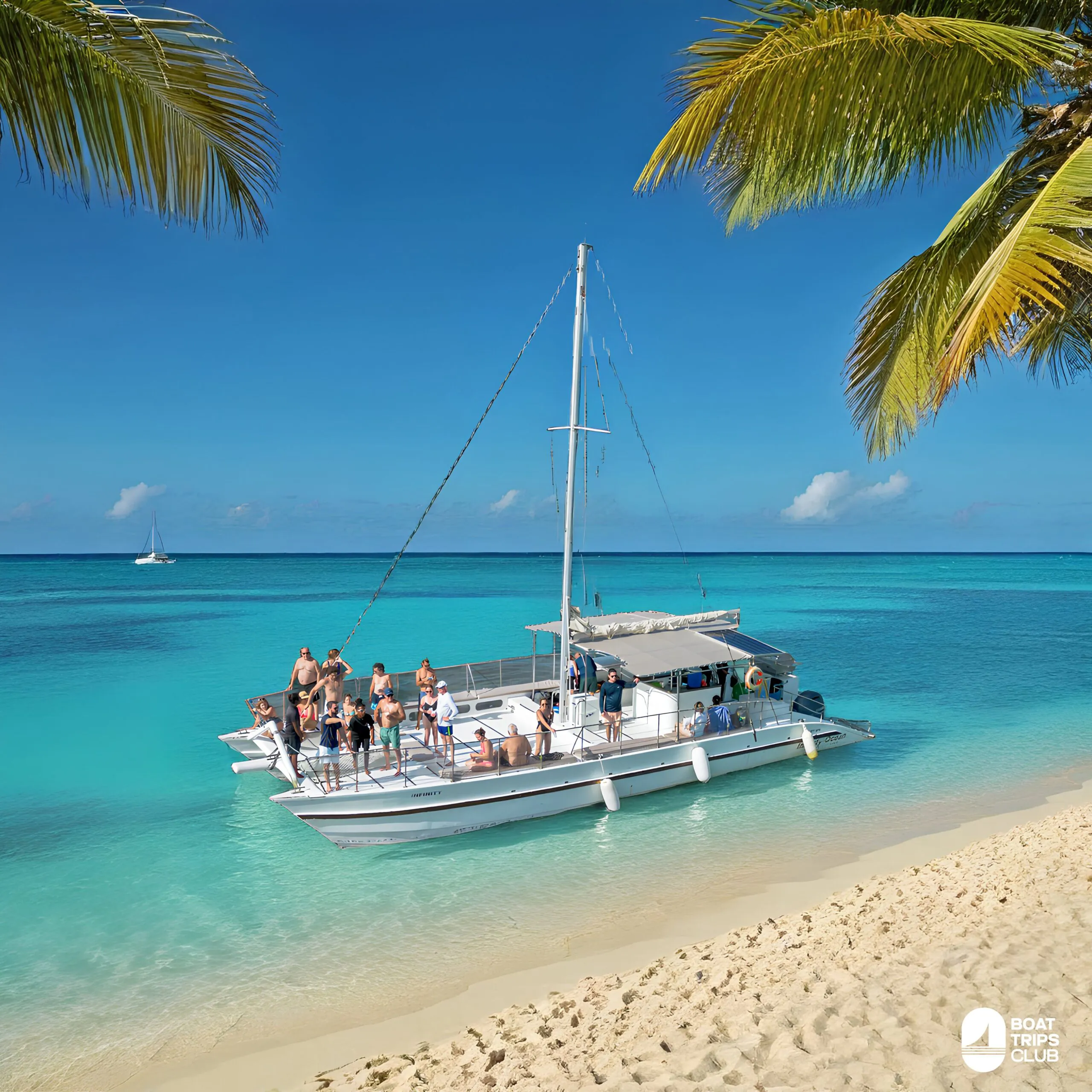
Wading at the beach is nice, but to see the real coral and the vibrant fish, you have to get out to the offshore reefs. Doing that on your own can feel intimidating. But jump on a private catamaran Bavaro tour, and the stress disappears instantly.
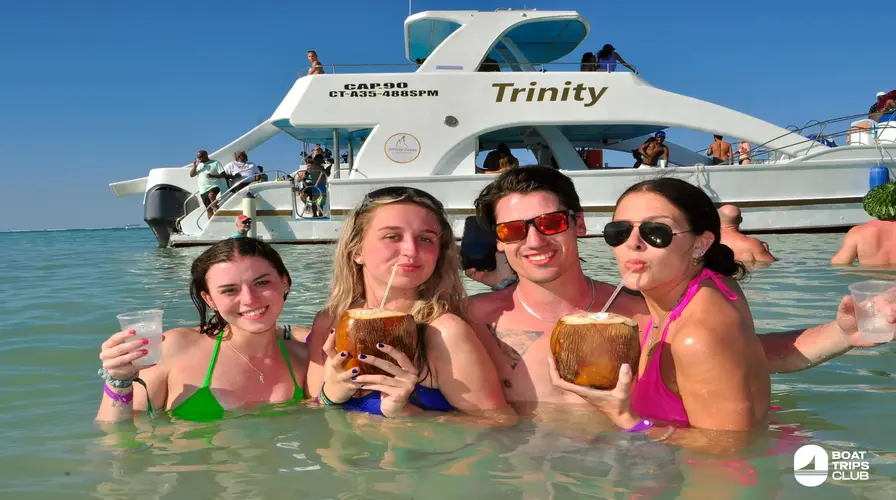
Our local captains know these waters flawlessly. They track the daily currents, they know the tidal shifts, and they know exactly where the best places to snorkel in Punta Cana are hiding on any given afternoon. Plus, there’s massive safety in numbers. A big catamaran full of people playing music and splashing around creates an acoustic footprint that pushes any shy marine life miles away.
Think of the ocean out here as one of the best natural theme parks in Dominican Republic. You wouldn’t wander a massive park without a map. Let the pros drive the boat, find the clearest water, and hand you a mask.
Dominican Republic’s Marine Conservation Efforts
Just because we don’t have dangerous sharks doesn’t mean the Dominican Republic doesn’t care about them. Actually, it’s the exact opposite.
Back in 2017, the government banned shark fishing nationwide. They’ve also carved out huge marine protected areas to let the coral, turtles, and fish recover. When you book a responsible boat tour and practice safe snorkeling, you’re putting money into an economy that values ocean conservation over exploitation.
Real Traveler Experiences: Swimming in Punta Cana
Statistics are great, but hearing from people who felt the exact same way you do is usually better. When people search for Punta Cana things to do outside resort grounds, snorkeling always tops the list, and it almost always ends up being the highlight of their trip.
“I’m terrified of the ocean. I almost didn’t get off the boat. But the crew was so reassuring, and the water was only 10 feet deep. I saw a turtle and hundreds of yellow fish. No drop-offs, no sharks. Best day of the trip.” – Sarah M.
“We wanted to find the best things to do in Punta Cana for couples, so we booked a private yacht. I asked the captain about sharks, and he just laughed and pointed at the reef. He was right. The water was like warm glass. Totally safe.” – David & Elena R.
Frequently Asked Questions (FAQs) About Sharks in Punta Cana
When folks look for free things to do in Punta Cana, swimming at the beach is obviously number one. Naturally, the same questions pop up. Here are the quick answers.
Are there Great White Sharks in the Dominican Republic?
Highly unlikely. Great Whites like cold water and fatty food like seals. The 80-degree tropical water down here offers them absolutely nothing.
Is it safe to swim at night in Punta Cana?
Generally yes, but no one really recommends it. It has nothing to do with sharks. It’s about zero visibility, changing tides, and no lifeguards. Stick to the swim-up bar after dark.
Can you swim with sharks in Punta Cana?
Yes, but you have to specifically pay for it. There are controlled marine park excursions where you can snorkel with docile Nurse Sharks in enclosed spaces. You aren’t going to bump into them at the resort.
Does shark netting exist in Punta Cana?
No. Artificial nets aren’t used here because the massive, natural coral reef does a way better job of protecting the coast than any man-made net could.