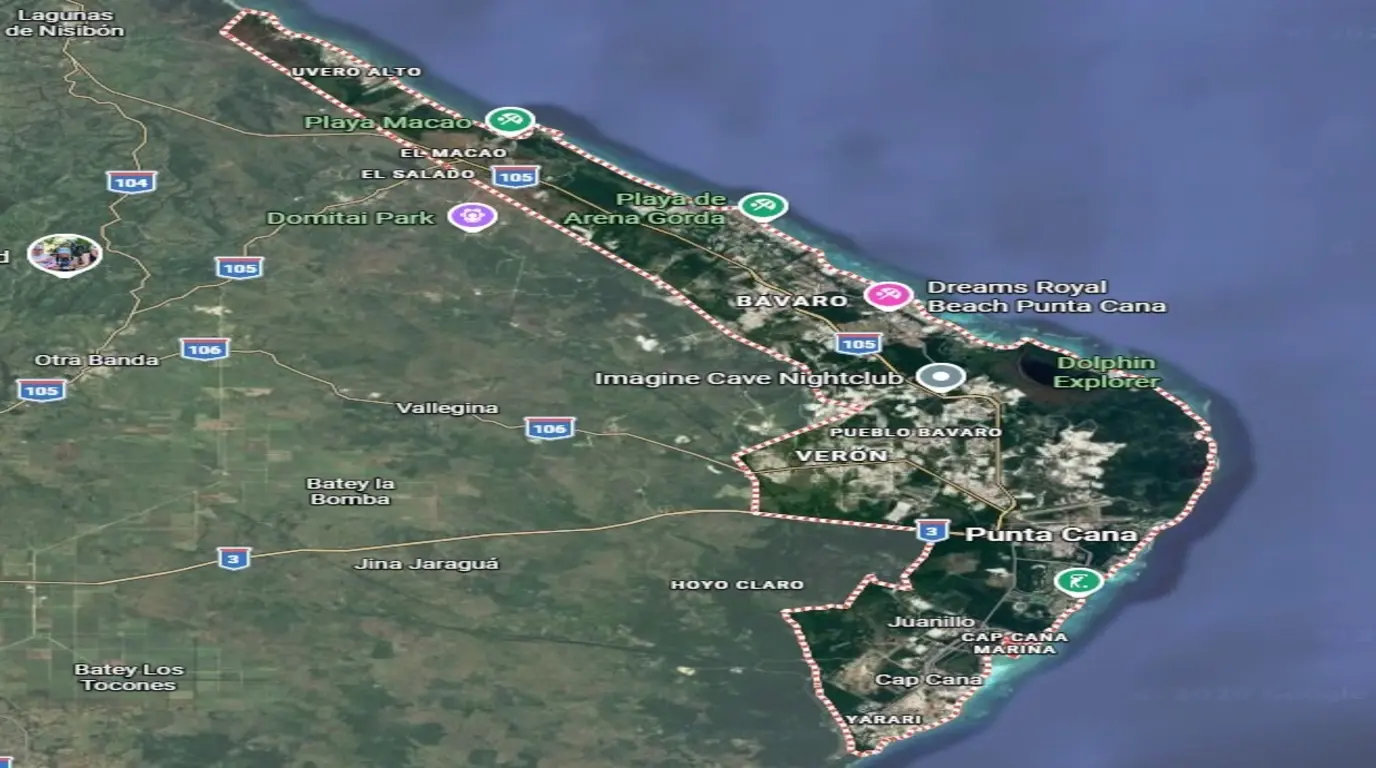
The Punta Cana region is officially divided into 9 highly distinct coastal zones. You’ll find everything from the elite, yacht-filled marinas of Cap Cana down to the heavy party crowds of Bavaro, all the way up to the untouched eco-resorts hidden in Miches. We built this guide specifically for travelers who need to understand exact airport drive times and real-time beach conditions before locking in a 2027 hotel booking.
Why You Need a Resort Map Before Booking in 2027
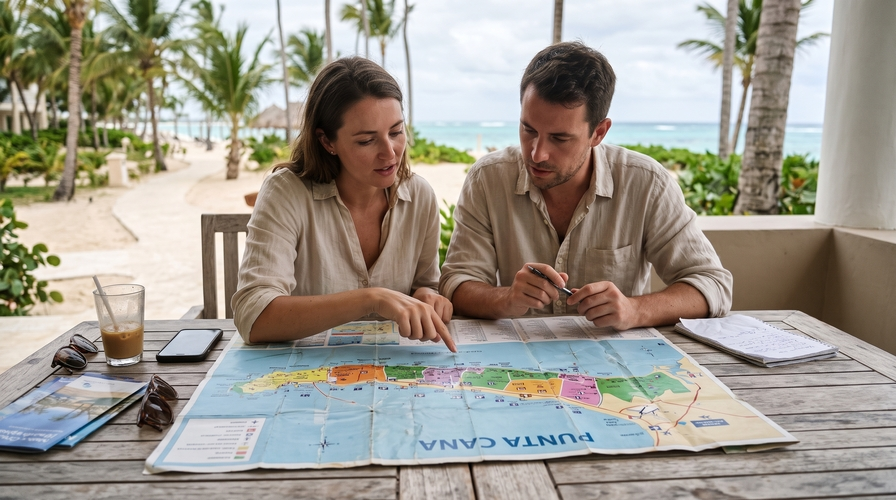
You’re taking a massive gamble if you book a Dominican Republic vacation without looking at a map first. Tourists do it every day. They fall in love with a pool photo online, punch in their credit card, and book the room. The problem? They completely ignore the fact that the “Punta Cana” region actually covers over 30 miles of incredibly diverse coastline.
Your day-to-day experience changes wildly depending on where your property physically sits on that map.
Imagine wanting a dead-flat, wave-free ocean for your toddlers, only to accidentally book a resort up in Macao where the Atlantic surf easily knocks adults off their feet. Or maybe you want to walk out of your hotel lobby right into a busy strip of local nightlife. If you mistakenly book an eco-resort in Miches, you’ll be trapped 75 minutes away from the nearest off-resort bar. Hotels constantly market themselves as being located “in Punta Cana,” when in reality, they sit an hour north in Uvero Alto.
Figuring out the layout of this massive coast is the absolute most important step when you sit down to plan a trip to Punta Cana. We break this massive territory into 9 specific zones. Every single one has its own distinct vibe, varying travel times from Punta Cana International Airport (PUJ), and highly specific ocean currents. Let’s break down exactly what you’ll find on each coastal strip so you can book your room like a local expert.
1. Cap Cana: Ultra-Luxury, Exclusive Marinas & Calm Waters
Cap Cana is a massive, 30,000-acre master-planned gated community sitting right below the airport. It is the absolute pinnacle of wealth, privacy, and exclusivity in the Dominican Republic. If your goal is to escape the packed public beaches and the relentless push of aggressive beach vendors, this is your zone.
Security here doesn’t mess around. You can’t just drive a rental car into Cap Cana for a look around; the guards require a confirmed reservation at a property, a restaurant, or a marina slip before lifting the gate. The result? The beaches stay unbelievably quiet. A massive offshore reef system shields the water inside the bay, keeping the ocean surface dead flat and almost entirely wave-free every month of the year. The infrastructure is world-class, anchored by the famous Punta Espada Golf Course and a sprawling equestrian center. You won’t find budget stays here. The resort roster leans heavily into top-tier luxury. Secrets Cap Cana, Sanctuary Cap Cana, the dual-sided Hyatt Ziva and Zilara, and the hyper-exclusive Eden Roc run this strip. When travelers look for things to do in Cap Cana, they mostly stick to high-end dining, playing 18 holes, and chartering private boats.
Best For: Luxury Yacht Charters & Snorkeling
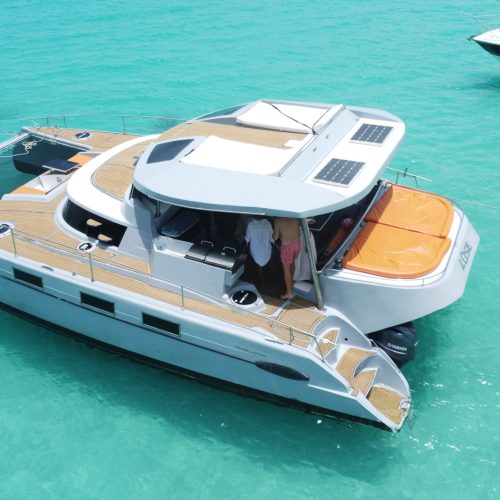
Cap Cana operates the most advanced, high-end marina in the entire country. Because the waters immediately outside the harbor are heavily protected and calm, it serves as the undisputed best staging ground to book luxury yacht charters. You get smooth sailing, total privacy, and direct access to untouched snorkeling reefs without fighting the massive crowds found further north.
2. Punta Cana Village & Puntacana Resort
People confuse this specific area with the broader region all the time. The actual Puntacana Resort & Club—along with the adjacent Punta Cana Village—makes up the original hub where tourism actually started on this island decades ago. Sitting literally right next to the airport runway, this is the most logistically convenient spot on the entire map.
This zone is heavily residential. It’s packed with expats, local business executives, and wealthy foreigners who own long-term vacation villas. The overall vibe is incredibly quiet and understated. You won’t find thumping, 1,000-room mega-resorts here. Instead, the focus stays locked on boutique luxury and old-school Caribbean elegance. The beaches are shallow, perfectly calm, and highly protected from the wind. Leading the pack are iconic properties like Tortuga Bay, The Westin Puntacana Resort, and the legendary Club Med Punta Cana. If your ultimate priority is grabbing your bags at the airport and having a drink in your hand on the sand less than 15 minutes later, you need to check out the 5 star hotels in Punta Cana that operate inside this specific village boundary.
3. Cabeza de Toro: Family Resorts & Nature Hotspots
Head north from the airport, and the coastline suddenly hooks inward. This forms a highly protected bay called Cabeza de Toro. It’s a compact, walkable hotel strip bordered by thick mangrove forests and the sprawling Bavaro Lagoon nature reserve.
Because developers packed the hotels a bit closer together along a smaller stretch of sand, the whole area feels way more manageable than the massive resort cities further up the coast. The water here is dead calm. That makes it a massive favorite for parents traveling with young, unpredictable toddlers. The atmosphere stays laid-back, mixing raw Dominican jungle with modern all-inclusive perks. Standout properties dominating this strip include the newly constructed Serenade Punta Cana, Dreams Flora, and Catalonia Royal Bavaro. A thick barrier reef sits just offshore, trapping abundant marine life inside the bay. That geography easily secures its reputation as one of the best places to snorkel in Punta Cana.
Best For: Calm Lagoons & Family Catamarans
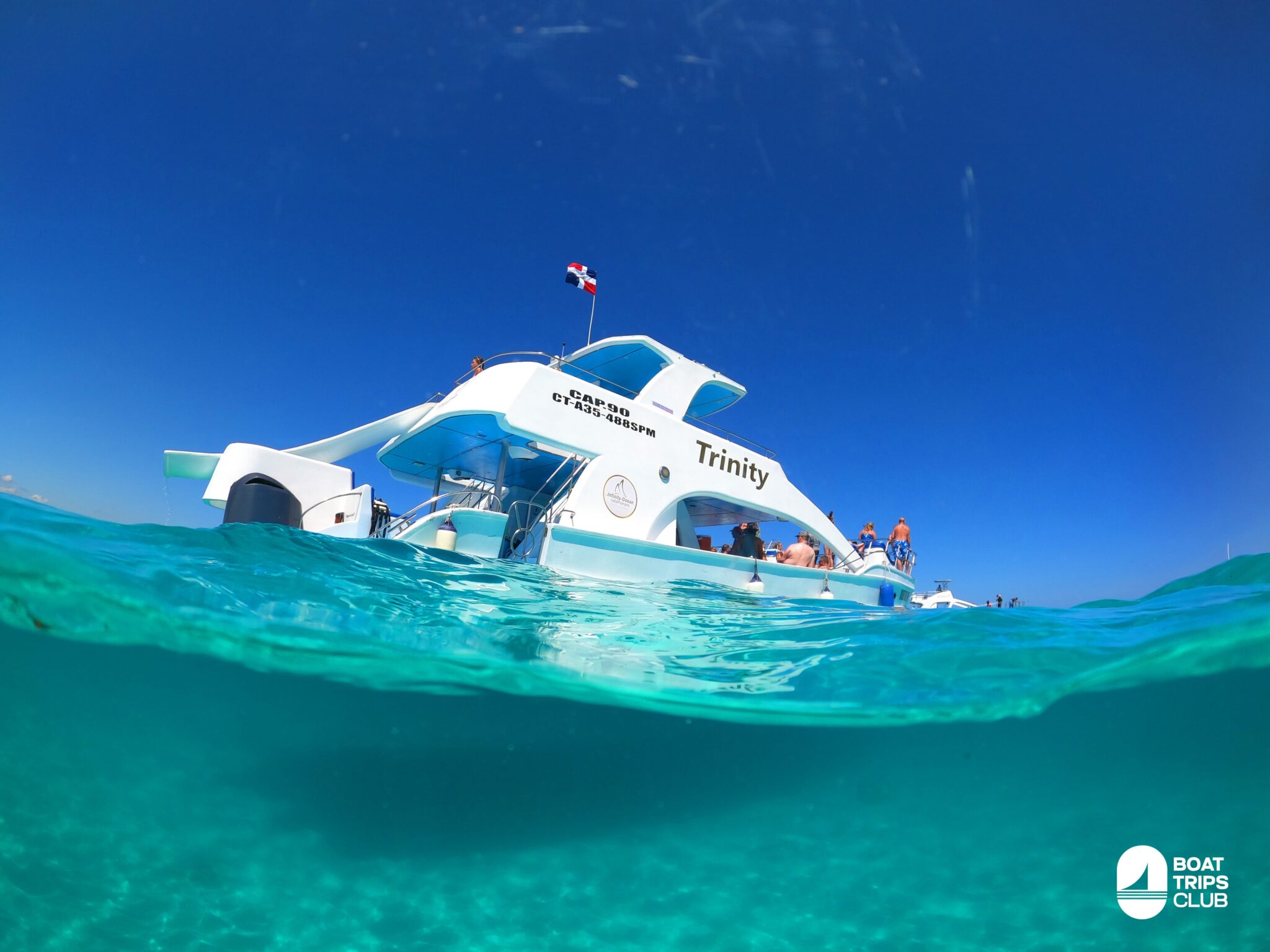
That thick natural reef system entirely blocks Cabeza de Toro from aggressive Atlantic currents. These resulting calm lagoons create the absolute perfect staging ground for safe, flat-water catamaran tours Punta Cana. Families specifically request departures from here because the boats experience almost zero chop. No chop means a smooth ride and zero motion sickness for the kids.
4. Bavaro: The Resort Capital & Party Boat Hub
Bavaro is the roaring engine of Dominican Republic tourism. When people close their eyes and picture “Punta Cana,” they are actually picturing the Bavaro coastline. This is where the music cranks up, the energy spikes, and the beaches stretch out endlessly under towering palm trees.
Bavaro simply does not sleep. The sand constantly buzzes with local vendors, parasailing operators, packed beach clubs, and tourists migrating between properties. If you want a quiet, isolated retreat, do not book a hotel here. But if you want a massive social scene, endless dining, and off-resort nightlife just a quick walk from your lobby, Bavaro remains completely unmatched. The hotel inventory is staggering. You have heavy hitters like Paradisus Palma Real, Secrets Royal Beach, and the massive Barceló Bavaro Palace complex. Because the density is so high, you will literally never run out of things to do in Bavaro. Naturally, that relentless energy makes it the go-to destination for younger crowds hunting for high-energy Punta Cana spring break resorts.
Best For: Party Boats & Excursion Pickups
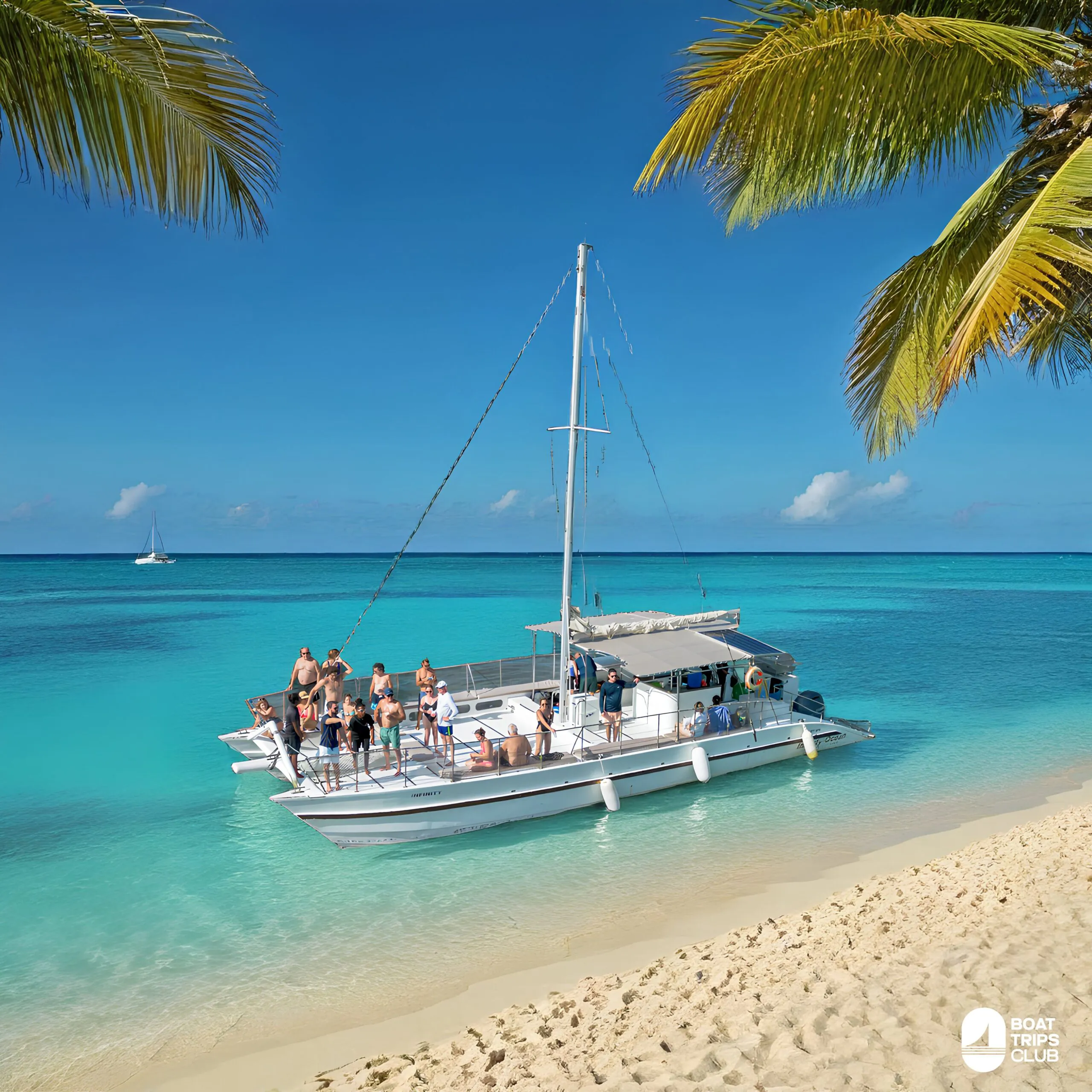
Roughly 90% of all party boats, booze cruises, and parasailing crews launch straight off the Bavaro coast. It is hands down the most convenient zone for excursion pickups. Book a private catamaran Punta Cana Bavaro, and the crew’s tender boat will likely pull right up to the sand in front of your resort to grab your group.
5. Arena Gorda: Wide Beaches & Mega-Resorts
Pushing just north of Bavaro gets you into Arena Gorda. The name literally translates to “Fat Sand,” and it earns that title by boasting the widest, most powdery beaches in the entire region. The sand stretches incredibly far back from the water line, creating the real estate needed to build some truly massive resorts.
Arena Gorda is the undisputed kingdom of the mega-resort. The properties here aren’t just hotels; they are sprawling mini-cities that require a golf cart just to get from your room to the buffet. The ocean here starts transitioning away from the protected reef. That means you’ll deal with more waves and slightly deeper water than down in Bavaro. The sheer scale of the buildings here is staggering. It hosts the colossal Hard Rock Hotel & Casino, the Iberostar Grand Bavaro, and the sprawling Royalton complex. If your group is hunting for high-capacity properties loaded with massive casinos, built-in waterparks, and 15+ restaurants on-site, you’ll find the top resorts in Punta Cana clustered heavily along this wide strip of sand.
6. Macao Beach: Surfing & Secluded Luxury
Macao Beach is a massive outlier. It completely breaks the standard resort mold. Up until very recently, this bay didn’t have a single resort. It operated entirely as a local public beach, famous for its raw, rugged beauty, deep golden sands, and massive ocean cliffs.
Macao faces straight into the Atlantic Ocean without an ounce of protection from a barrier reef. Consequently, this is the only beach in the area that consistently churns out rideable waves. Local surf schools set up shop here every single day. The vibe is a total 180 from Bavaro. Expect to see beachfront fish shacks, local families hanging out, and a truly authentic Dominican atmosphere. To keep that intimate, rugged feel intact, the government highly restricts development. The luxurious Dreams Macao Beach is the only major property dominating the bay. Travelers who want boutique privacy and high-end service often look for small resorts in Punta Cana around this secluded stretch. Beyond surfing, Macao serves as the main playground for off-road dune buggy tours and high-speed jet ski Punta Cana rentals tearing through the open waves.
7. Uvero Alto: Private Escapes & Romantic Retreats
Sitting way up at the far northern edge of the traditional map, Uvero Alto delivers serious isolation. It takes a solid 45 to 50 minutes to drive here from the airport. That distance guarantees the massive crowds of Bavaro never make it this far north.
The sand up in Uvero Alto shifts from bright white to a rich, golden tone. Just like Macao, the reef sits miles offshore, meaning the ocean here plays rough. The water drops off quickly, and the undertow pulls hard. It’s definitely not ideal for toddlers, but it’s fantastic for adults who actually want to swim in crashing waves. Because it’s so remote, the resorts operate as self-contained luxury bubbles. The architects designed them so you literally never have to leave the property. Heavyweight names like Excellence El Carmen, Finest Punta Cana, and the family-centric Nickelodeon Resort dominate this strip. The intense privacy and high-end amenities make exploring the local dining and spa facilities one of the best things to do in Punta Cana for couples.
If you’re celebrating a honeymoon or anniversary up in this secluded zone, do yourself a favor. Book a sunset cruise Punta Cana to cap off your week of private relaxation.
8. Bayahibe & Dominicus: The Caribbean Sea Side
Geographically, the coastal towns of Bayahibe and Dominicus sit about 45 to 50 minutes west of Punta Cana. But technically, they are deeply baked into the Punta Cana tourism machine. Tourists flock to resorts here because the geography offers one massive, unbeatable advantage: it faces the Caribbean Sea, not the Atlantic Ocean.
Because it sits purely on the Caribbean side, the water in Bayahibe is insane. It’s perfectly flat, crystal clear, and a vibrant, glowing turquoise. Even better? This coastline gets virtually zero Atlantic seaweed (sargassum). The hotel strip features massive, high-quality properties like Dreams Dominicus and the Iberostar Selection Hacienda Dominicus. Right down the road, the local fishing village holds onto a heavy European influence, delivering incredible local Italian food and authentic Dominican culture just a short walk past the resort gates.
Best For: Gateway to Saona Island
Bayahibe serves as the official launch point for the most famous excursion in the entire country. Every single boat heading out to the national park departs from the Bayahibe marina. Period. If you stay in this zone, grabbing a Saona Island day trip is completely effortless. You entirely skip the brutal 90-minute bus transfers forced on guests staying way over in Bavaro or Uvero Alto.
9. Miches (Playa Esmeralda): The 2027 Luxury Frontier
Miches is the absolute bleeding edge of Dominican Republic luxury tourism. Sitting a full 75+ minutes north of the Punta Cana airport via a freshly paved highway, Playa Esmeralda remains an untouched, pristine ecological wonder.
The government heavily restricts this zone to protect the environment. You won’t find ugly concrete blocks or crowded public beaches. Instead, rolling green mountains crash straight down into totally empty stretches of palm-fringed sand. Isolation is the entire point. Leading the charge into this new territory is the stunning Club Med Michès Playa Esmeralda. They’ll soon be joined by the brand-new Secrets Playa Esmeralda. If you want raw, unfiltered nature paired with elite modern architecture, this is the future. Finding Dominican Republic beachfront resorts that pull off this level of untouched ecological integration is nearly impossible anywhere else on the map.
Punta Cana Airport Drive Times: How Far is Your Resort?
Figuring out exact transit logistics right now will save you from a massive headache on day one. When you sit down to map out Punta Cana things to do outside resort, you have to factor your hotel’s physical location into your overall travel time.
The data below gives you realistic drive times under standard traffic conditions. To guarantee a smooth arrival, we highly recommend pre-booking private Punta Cana airport transfers so you can walk right past the chaotic taxi lines outside the terminal.
| Resort Zone | Distance from PUJ | Estimated Drive Time | Traffic Factor |
| Cap Cana | 10 km (6 miles) | 15 minutes | Very Light |
| Puntacana Resort | 5 km (3 miles) | 10 minutes | None |
| Cabeza de Toro | 18 km (11 miles) | 20 – 25 minutes | Light |
| Bavaro | 22 km (13 miles) | 25 – 35 minutes | Heavy |
| Arena Gorda | 28 km (17 miles) | 35 – 40 minutes | Moderate |
| Macao Beach | 35 km (21 miles) | 40 – 45 minutes | Light |
| Uvero Alto | 42 km (26 miles) | 45 – 55 minutes | Light |
| Bayahibe / Dominicus | 70 km (43 miles) | 45 – 50 minutes | Highway Speed |
| Miches (Playa Esmeralda) | 100 km (62 miles) | 75 – 90 minutes | Highway Speed |
Punta Cana Beach Conditions & Sargassum (Seaweed) Reality
Let’s be real. You cannot talk about Caribbean beaches without talking about Sargassum seaweed. Warming ocean temperatures and shifting Atlantic currents push massive blooms of brown seaweed ashore across the entire Caribbean.
The harsh truth is that geographic positioning dictates everything. Bavaro and Arena Gorda face straight into the incoming Atlantic currents. That means they take the absolute heaviest hits during the summer seaweed season. Mega-resorts send out fleets of tractors every single morning to scrape the sand clean, but the water itself can still get murky. If pristine, crystal-clear swimming water is an absolute dealbreaker for your trip, you need to change your target zone.
The beaches down in Cap Cana and Puntacana Resort hide behind protective coastal hooks that naturally deflect the currents, keeping them largely clear. Up north, Uvero Alto and Macao Beach deal with currents strong enough to simply wash the seaweed out quickly. But the ultimate cheat code? Bayahibe and Dominicus. Because they face the Caribbean Sea, they see zero Atlantic Sargassum. Before finalizing your Punta Cana packing list, do your homework. Check the live regional reports via the Dominican Republic official coastal guidelines to set realistic expectations for the exact week you plan to travel.
New Resorts Opening in 2026-2027
The development boom across the Dominican Republic simply refuses to slow down. As we push deep into 2026 and look toward 2027, developers are pivoting away from massive budget properties. Instead, they are doubling down on ultra-luxury brand expansions.
Cap Cana continues to expand its elite footprint with the highly anticipated launch of the St. Regis Cap Cana, dropping legendary butler service right into the marina district. Just up the coast in the Uvero Alto sector, the W Punta Cana is bringing its signature disruptive, adult-focused luxury to a heavily secluded beachfront. Meanwhile, Hilton’s luxury portfolio is making waves with the development of the Conrad Punta Cana. They designed it specifically to offer high-end architectural elegance slightly removed from the crushing tourist traffic of Bavaro.
Frequently Asked Questions (FAQs)
Which Punta Cana zone has the best beaches for swimming?
Cap Cana, Cabeza de Toro, and Bayahibe hands down offer the best beaches for swimming. These specific zones feature shallow, incredibly calm waters shielded by natural reef systems. That makes them exceptionally safe and wave-free for casual swimmers and young children.
How long is the drive from Punta Cana Airport to Bavaro?
The drive from Punta Cana International Airport (PUJ) directly to the center of Bavaro takes about 25 to 35 minutes. Transit times fluctuate slightly depending on rush hour traffic trying to squeeze through the downtown Friusa intersection.
Where do the boat trips and catamarans depart from in Punta Cana?
The vast majority of standard party boats and catamarans launch straight off the beach in Bavaro (specifically around the Bibijagua area). However, high-end luxury yachts deploy exclusively out of the Cap Cana Marina, and every single Saona Island excursion launches from the Bayahibe marina.
Which zone is best for couples vs. families?
Couples hunting for romance and isolation should absolutely book resorts in Uvero Alto or Cap Cana to get maximum privacy and luxury. Families with young, energetic children are way better off in Cabeza de Toro or Arena Gorda, where the ocean is calm and the resorts feature massive built-in waterparks.
