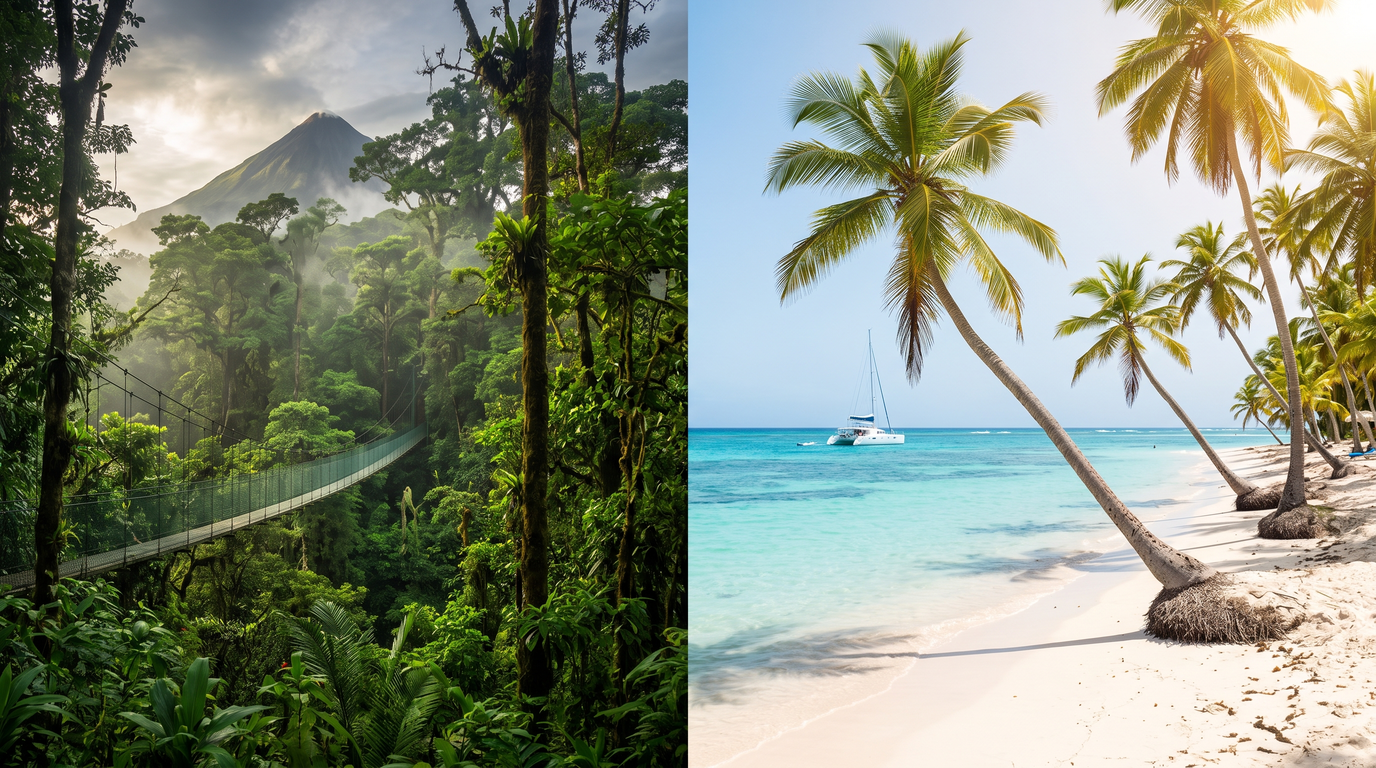
Choosing between Costa Rica and Punta Cana comes down to a single question: Do you want to work for your vacation, or do you want your vacation to work for you? Costa Rica is the undisputed champion of eco-adventure. It requires hiking boots, bug spray, and a willingness to navigate rugged rainforests to spot incredible wildlife. Punta Cana stands as the ultimate capital of Caribbean relaxation. It offers frictionless luxury, massive all-inclusive resorts, and flawlessly calm white-sand beaches. If you want to sweat while trekking up a volcano, book Costa Rica. If you want to drink an ice-cold Presidente beer on the deck of a private boat, Punta Cana wins every time.
Trying to decide between a trip to Central America or the Caribbean? You aren’t alone. Every year, millions of travelers stare at their screens, weighing the pros and cons of these two tropical heavyweights.
Both guarantee warm weather. Both offer an escape from your daily office grind. But make no mistake. The actual, on-the-ground experience in these two locations could not be more radically different.
Costa Rica demands action. It rewards travelers who don’t mind getting mud on their ankles to see a sloth sleeping in the wild canopy.
Punta Cana specializes in zero-stress luxury. It hands you a rum cocktail the moment you clear customs and invites you to spend an entire week floating on the Caribbean Sea. We see this debate constantly in the travel industry. So, let’s break down exactly how these destinations compare across beaches, weather, safety, and budget. By the end of this guide, you’ll know exactly where to book your 2026 getaway.
Costa Rica vs. Punta Cana at a Glance (Quick Snapshot)
Need the bottom line before we get into the heavy details? Here is exactly how the two tropical giants stack up across the major vacation categories based on our on-the-ground data.
| Vacation Category | The Winner | Why They Win |
| Best Beaches | Punta Cana | Brilliant, powdery white sugar sand. Calm, highly swimmable Caribbean waters protected by barrier reefs. |
| Best Wildlife | Costa Rica | Absolute unmatched biodiversity. You will see monkeys, sloths, and toucans in their natural, uncurated habitats. |
| Most Affordable | Punta Cana | The massive scale of competing all-inclusive packages easily locks in your food, drink, and room costs upfront. |
| Best Nightlife | Punta Cana | Massive resort entertainment setups and globally recognized late-night clubs like Coco Bongo keep the party going until 3 AM. |
| Best Water Excursions | Punta Cana | Flawless, flat-water conditions make it the undisputed king for private catamarans, party boats, and island hopping. |
Location & Flights: Getting There
Your flight path dictates your actual vacation time. Think about it. Do you really want to spend your first day sitting in a hot rental car? Probably not.
Accessibility is where Punta Cana wins the logistics game without breaking a sweat. You can fly directly into Punta Cana International Airport (PUJ) from almost every major hub in the United States, Canada, and Western Europe.
Because the airport sits directly on the eastern tip of the Dominican Republic, the transit time is incredibly short. You can grab your bags, hop in a pre-arranged shuttle, and walk right into your resort lobby in under thirty minutes. This speed makes Punta Cana a highly viable option for a quick, high-impact four-day weekend getaway.
Costa Rica forces you to earn your arrival. You’ll likely land in San José (SJO) or Liberia (LIR). From there, reaching the prime coastal beach towns or deep rainforest lodges involves a serious drive.
Expect three to four hours grinding up winding, often unpaved mountainous roads. It certainly adds to the adventure, but it eats up a massive portion of your travel days. A four-day trip to Costa Rica simply doesn’t work. You need a full week just to justify the transit time.
Weather Comparison: When is the Best Time to Go?
Weather patterns in these two regions dictate what you pack and what you can actually do outdoors.
Costa Rica operates on a very strict, unforgiving wet and dry season. The dry season runs from mid-December through April. Outside of those months? Expect heavy, daily downpours during the notorious “Green Season.”
While the rain keeps the jungle looking lush and vibrant, it completely changes the logistics of your trip. Mudslides can wash out dirt roads overnight. Heavy rain routinely cancels outdoor ziplining or hiking excursions.
Punta Cana offers a much more forgiving, year-round tropical climate. You get consistent sunshine and temperatures hovering in the mid-80s (Fahrenheit) regardless of the month you book.
While the Caribbean absolutely has a hurricane season (running June through November), direct, vacation-ruining hits are statistically rare. The typical “bad weather” day in the Dominican Republic generally consists of a quick, heavy 20-minute afternoon shower that clears up immediately, leaving a perfect sky for your evening sunset cruise. For guaranteed beach weather, Punta Cana remains the vastly safer bet.
Landscape & Vibe Comparison
Stand on a balcony in Costa Rica, and you look out over a dense, aggressive emerald-green canopy. The terrain here is intensely rugged.
You get active volcanoes venting steam into the sky. You get massive waterfalls crashing into rocky, dangerous basins. You get steep coastal cliffs dropping off into the roaring Pacific Ocean. The vibe? Adventurous, exhausting, and deeply connected to raw nature.
Punta Cana delivers the absolute iconic, postcard-perfect Caribbean aesthetic. The topography is completely flat.
Instead of volcanoes, the landscape is dominated by millions of towering palm trees swaying gently over miles of uninterrupted coastline. The water glows a surreal, filter-like shade of turquoise that simply doesn’t exist on the Pacific side of Central America. The vibe here is entirely horizontal. It’s about dropping your bags, slowing your heart rate, enjoying the salty ocean breeze, and letting the resort staff handle every single detail.
Accommodation Styles: Eco-Lodges vs. All-Inclusive Resorts
Where you sleep defines the rhythm of your entire trip.
Costa Rica pioneered the boutique eco-lodge movement. You will find incredible off-grid cabins, luxury canvas tents pitched eighty feet high in the rainforest canopy, and small, gritty surf hostels right on the beach.
These properties prioritize sustainability. They integrate heavily into the surrounding jungle. The downside? You usually have to leave the property to find dinner. You have to hunt down a local tour guide. You might even find a massive spider hanging out in your open-air shower.
Punta Cana dominates the global all-inclusive market. The Dominican Republic’s eastern coast is lined heel-to-toe with sprawling mega-resorts.
These properties are explicitly designed to fulfill your every need without you ever needing to pull out a credit card. Expect massive free-form swimming pools, rowdy swim-up bars, twelve different on-site specialty restaurants, twenty-four-hour room service, and dedicated butler staffs. It is a completely hassle-free approach. You don’t think. You just relax.
Top Activities & Adventures: What to Do?
Once you finally unpack your bags, how do you actually spend your days? The activities on offer highlight the stark contrast between these two destinations. Let’s look at the top things to do in Punta Cana versus the main draws of Central America.
Jungle & Wildlife Adventures in Costa Rica
Costa Rica acts as a massive, muddy outdoor playground. Days start brutally early here.
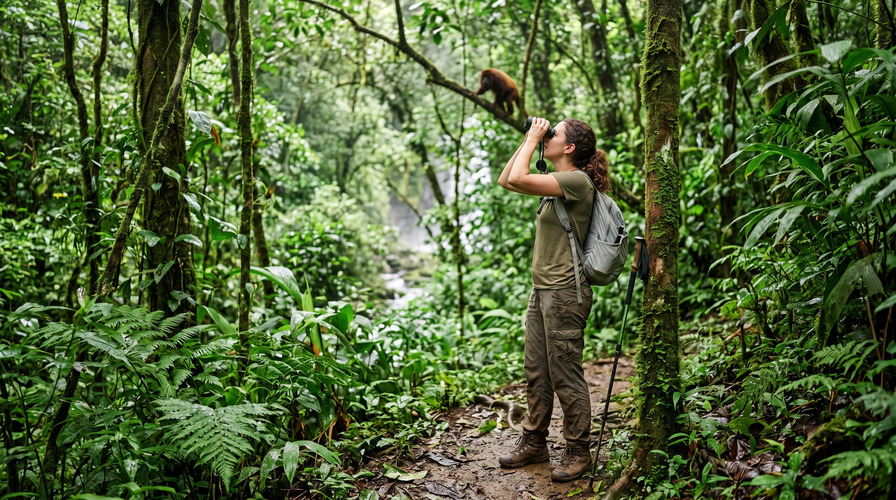
You might wake up at 5:30 AM to catch a guided bird-watching hike before the heat sets in. You might spend the afternoon flying face-first across a mile-long zipline over the Monteverde cloud forest. You might end the day soaking your sore muscles in volcanic hot springs near Arenal.
Trekking through Costa Rica’s protected national parks and biological reserves guarantees incredibly close encounters with howler monkeys, three-toed sloths, and vibrant poison dart frogs. It is an active, sweat-inducing, highly physical itinerary.
Marine Excursions & Boat Trips in Punta Cana
The Caribbean Sea serves as Punta Cana’s main playground. Forget the heavy hiking boots. Your primary footwear here will be water shoes, flip-flops, or bare feet planted firmly on a wet fiberglass deck.
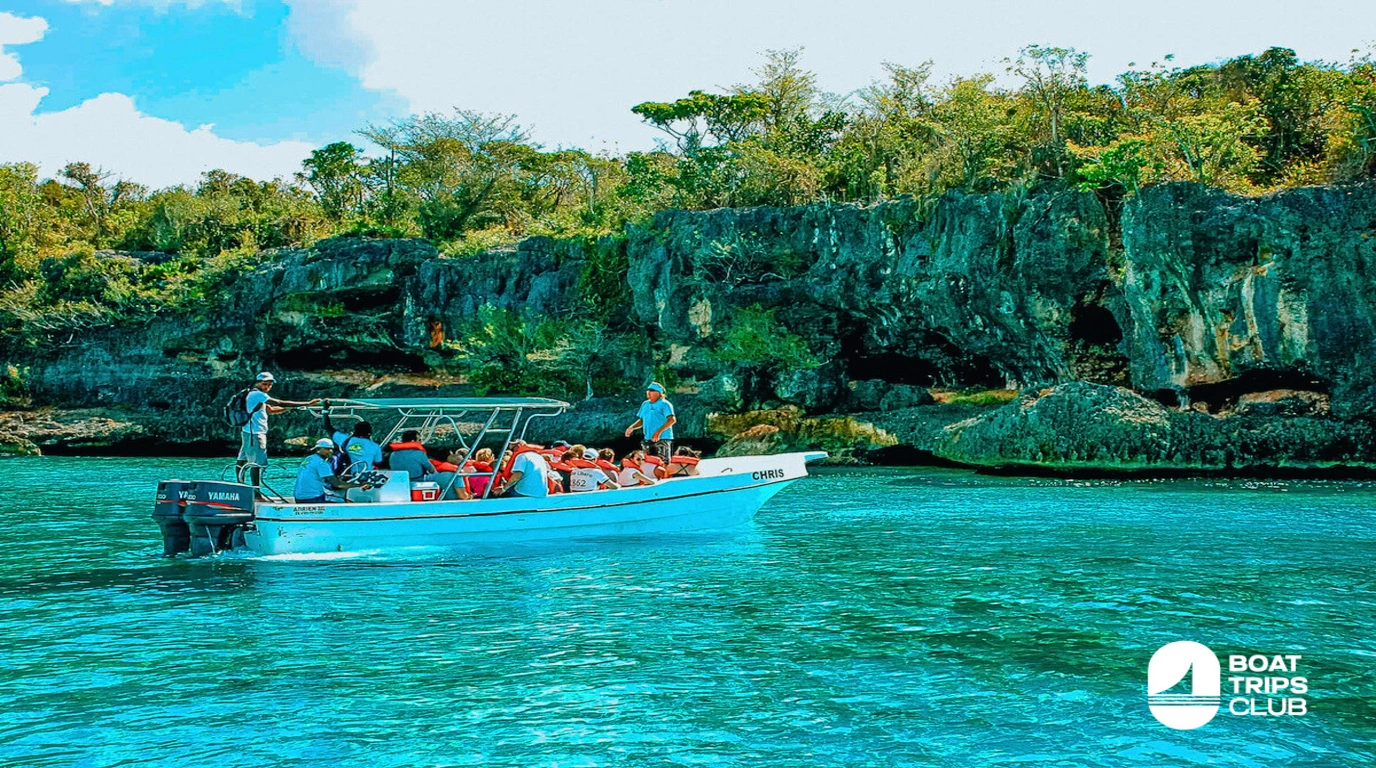
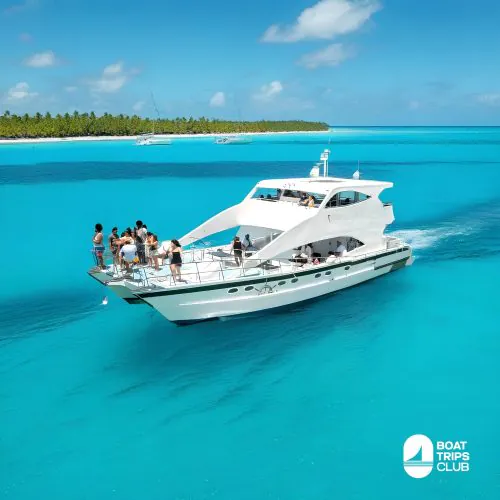
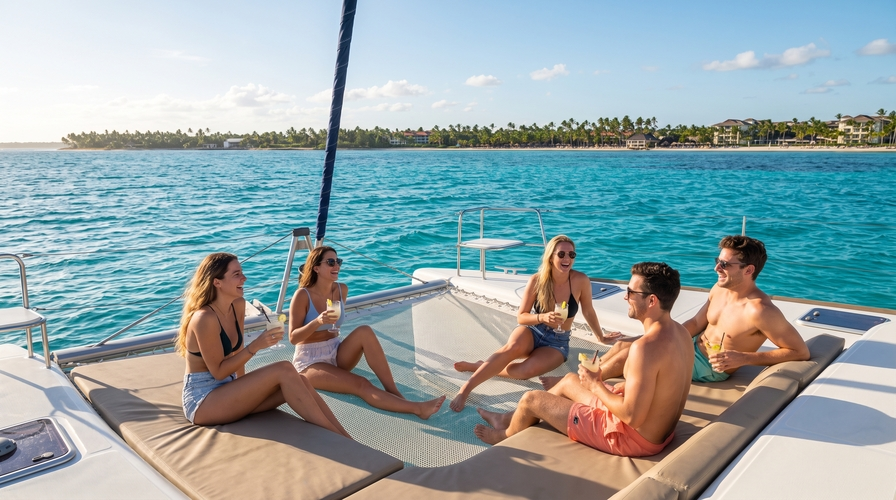
The absolute pinnacle of any Dominican vacation is getting out on the water. Securing private catamaran charters in Punta Cana lets your group escape the resort crowds, cruise the stunning coastline, drink premium rum from an open bar, and drop anchor at waist-deep natural sandbars.
For travelers wanting a true, unfiltered Caribbean escape, a full-day private excursion to Saona Island is strictly non-negotiable. You speed out across the waves to a highly protected nature reserve featuring untouched, palm-fringed beaches and starfish-filled shallows.
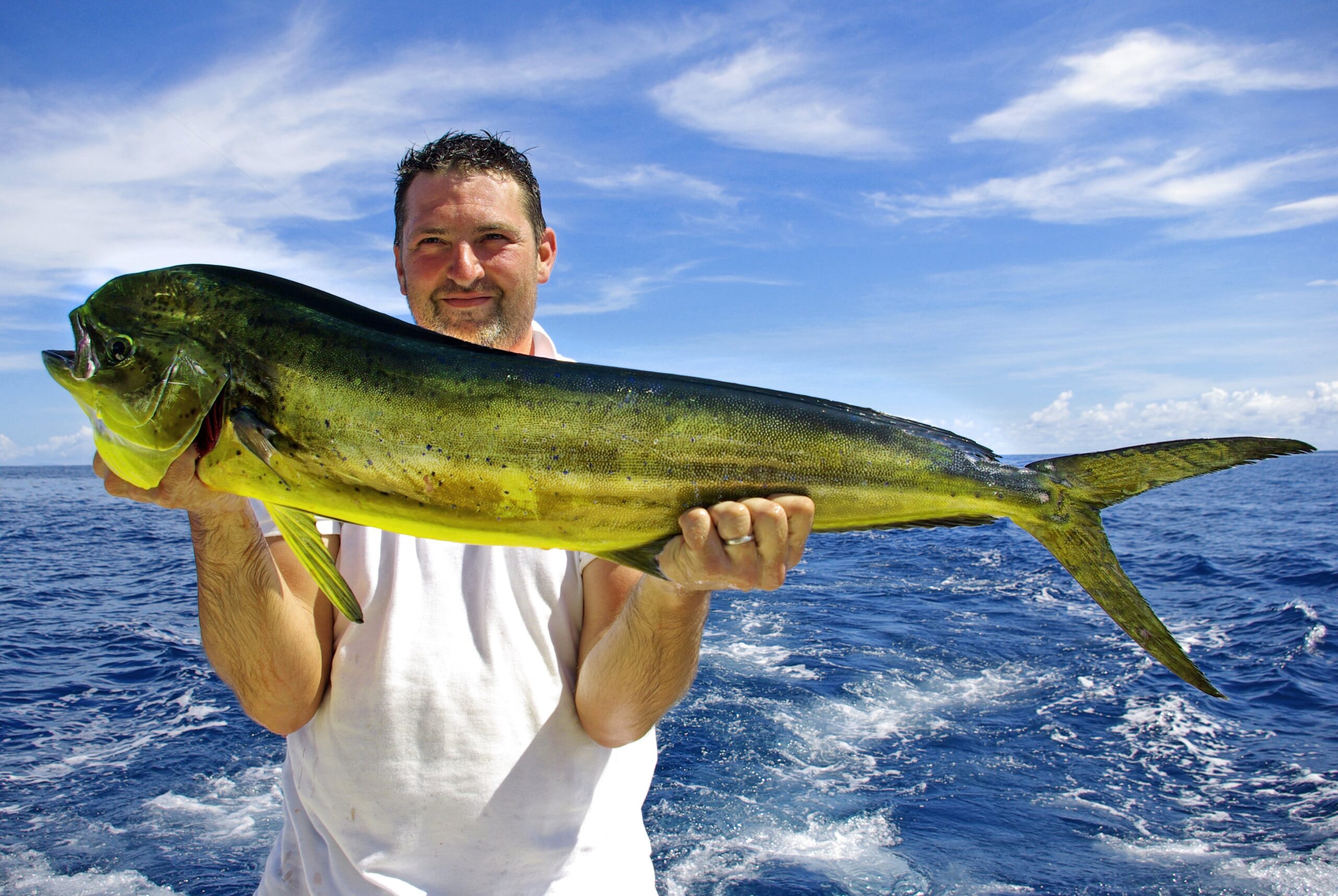
Prefer something with a bit more adrenaline? The offshore underwater drops here are legendary. Booking deep-sea sportfishing charters puts you face-to-face with massive marlin, aggressive mahi-mahi, and wahoo just a few miles off the sandy coast.
Beaches Comparison: Pacific Coast vs. The Caribbean Sea
If you are booking a flight specifically to sit on the sand, pay very close attention to this section.
Costa Rica’s most famous, highly photographed beaches sit on the Pacific side. The sand is often dark. Sometimes it is volcanic black. Sometimes it is a coarse, heavy tan. The water is a deep, murky blue. It is powerful, churning constantly with heavy, dangerous surf. It looks incredibly wild and untamed.
Punta Cana’s coastline fronts the Caribbean Sea (and the Atlantic Ocean just slightly to the north).
The sand in main hotel zones like Bávaro Beach is famously blinding white. It feels exactly like powdered sugar under your toes. Because an incredibly extensive barrier reef protects much of this coastline, the water rolling onto the beach is completely flat. It is remarkably clear, devoid of seaweed in the prime months, and warm enough to wade in for hours without shivering. For pure lounging and casual swimming, Punta Cana’s beaches are vastly superior.
Surfing vs. Snorkeling & Scuba Diving
Costa Rica wins the surfing category without putting up a fight.
Coastal towns like Tamarindo, Jacó, and Santa Teresa draw professional and hardcore amateur surfers from around the globe. The Pacific swells push in consistent, massive waves year-round. It is an absolute surfer’s paradise. However, the resulting riptides and heavy undercurrents make casual family swimming a highly hazardous activity.
Punta Cana claims the undisputed victory for underwater exploration.
The calm, reef-protected waters create near-perfect visibility for snorkeling and beginner scuba diving. You can float directly off the back of a catamaran and immediately find yourself surrounded by colorful coral formations, gliding stingrays, and massive schools of tropical fish. The total lack of heavy ocean currents makes it a highly accessible, safe environment for marine enthusiasts of all skill levels.
Nightlife & Entertainment: After Dark Vibes
Costa Rica generally shuts down early.
Because the core activities revolve around early-morning nature hikes and intense outdoor sports, most tourists are dead tired and asleep by 9:00 PM. You’ll definitely find a few laid-back, sandy beach bars serving local Imperial beer, but you won’t find thumping nightclubs or massive stage productions hidden in the jungle.
Punta Cana comes aggressively alive after dark.
The massive resorts put on high-production evening shows ranging from acrobatic circus performances to intense beachside fire dancing. If you actually want to leave the resort bubble, the off-site nightlife is legendary. Venues like Coco Bongo offer an intense, sensory-overload, Las Vegas-style party experience. You can even find massive clubs built entirely inside underground limestone caverns (like Imagine Cave) that provide a completely unforgettable backdrop for a night out.
Food & Cuisine: Local Flavors
Costa Rican food is hearty, simple, and entirely fuel-focused.
The national dish is gallo pinto—a heavy mix of rice and beans cooked with mild spices. Locals usually serve it for breakfast alongside scrambled eggs and fried plantains. Lunch is almost always a casado, a massive plate featuring more rice, more beans, a side salad, and a protein like grilled chicken or local fish. It’s absolutely delicious, but the culinary scene isn’t the primary reason people buy plane tickets.
Dominican cuisine hits much harder on the flavor scale, drawing heavily from Spanish, African, and indigenous Taino influences.
You’ll eat mangú (savory mashed green plantains) topped with bright pink pickled red onions. The coastal location means fresh Caribbean seafood—especially whole fried red snapper—is abundant, cheap, and heavily seasoned. Furthermore, because Punta Cana operates as an international mega-resort hub, you also have immediate access to high-end steakhouses, incredible Italian spots, and authentic Japanese sushi right inside your hotel lobby.
Cost & Budget Comparison
Budgeting for a Costa Rican adventure can get incredibly tricky.
It is widely considered the absolute most expensive country in Central America. You usually end up paying for everything a la carte. Rental cars are notoriously pricey due to required local insurance. Every single national park requires an entrance fee. Zipline tours and guided wildlife hikes add up fast. A “mid-range” trip can easily balloon into luxury pricing once you factor in all the necessary logistics, gas, and individual meals.
Punta Cana is heavily optimized for strict budget control.
Because the all-inclusive model completely dominates the landscape, you pay one flat rate upfront before you even leave home. That single credit card transaction covers your room, unlimited food, top-shelf alcohol, local taxes, and non-motorized water sports on the beach. You can easily fly down with exactly two hundred dollars in cash for tipping the bartenders and never need to swipe your card again. The sheer volume of competing resorts means you can routinely find spectacular five-star deals during the shoulder seasons.
Transportation & Safety for Tourists
Safety is a massive priority for any traveler heading south.
Punta Cana operates in a highly controlled, curated environment. The major resorts are heavily secured “bubbles” complete with dedicated tourist police and gated entries. You simply do not need to rent a car here. You book a verified airport transfer, arrive at your hotel safely, and use highly vetted excursion operators who pick you up right from the main lobby. The risk of violent crime against tourists inside these zones is incredibly low.
Costa Rica demands sharp independent navigation.
Renting a heavy-duty 4×4 SUV is almost mandatory if you actually want to reach the best waterfalls and remote surfing beaches. You will be driving on unpaved roads, navigating tricky river crossings, and dealing with intense weather shifts. While violent crime isn’t rampant, petty theft is a very known issue. Someone smashing a rental car window at a secluded beach to grab an unattended backpack happens frequently. It requires constant vigilance.
Which Destination is Best For Your Group?
Still sitting on the fence? Let’s narrow this down based on exactly who you are traveling with this year.
For Couples & Honeymooners
If you and your partner desperately want to spend your honeymoon trekking through muddy jungle trails and white-water rafting, Costa Rica is your spot. But if you are totally exhausted from months of wedding planning and just want a chilled bottle of champagne waiting in a swim-up suite, head to the Dominican Republic. Booking romantic excursions for couples in Punta Cana guarantees gorgeous sunset views, private beach dinners, and ultimate privacy without any logistical arguments.
For Families with Kids
Navigating steep, slippery jungle terrain with a toddler complaining about bug bites is tough. Costa Rica is amazing for active teenagers, but much harder for small children. Punta Cana excels at seamless family travel. The beaches have zero undertow, making them perfect for toddlers splashing in the shallows. Nearly every major resort features massive on-site waterparks and dedicated, supervised kids’ clubs. Finding safe, family-friendly activities in Punta Cana doesn’t require a travel agent. You just walk up to the concierge desk.
For Solo Travelers & Backpackers
Costa Rica possesses a deeply entrenched, highly active backpacker and hostel culture. If you are flying solo, you will easily meet other surfers, digital nomads, and young travelers hanging out in coastal towns like Santa Teresa. Punta Cana is heavily catered toward couples, families, and large wedding groups. Solo travelers might feel a bit out of place sitting at a mega-resort surrounded exclusively by honeymooners.
Final Verdict: Costa Rica or Punta Cana?
Both destinations absolutely deliver unforgettable trips. However, they serve two entirely different types of travelers.
Costa Rica is a gritty, action-packed, wildlife-dense eco-adventure. It requires massive energy, heavy independent planning, and a very healthy budget for individual excursions.
Punta Cana acts as the ultimate relaxation engine. It provides guaranteed luxury, flawless Caribbean beaches, and completely transparent pricing in a highly secure, easy-to-navigate environment.
If your idea of a perfect vacation involves completely turning your brain off, feeling warm sand between your toes, and spending glorious afternoons cruising the coastline with a drink in your hand, Punta Cana is the undisputed winner. Ready to finally get out on the water? Book a private catamaran charter with Boat Trips Punta Cana today and experience the Caribbean Sea the exact way it was meant to be seen.
Frequently Asked Questions (FAQs)
Is Punta Cana cheaper than Costa Rica?
Yes. Punta Cana is significantly cheaper for the average tourist. The total dominance of all-inclusive resorts allows travelers to lock in their lodging, food, and alcohol costs entirely upfront. Costa Rica forces you into expensive a-la-carte spending for restaurant meals, required rental cars, and mandatory park entry fees.
Which destination has better beaches?
Punta Cana easily has better beaches for swimming, wading, and relaxing. The Dominican Republic’s eastern coast features incredibly soft, white sugar sand and perfectly calm turquoise waters protected by offshore reefs. This contrasts sharply with Costa Rica’s darker, rougher, and highly turbulent Pacific surf beaches.
Where is the best snorkeling between the two?
Punta Cana offers vastly superior snorkeling conditions. The massive barrier reefs surrounding Bávaro Beach and offshore islands like Saona provide perfectly calm, highly visible waters teeming with tropical fish and coral. Costa Rica’s Pacific side is generally way too rough and churned up for clear, enjoyable underwater visibility.